Physicists at the Indian Institute of Science (IISc) have discovered that pure mathematical formulae developed by Srinivasa Ramanujan over a century ago for calculating the value of pi are fundamentally connected to modern high-energy physics.

Science

Pune

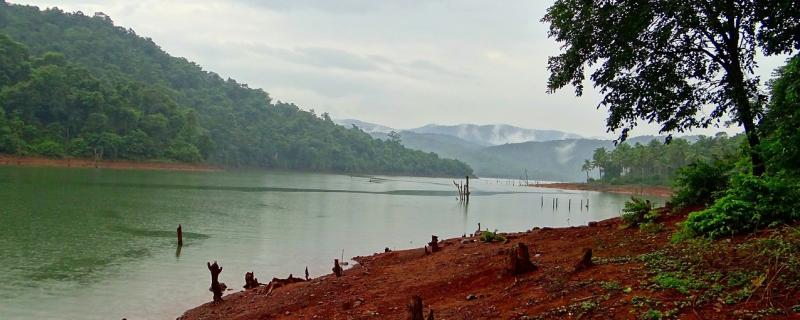
Researchers from Agharkar Research Institute, Pune, Savitribai Phule Pune University, MES College of Arts, Commerce and Science, Bengaluru and the Centre for medicinal Plants Research, Kerala have described a new species of pipewort from the Western Ghats. They have named the new species Eriocaulon karaavalense, after the Kannada work karaavali (ಕರಾವಳಿ), which translates to ‘the coast’.

Bengaluru

Researchers from China, USA and UK, shed light on the formation and evolution of the Asia-Africa-Australia monsoon and arid regions. They also looked at the factors that controlled them during the Cenozoic Era.

Kanpur

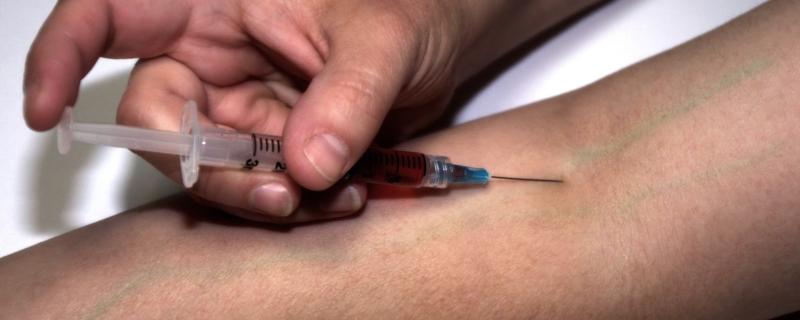
Indian Institute of Technology Kanpur try to understand the physics behind how a mosquito punctures the skin without causing pain. They found that low-frequency vibrations, along the axis of the needle, considerably reduces the resistance to piercing, thus reducing the pain. 


Chennai

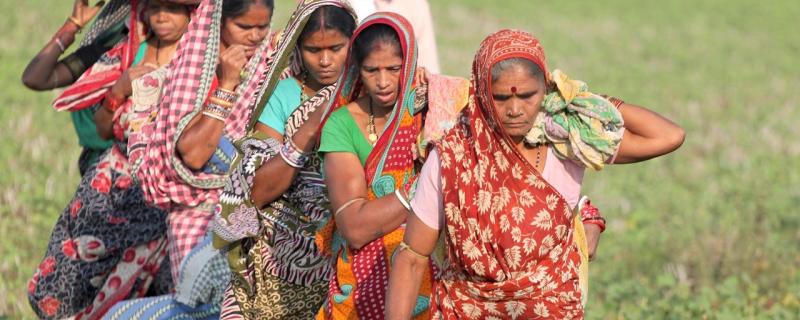
Researchers from the University of East Anglia, UK, and the M S Swaminathan Research Foundation (MSSRF), Chennai, India, have explored how women’s work in agriculture affects nutritional outcomes for the family. The study found that although agricultural outputs have increased with women working in the farms, it has left them with little time to cater to the nutritional needs of their families and themselves, resulting in malnutrition.

Indore

Study shows that more than half of river catchments are struggling to get back in shape due to human activities and climate change.

Bengaluru

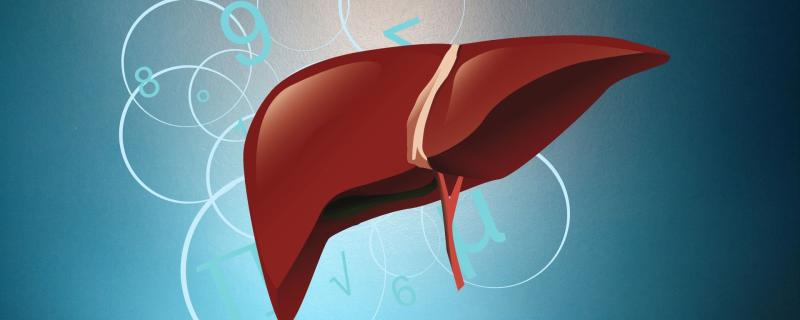
Researchers from the IISc, Bengaluru, propose a mathematical model that can determine the number of mutations the hepatitis C virus can carry in an infected individual, even before starting any treatment.

Mumbai

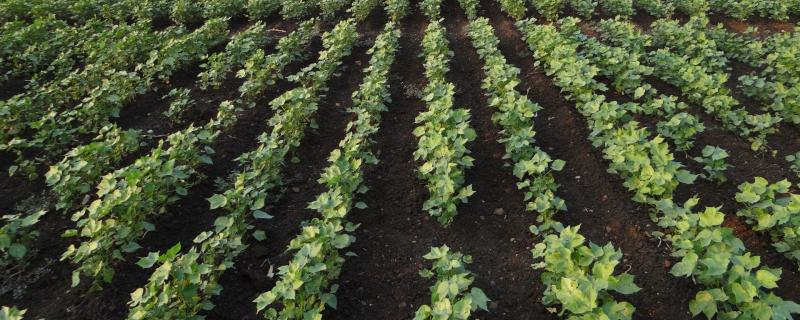
Study explores how farmers spend on pesticides in cotton farms based on land size, irrigation and tenancy.

Patiala

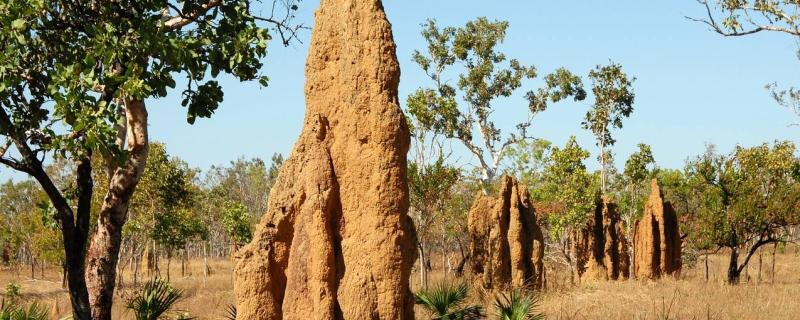
Researchers from the University of Guelph, Punjabi University, Patiala and the Natural History Museum of Denmark have found some fascinating facts about the termite-eating behaviour of some rhiniid species.

Ever wondered about the genes that produces blood in the human body? Haemoglobin in our blood is produced by the haemoglobin beta gene (HBB) and the haemoglobin alpha gene (HBA). These two genes are responsible for providing instructions for making the proteins, beta globin and alpha globin. Beta globin and alpha globin are an important part of the larger protein called haemoglobin, which is found in the human and mammal red blood cells.

Bengaluru

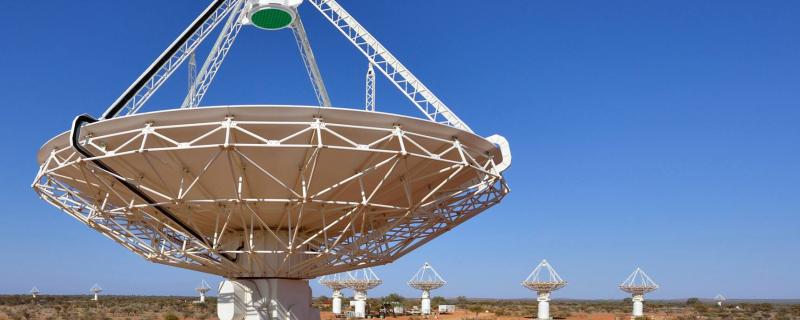
A team of researchers, led by Prof. Keith Bannister at the Commonwealth Science and Industrial Research Organisation (CSIRO) in Australia, observed a burst of radio waves, three-billion light years away, using the Australian Square Kilometre Array Pathfinder (ASKAP) telescope. This could shed light on the ‘missing matter’.

Search Research Matters