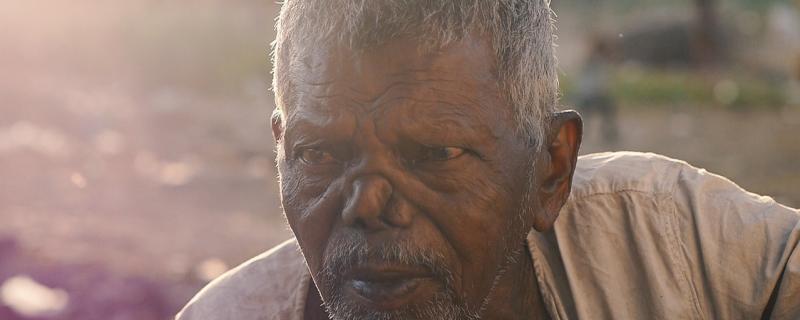
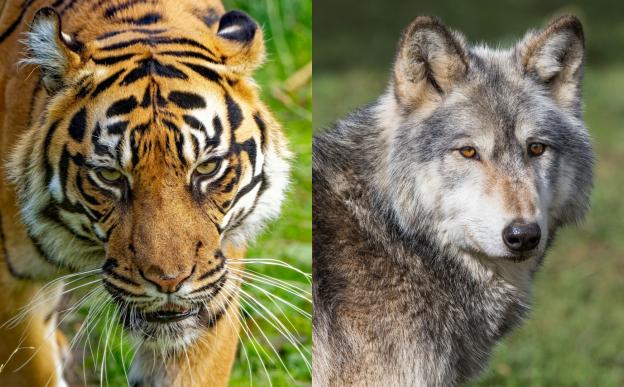
New research reveals that cultural tolerance and political pressure, rather than just biological science, dictate the life or death of tigers in India and wolves in Germany.

Science

Bengaluru

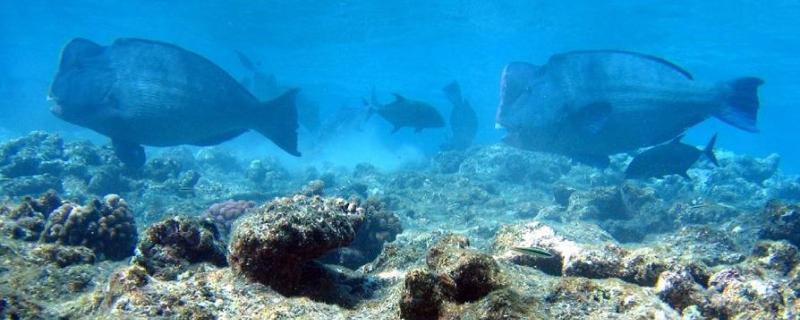
Researchers from two Bengaluru-based institutes—the Wildlife Conservation Society (WCS) and Ashoka Trust for Research in Ecology and the Environment (ATREE), have studied the distribution and the impact of protected marine areas on Bumphead parrotfish (Bolbometopon muricatum) in the Andaman and Nicobar Islands. After months of data collection by scuba diving and capturing underwater photographs of the seafloor, their findings have now been published in the journal Oryx.
Mumbai

Researchers from IIT Bombay and Pennsylvania State University, USA, propose improvements to refine 3D printing using heat. The proposed model can provide accurate processing scenarios for different alloys without trial and error.

Puducherry

A recent study by an international group of researchers has revealed some unpleasant reality of a government-aided program in Bihar for diagnosing leprosy and has estimated the efficiency of an approach that can promote accurate diagnosis of the disease.

We often hear or read that ‘some species of a bird or animal is going extinct’, or ‘a new species of an amphibian or reptile was discovered in the jungles of the Western Ghats’. However, what exactly do we mean by ‘species’?

Bengaluru

Jack: That, my dear Algy, is the whole truth pure and simple.
Algernon: The truth is rarely pure and never simple.
— 
Oscar Wilde in The Importance of Being Earnest

In a series of articles, Research Matters tries to explain the commonly accepted process of scientific methodology, the interpretation of scientific studies and the obvious pitfalls. It is hoped that this series will help lay public in analysing any understanding published scientific studies for what they are, instead of believing just because ‘scientists say so’. This article is the first in the series.

Mysuru

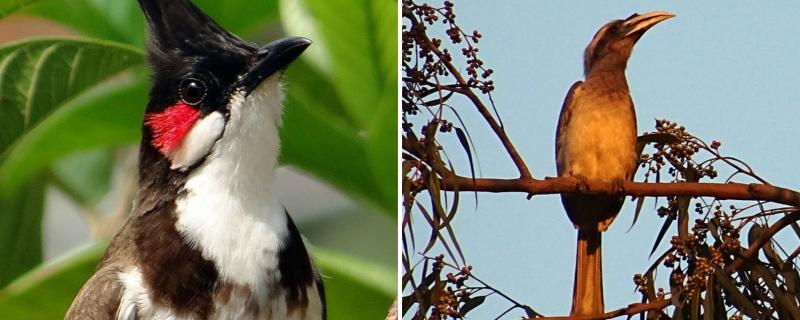
Researchers from the Nature Conservation Foundation, explored organisation of plants and fruit-eating bird communities of the Pakke Tiger Reserve in Arunachal Pradesh. They observed 43 plant species and 48 bird species in the region, and have identified the different networks formed between the trees and their avian seed dispersers.

Thiruvananthapuram

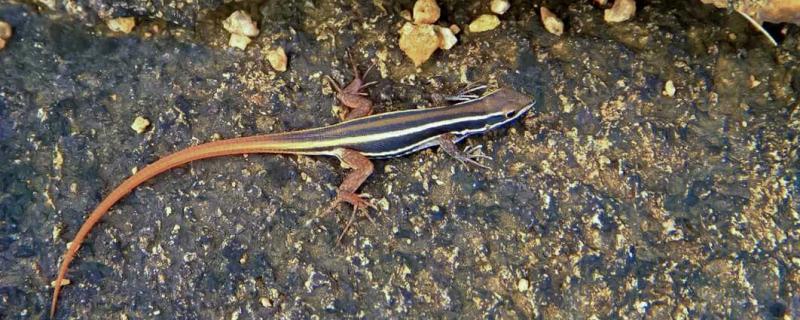
A new study suggests that stripes and colourful tails of some lizards may help them ward off predators

Bengaluru

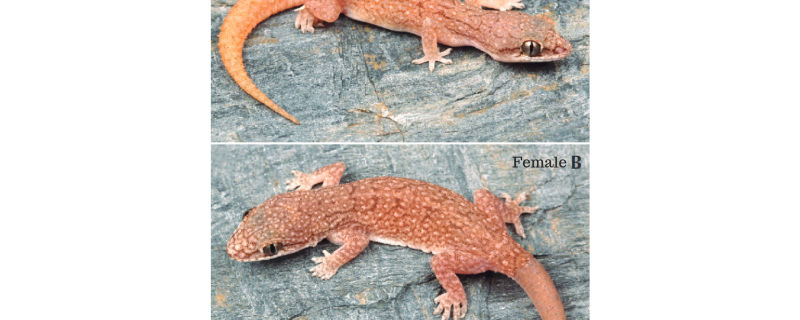
A newly discovered species of ground-dwelling gecko from Karnataka has been named Hemidactylus vijayraghavani, after Prof K VijayRaghavan, the Principal Scientific Advisor to the Government of India. Mr Zeeshan A. Mirza, a researcher from Prof VijayRaghavan’s lab at the National Centre for Biological Sciences (NCBS), Bengaluru, is the person behind this discovery.

It is the 21st century, and human beings have transcended their lives far from ordinary. And yet, the origin of life on Earth is still one of the greatest mysteries of all times. Until now, biology explained the origin of life as the formation of the cell, ultimately creating every living organism on the planet. However, the plausibility of this theory has been challenged by a new one that casts the origin of life as an inevitable outcome of thermodynamics—an essential part of physics.

Aizawl

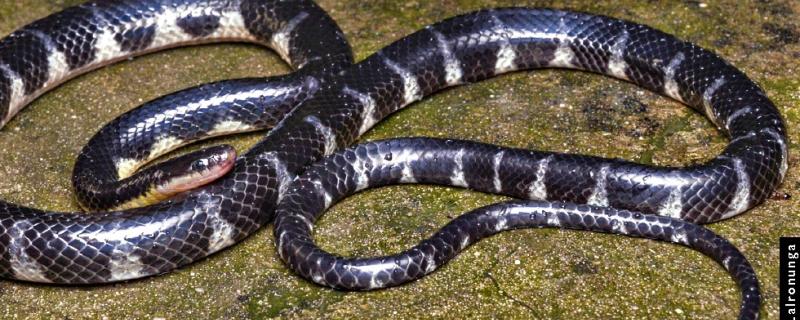
Researchers from NCBS, NHM, WII, Mizoram University, Pachunga University College, and IISc have documented a new genus and species of Natricine snake from Northeast India. 

Search Research Matters