New research from India reveals that, contrary to long-held scientific beliefs, feeding on trees and shrubs does not provide Asian elephants with more protein than grazing on grass.

Bacteria

Bengaluru

Scientists from ICAR-NDRI, Karnal, have observed the competition between our natural gut bacteria and pathogenic bacteria closely. They have identified some proteins involved in this interaction and have also produced microbeads, embedded with these proteins, that have the potential for oral administration to fight pathogenic bacteria. 

Bengaluru

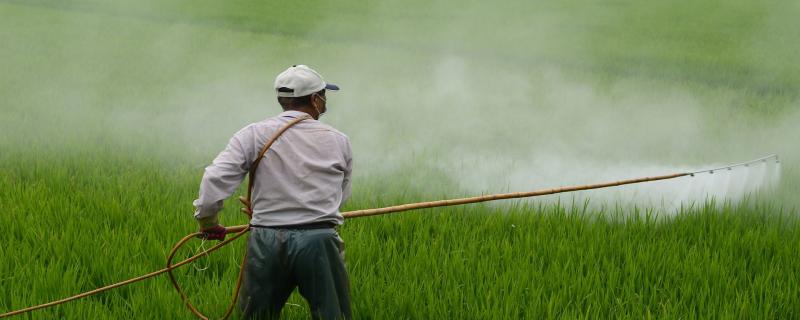
Carbaryl is one of the commonly used pesticides for agricultural as well as non-agricultural use. But like any other insecticide, higher concentrations of Carbaryl in the soil can have adverse effects on humans and other organisms. The need to completely remove it from the environment or break it down into less harmful substances is of primary importance. Researchers from the Indian Institute of Technology Bombay (IIT Bombay), and Institute of Genomics and Integrative Biology (CSIR-IGIB), Delhi, have achieved a significant breakthrough in identifying bacteria which can clean up this pesticide from the environment and understanding exactly how the breakdown occurs.

Kolkata

Researchers from IISER Kolkata and McMaster University, Canada, have studied a model of coexistence among bacteria.

Mumbai

Researchers from IITB, have synthesised silver nanoparticles with antibacterial properties extracted from a type of dung-loving fungi.

Delhi

Scientists from IIT Delhi have developed a platform to detect bacterial growth using fluorescent carbon nanoparticles.


Sikkim

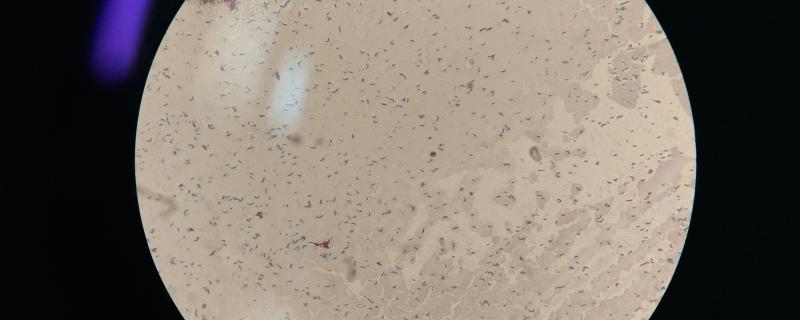
The mountainous state of Sikkim and its famous Yumthang hot spring now has another distinction—the abode of Geobacillus yumthangensis, a new species of bacteria. In a recent study, researchers from the Sikkim University, Gangtok, and the Indian Institute of Technology Guwahati, have isolated a new species of bacteria from the waters of the hot spring.

Bengaluru

Researchers from the Indian Institute of Science, Bengaluru, display how a class of toxins, called the pore-forming toxins, work to destroy our cells.

Kharagpur

Researchers from National Institute of Technology, Durgapur and Indian Institute of Technology Kharagpur in West Bengal, with support from Department of Biotechnology, Government of India,have shown that the one way to efficiently deal with oil sludge, is to cultivate suitable microbes using nutrients, which then disintegrate the contaminants in the sludge.

Mumbai

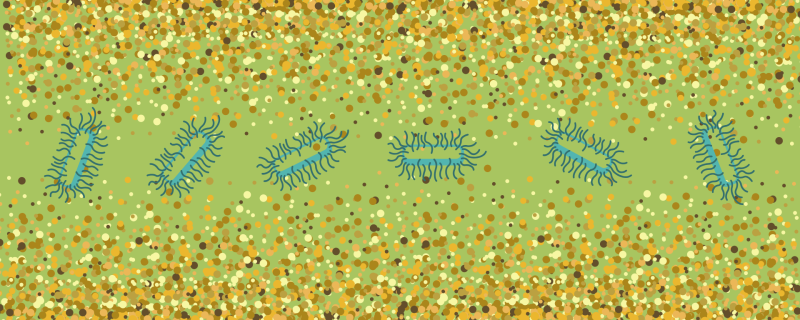
Have you ever wondered how a tiny bacterium enters your body from the surroundings and causes havoc? A simple explanation could be that it enters your body when you take in the contaminated air or water or through contact. But, how exactly does it move around once inside the body, or even in air or water? It does so in two ways; it either wiggles around with the help of flagellum—a lash-like appendage that protrudes from the body, or uses its body weight (specifically, its head) to propel itself. So what path does it trace when it moves?

Pilani

Scientists from Birla Institute of Technology, Pilani, uncover the mechanism behind how plants tolerate and grow in soils with high salt content. The study also explore the role of the bacteria Enterobacter cloacae, which is a known plant growth promoting rhizobacteria.

Search Research Matters