Researchers from BITS-Pilani, Hyderabad, have developed a safer, fluoride-free synthesis method for metal-organic frameworks that significantly boosts their capacity to capture greenhouse gases and store clean fuels at room temperature.

Conservation

Dehradun

Researchers from WII Dehradun have developed high-precision, low-cost mitochondrial markers that allow them to accurately identify rhesus macaques from hair and faecal samples, even in habitats shared with nearly identical species.

Dehradun

A comprehensive analysis of 60 years of data reveals that Indian mangrove research has surged since the 2004 tsunami but remains unevenly focused, leaving critical climate and pollution threats understudied.

Dehradun

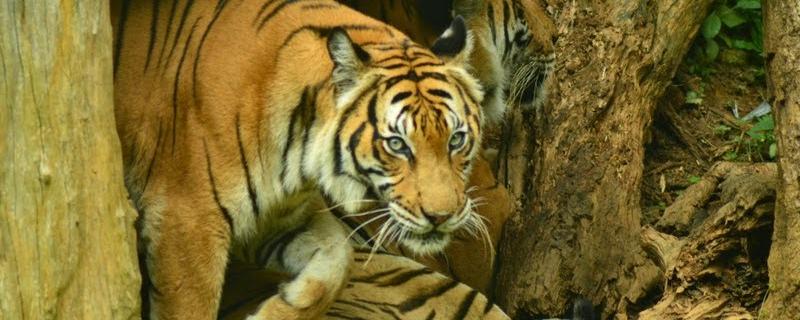
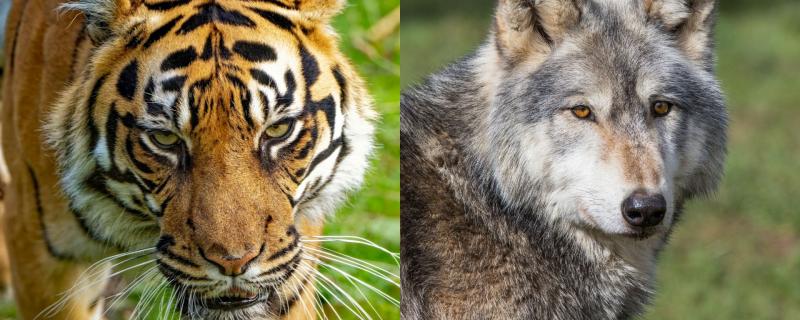
New research reveals that cultural tolerance and political pressure, rather than just biological science, dictate the life or death of tigers in India and wolves in Germany.

Bengaluru

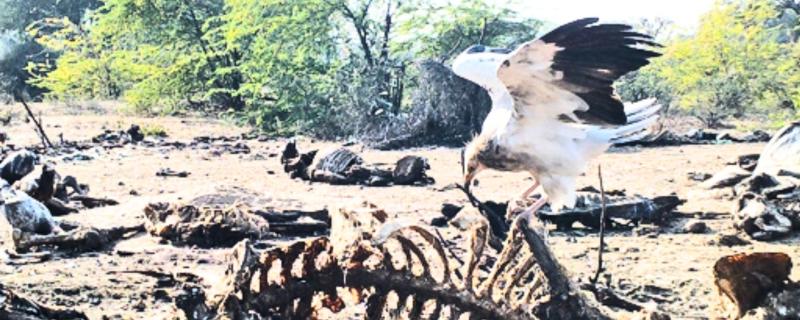
The study found that feral dogs are displacing endangered Egyptian vultures from prime feeding spots at unofficial carcass dumps.

Dehradun

Researchers have conducted a detailed survey of the bamboo in the Dima Hasao district of Assam to map bamboo forests and understand the factors that contribute to their growth.

Dehradun

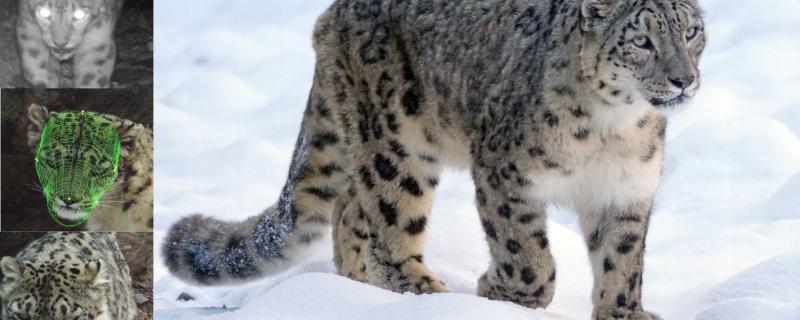
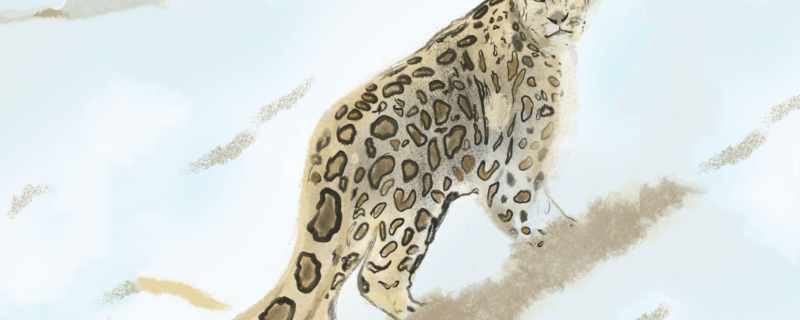
Researchers undertook a comprehensive snow leopard survey covering 59,000 square kilometres of Ladakh's terrain using camera traps and field surveys.

Kolkata

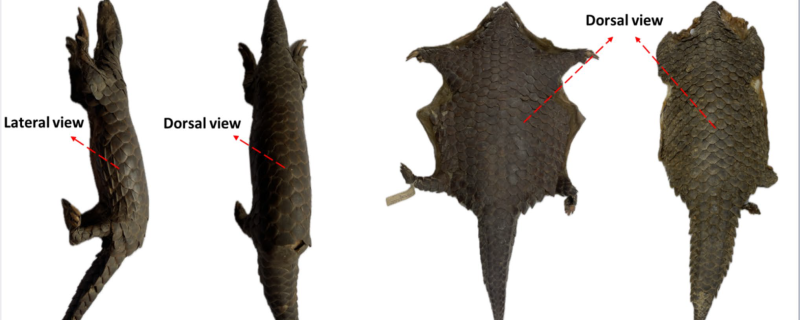
While combing through the DNA of confiscated pangolins, scientists identified a species that had never been recorded before.

Uttarakhand

In the heart of Central India lies the Panna Tiger Reserve, a sanctuary that has seen a remarkable revival of its tiger population thanks to reintroduction efforts. But how are these majestic creatures adapting to their new environment? A team of researchers from the Wildlife Institute of India (WII) Dehradun is trying to find out.

Mysore

Researchers identify the factors affecting snow leopard density in Spiti Valley, Himachal Pradesh.

Bengaluru

Researchers from ATREE review their work over the past 25 years.

Search Research Matters