IIT Bombay

Mumbai

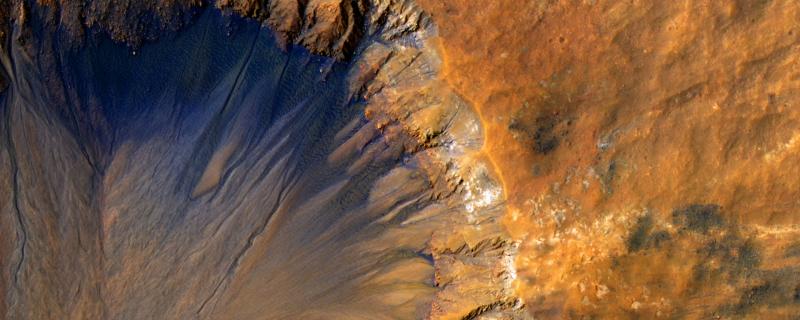
Using space-borne remote sensing instruments, scientists from Indian Institute of Technology Bombay (IITB) have detected evidence for hydrous and hydrated minerals on the Martian surface. An excess of such minerals were found associated with impact craters on Mars and could be a result of either pre-existing ancient hydrothermal systems or hydrothermal systems that were created due to the impact by meteors, asteroids and comets.
Mumbai

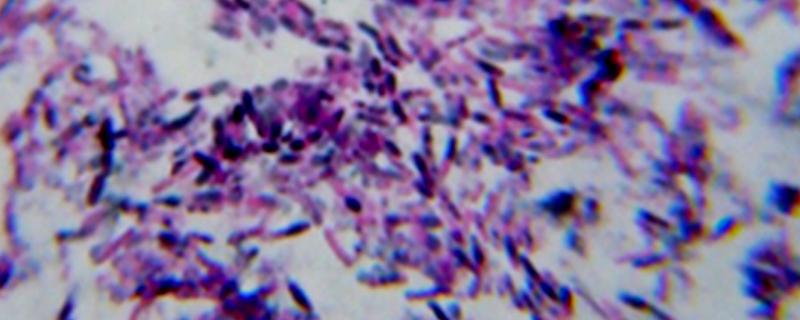
Have you ever wondered how a tiny bacterium enters your body from the surroundings and causes havoc? A simple explanation could be that it enters your body when you take in the contaminated air or water or through contact. But, how exactly does it move around once inside the body, or even in air or water? It does so in two ways; it either wiggles around with the help of flagellum—a lash-like appendage that protrudes from the body, or uses its body weight (specifically, its head) to propel itself. So what path does it trace when it moves?

Mumbai

Microbial Fuel Cells (MFCs) are bio-electrochemical devices that use the power of respiring microbes to convert organic matter into electrical energy. Thus, they can help treat wastewater and also generate electricity. Realising the vast potential these cells have, scientists are finding ways to improve their performance and efficiency.

Mumbai

“Honesty is the best policy - when there is money in it”, quipped Mark Twain.

Though the abilities of computers have increased exponentially, recognising sarcastic commentary such as “being awake at 4am with a headache is fun”, still remains a challenge. Unlike humans, who use visual and physical cues like rolling of eyes to detect sarcasm, computers have to rely only on text. For the past decade, linguistic studies have accelerated enhancements in computational irony.

Mumbai

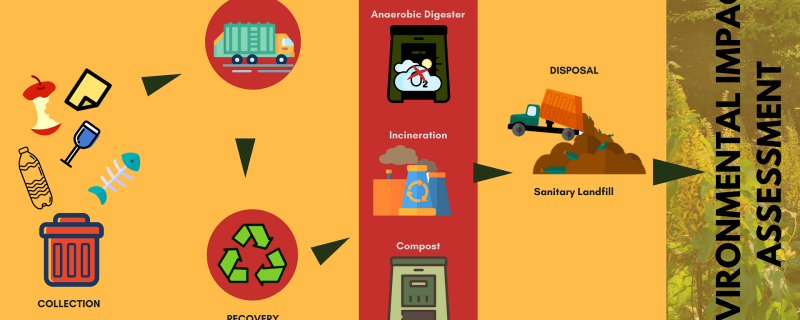
Researchers from the Indian Institute of Technology, Bombay, look into the various ways in which our solid waste management woes can be solved. In their efforts integrated waste management appears as a solution that can help reduce the pollution caused due to open dumping.

Bengaluru

An international team, including scientists from California Institute of Technology, USA, University of Oxford, UK, Indian Institute of Technology Bombay, Mumbai, Tata Institute of Fundamental Research, Pune and several other universities from around the globe, are probing radio waves emanating from the source that the produced gravitational wave event GW170817. Their study could reveal more information about the events that cause gravitational waves and its aftermath.

Bengaluru

A new study by researchers from Indian Institute of Technology Bombay, Mumbai has, for the first time, demonstrated an efficient way to convert garden waste into fuel pellets that could be used for cooking.

Mumbai

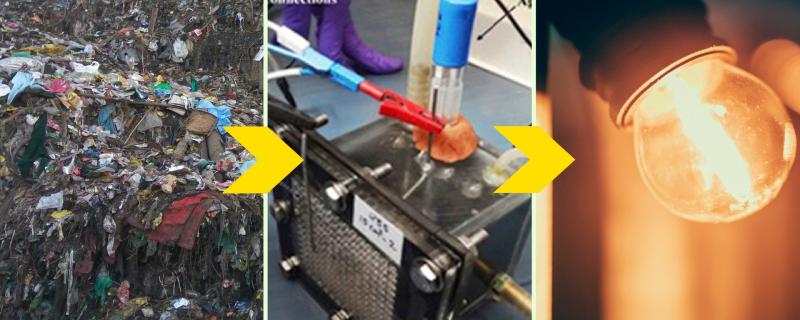
While the country struggles with various problems related to waste management, scientists from the Indian Institute of Technology, Bombay, have come up with a novel solution to turn waste to wealth. The researchers develop a method to generate energy from landfill leachate and microbial fuel cells. 

Mumbai

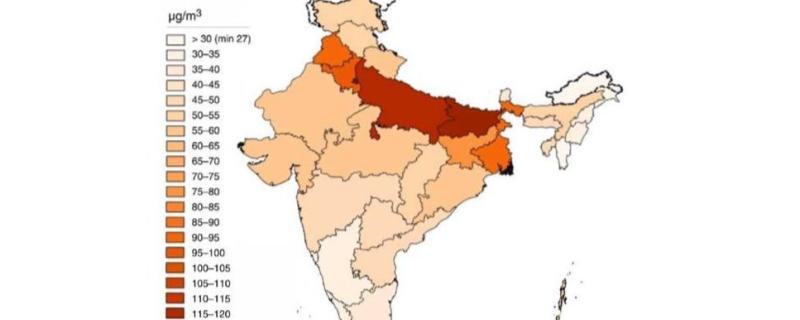
3.6 million lives could be lost in 2050 due to air pollution, says a recent study.

According to a new study by researchers from the Indian Institute of Technology-Bombay (IIT-B), the Health Effects Institute (HEI), and the Institute for Health Metrics and Evaluation (IHME), in 2015, only one in 1000 Indians lived in areas where particulate pollution did not exceed the permissible levels prescribed by World Health Organization (WHO).

Mumbai

Scientists from Indian Institute of Technology, Bombay, find a way to convert undesirable heat energy from electronic devices to electricity and reconverting this into electricity using the concept of thermoelectric effect - a physical phenomenon where a difference in the temperature between two contacts leads to a difference in the voltage, and hence flow of electricity.

Search Research Matters