Research reveals that graphene-enhanced batteries can slash electric vehicle charging times by up to 27% while cutting battery weight by more than half, potentially solving the biggest hurdles to green transportation.

Deep-dive

Bengaluru

Human decision-making is critical to voluntary vaccination programs. In a recent study, published in PLoS Computational Biology, researchers from the Institute of Mathematical Sciences, Chennai, have modelled the outcomes of such programs using game theory. Game theory is a branch of mathematics that studies how agents in an interaction make strategic decisions.


Mumbai

Researchers from IIT Bombay and CSIR-NCL show how gold-liposome nanohybrids can kill cancer cells.

Bengaluru

In the course of human evolution, our ability to read is a relatively newly acquired trait. Hence, it is highly unlikely that a region of the brain could have evolved specifically for reading, unlike much more ancient functions like seeing or hearing. But, how is it that we are capable of this unique feat that involves recognising words and interpreting their meaning? Reading requires the coordinated functions of several regions in the brain, particularly associated with visual sensory processing. In a recent study, an international team of researchers investigated the effects of reading on the visual system in the brain.This study was published in the journal Science Advances.

Bengaluru

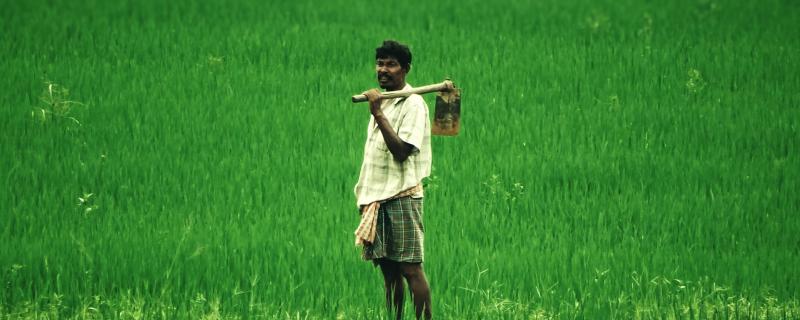
During the years 2018-2019, India witnessed a few ‘Kisan Long Marches’, where thousands of farmers took to the streets. They marched against state and central governments to alleviate their suffering. Their demands included loan waivers, proper land ownership rights, access to insurance and other welfare schemes, and obtaining a justified price for their crops. The Indian farming community is facing a crisis and farmer suicides are increasing by the day. Does the country’s social and caste structure add to these woes of the farming community? A recent study by researchers has found some insights. The study, published in the journal PLOS One, explored if caste of the farmers played a role in them having access to agriculture-related information. 

Bengaluru

Researchers study how fig tree distribution influences fig wasps’ dispersal evolution.

Bengaluru

The city of Delhi has been consistently ranked as one of the world's most polluted cities. As the monsoon ends, haze sets in, with Deepawali around the corner, bringing the entire city to a standstill with low visibility. Besides vehicular emissions, smoke from diesel generators and construction dust, a significant contributor to this problem is the practice of crop residue burning by farmers in Punjab and Haryana. A recent study, published in the journal Nature Sustainability, suggests that groundwater conservation policies, adopted by Punjab and Haryana, have changed the patterns of rice production. These policies, the researchers argue, have led to the concentration of crop residue burning into a narrower period, later in the season.

Bengaluru

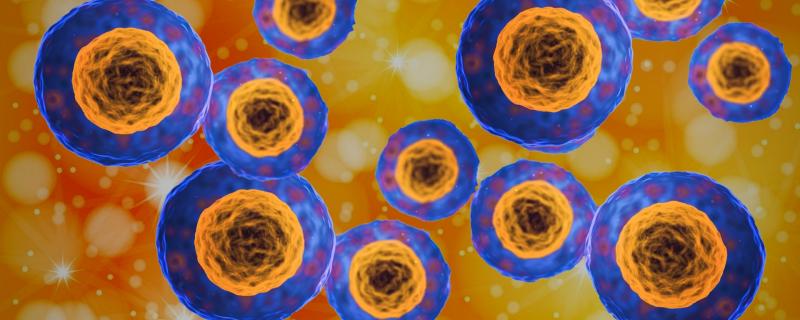
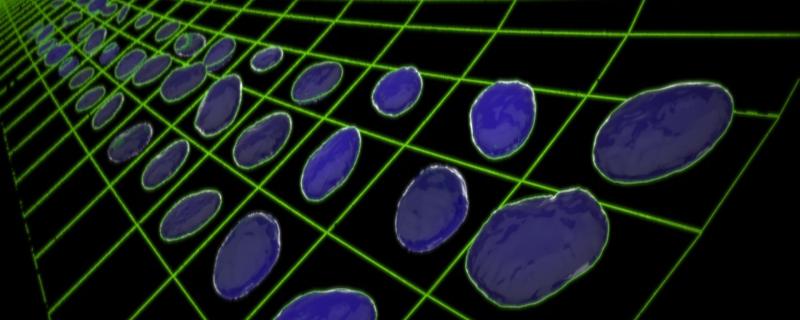
The nucleus of the cell holds our genetic material and is a vital part of our cell. Apart from what they carry, how they look also plays a crucial role in diagnosing many diseases. In a recent study, researchers at the Indian Institute of Science (IISc), Bengaluru, have developed a mechanical model to quantify the shape of the nucleus and predict the biochemistry within a cell. They have used this model to show how Hepatitis C virus changes the nuclear mechanics of cells affected by it. This study is published in the Biophysical Journal.

Bengaluru

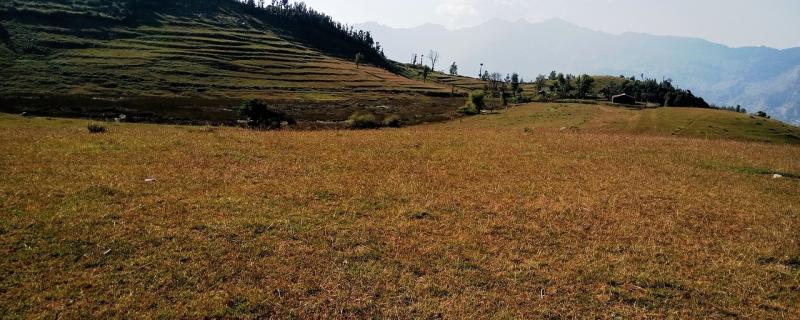
Researchers from the National Centre for Biological Sciences, Bengaluru, have shown that grass-fuelled fires and seasonal drought, which are the characteristics of savannas, are also observed in the dry deciduous “forests” in India. These findings add to a growing body of evidence that these systems are, in fact, savannas.

Bengaluru

Antimicrobials, a class of drugs used in humans and animals to treat diseases caused by bacteria, fungi, and parasites serve as a proxy for good hygiene and make up for the poor husbandry practices in animal farms in low and middle-income countries around the world. However, this dereliction comes with a considerable cost wherein, the overuse of these drugs has led to these microbes developing resistance against the very same drugs used to kill them.  Antimicrobial resistance (AMR) in humans is linked to several animals, especially those that are raised for food. Despite this knowledge, it has received little attention in the world of animal science. A new study, published in the journal Science, has mapped the global trends of antimicrobial resistance in farm animals, with particular focus on developing countries, including India. 

Mumbai

Researchers compare how the Greek and Indian mathematicians measured the surface area of a sphere.

Search Research Matters