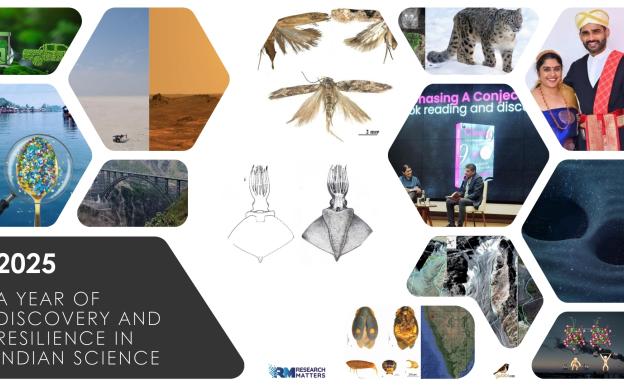
A look back at the fifteen key stories of the year on Research Matters, showcasing the ingenuity and dedication of the Indian scientific community in 2025.

General

Bengaluru

In a recent study, researchers from Christ (Deemed to be University), Bengaluru, have developed a technique to make fluorescent carbon nanoparticles using lignite, a type of coal that is available ubiquitously. These nanoparticles have the potential to be developed as glucose sensors to detect hypoglycemia or decreased glucose levels.The results of the study have been published in the journal Scientific Reports.
Bengaluru

The neurotoxin series: Part 1. The first of a series that talks about the neurotoxins found in the cone snails.

Mumbai

IIT Bombay student has won the Gandhian Young Technological Innovation (GYTI) Award for window-mounted solar cooker design

New Delhi

A nationwide collaborative study, by 53 institutes, has found that one out of eight children, between two and nine years, has at least one neurodevelopmental disorder.

Bengaluru

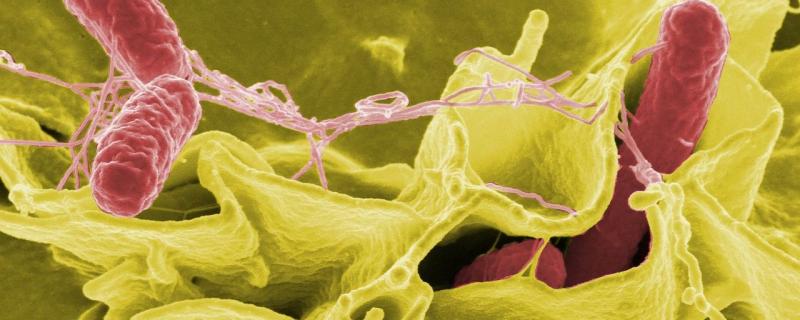
In a recent study, researchers at the Indian Institute of Science, Bengaluru, have described how the pathogenic bacteria Salmonella, which causes a range of diseases from diarrhoea to typhoid, escapes from our immune system. The findings of this study, funded by the Department of Biotechnology and the Department of Atomic Energy, have been published in the journal PLoS Pathogens.

Bengaluru

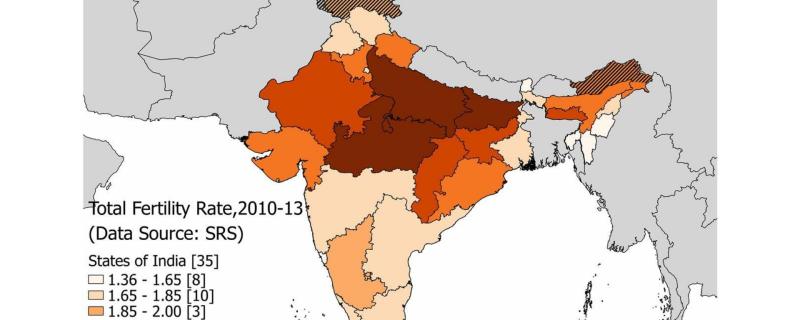
Researchers from the Shanghai University, China and the International Institute for Applied Systems Analysis, Austria, have developed a novel model that takes many characteristics of the population into account to make demographic projections for India. 

Bengaluru

In a recent study conducted by the researchers from ICAR-National Rice Research Institute, Cuttack and their collaborators, researchers have studied the mechanism of methane gas emission by seven varieties of rice grown in  Eastern India. The study was published in the journal Science of The Total Environment.

Vellore

How ready are India's to-be doctors to learn on their own and keep themselves updated with the newest knowledge in the medical field? If the results of a study, involving students of the Christian Medical College (CMC), Vellore, are considered, the answer is a sober ‘average’. The study, conducted by researchers at CMC and the University of Saskatchewan, Canada, was published in the journal BMC Medical Education.

Vellore

Researchers from CMC Vellore, AIIMS, TN Medical College & BYLN Hospital, and THSTI, throw some light on the recent trend of the diseases typhoid and paratyphoid fever.

Bengaluru

In a recent study, researchers from the Institute for Stem Cell Biology and Regenerative Medicine (InStem), the National Centre for Biological Sciences (NCBS), Bengaluru, and the University of Edinburgh, UK, have deciphered an exciting role of a human protein commonly found in the brain. The protein, called Fragile-X mental retardation protein (FMRP), plays a vital role in the development of cognitive functions.

Search Research Matters