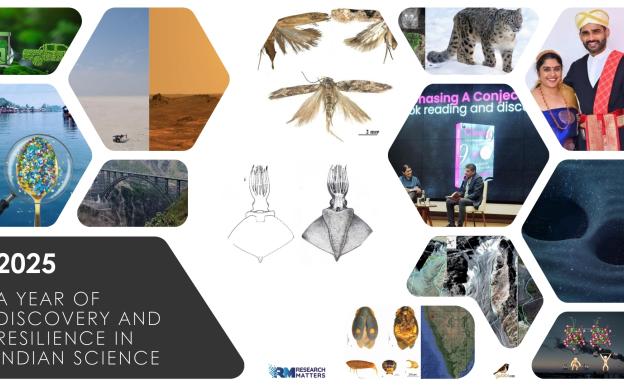
A look back at the fifteen key stories of the year on Research Matters, showcasing the ingenuity and dedication of the Indian scientific community in 2025.

General

Bengaluru

Scientists are always on the lookout for novel chemical compounds with medicinal properties to fight many of the diseases we know. In one such effort, researchers from the Aligarh Muslim University, Uttar Pradesh, and their collaborators have developed three compounds with steroids and pyrimidines with remarkable biological applications. The results of the study are published in the International Journal of Biological Macromolecules.
Chennai

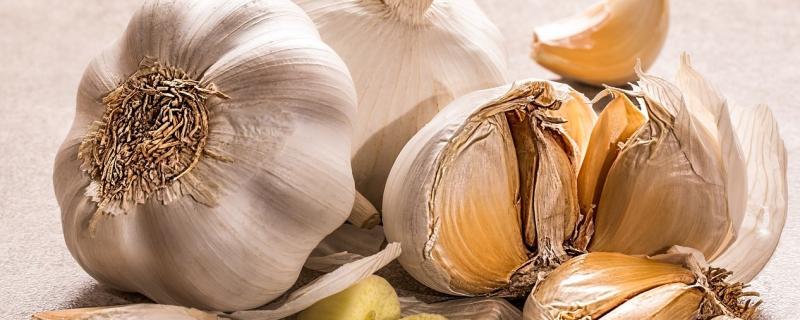
Researchers studied how aged garlic extract can help fight cancer and repair damaged liver.

Bengaluru

Researchers from RRI, Bengaluru, used an electric field to turn laponite nanoclay suspensions into a gel-like solid to study of the deformation and flow of matter.

Bengaluru

Researchers from IISC, Bengaluru, investigated the role of the protein Sirtuin 6 in the process of energy generation from glucose in a failing heart.

Jammu

Researchers from IIIM, Jammu, have designed an anticancer drug from the medical herb Babchi.

Mumbai

Study from IIT Bombay explores whether the problem of affordable housing in urban India is resolved through Satellite town near metropolises. 

Savitri is a cheerful 6-year old girl with twinkle in her eyes and swiftness in her feet. She is extremely delighted to pen down the curvy tip of the beak of Purple-rumped Sunbird in her note, her 100th bird species to be identified during her birding trips. The alluring plumage, swift flight, striking songs of these feathered friends fascinate not only her, but the entire mankind!

Bengaluru

A sneak peak into the world of the moth, a severely under studied insect that is in dire need of conservation.

Bengaluru

Researchers from Jawaharlal Nehru University, National Institute of Plant Genome Research and CSIR-Indian Institute of Toxicology Research, India, have identified a new strain of bacteria, β-proteobacterium Pandoraea, that can help break up lignin and decompose it. The bacterial strain produces polyhydroxyalkanoates (PHAs) which have the potential to replace conventional plastics.

Bengaluru

Researchers from IISER Bhopal proposed a method of protein labelling to develop selective and sensitive drugs that could be used to treat a variety of diseases. It can be used to develop less harmful cancer chemotherapeutics.

Search Research Matters