A new review reveals that rising global temperatures, increased pollution, and extreme weather events are driving a global surge in eye diseases, disproportionately affecting vulnerable communities and challenging healthcare systems.

Technology

Mumbai

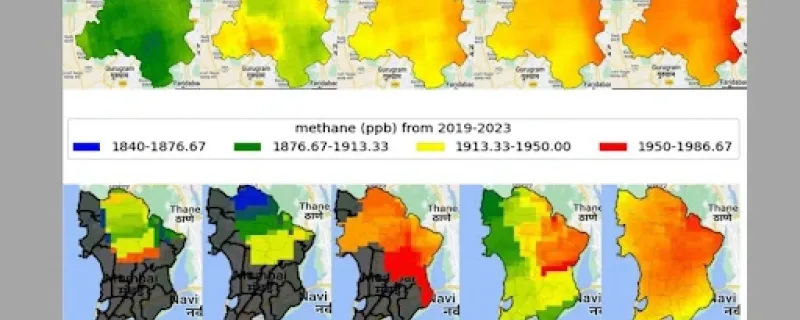
An IIT Bombay study using satellite data shows rising greenhouse gas levels over Delhi and Mumbai and also identifies emission hotspots in these cities.

Mumbai

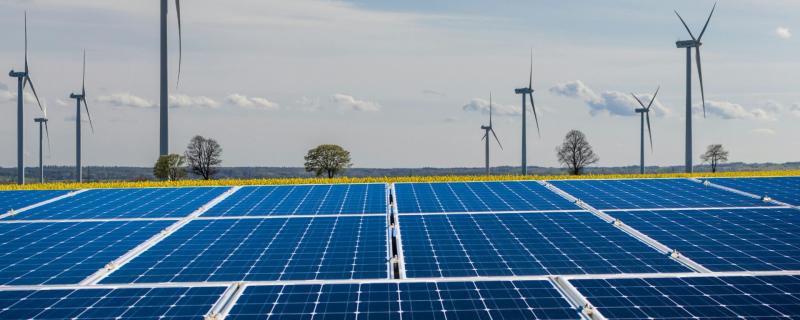
Researchers developed a granular power generation and grid operations model to evaluate pathways to India’s 2030 renewable energy mandate. The study shows that regional coordination and flexible compliance mechanisms are key, along with measured storage and a phased coal transition, balancing flexibility, affordability, and reliability for India’s clean energy transition.

Mumbai

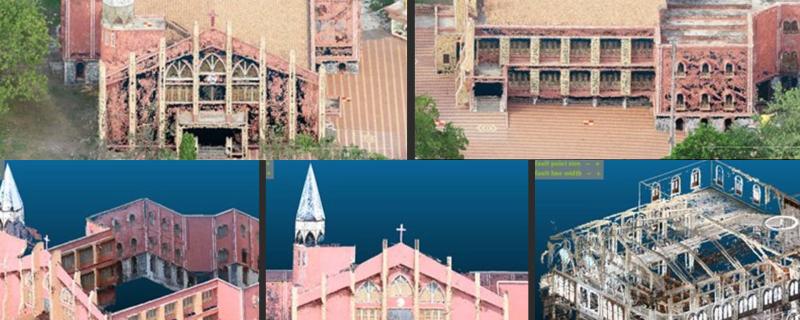
Researchers develop an affordable and highly accurate method for creating detailed three-dimensional maps of heritage structures using Unmanned Aerial Vehicles (UAVs) and terrestrial photogrammetry.

Chennai

New research uses satellite imagery and AI to accurately predict India's electricity consumption, offering crucial insights for sustainable energy planning.

Mumbai

The IIT Bombay method to coat microfibres with nanoparticles, while they are forming, ensures uniform coating and better performance

Bengaluru

A new study reveals how the Ujjwala scheme, providing LPG to rural households, has inadvertently triggered a significant forest recovery in Jharkhand, India.

Mumbai

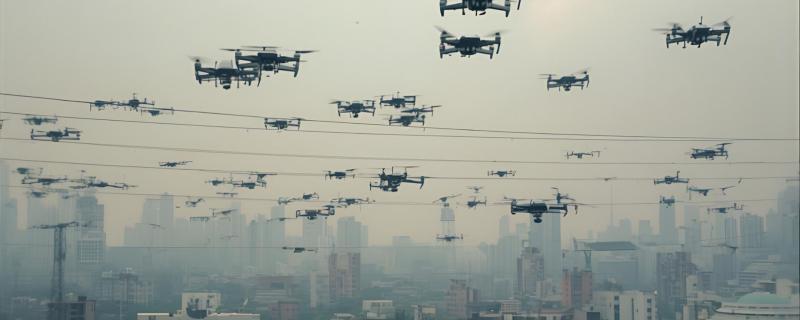
IIT Bombay researchers have developed a novel control system for drones, enabling complex formation flying using only camera data, without the need for GPS or inter-drone communication.

Ghaziabad

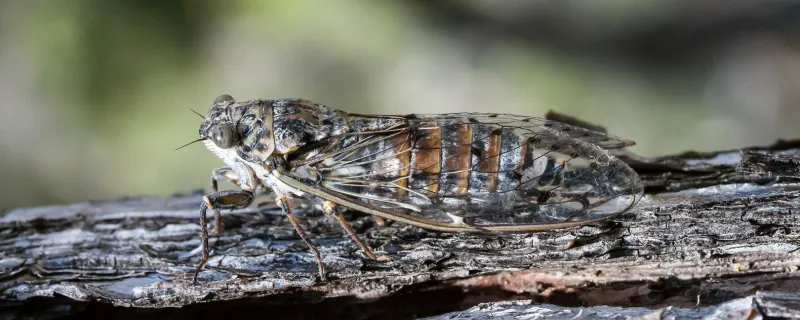
Cicadas synchronize their morning serenades not just by light, but by listening to each other, revealing a complex collective decision-making process.

Mumbai

A novel AI tool, DrugProtAI, promises to transform drug development by accurately identifying proteins that can be targeted by medicines, addressing a major hurdle in clinical research.

Mumbai

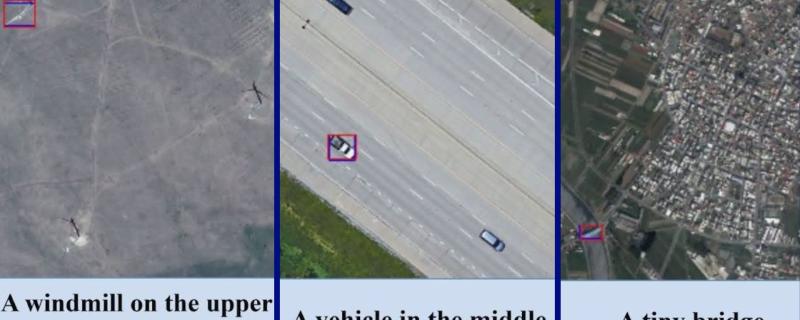
IIT Bombay researchers build a new model, named AMVG, that bridges the gap between how humans prompt and how machines analyse satellite or remote sensing imagery.

Search Research Matters