A new review reveals that rising global temperatures, increased pollution, and extreme weather events are driving a global surge in eye diseases, disproportionately affecting vulnerable communities and challenging healthcare systems.

Ecology

Kannur

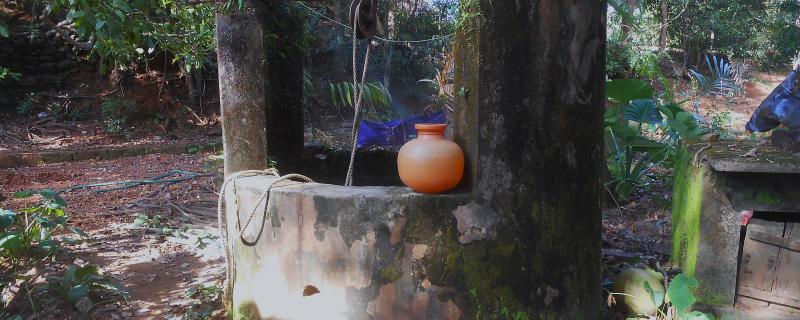
Researchers have developed a Heavy Metal Pollution Index (HMPI) for the groundwater in Kannur, Kerala, and created a spatial map of groundwater using GIS data.

Dehradun

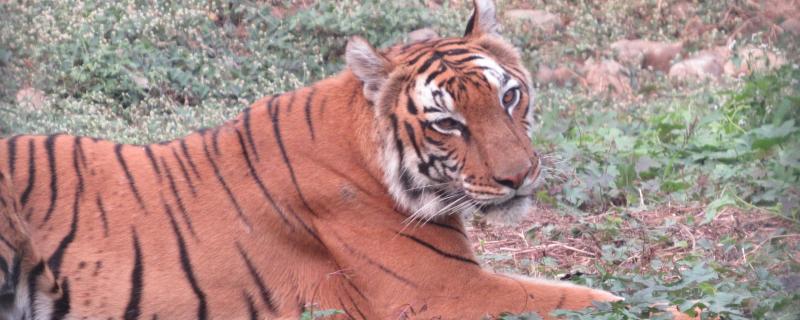
Tigers are master adapters, dynamically shifting their movements to survive in landscapes shared with humans, from cautious exploration as youngsters to strategic navigation as adults.

Pune

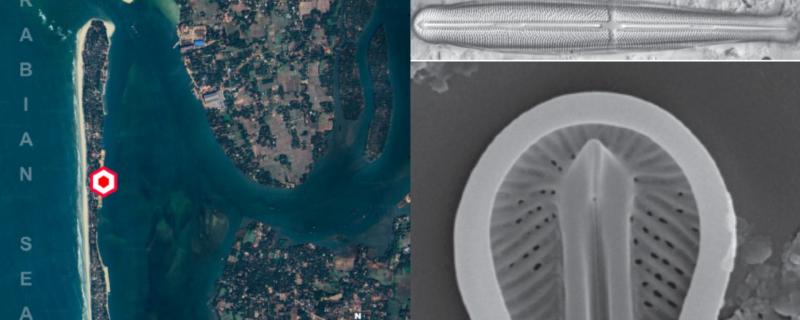
A tiny, uniquely shaped diatom, Climaconeis heteropolaris, has been discovered in the estuaries of Udupi, Karnataka in India's southwestern coast, offering new insights into marine biodiversity.

Dehradun

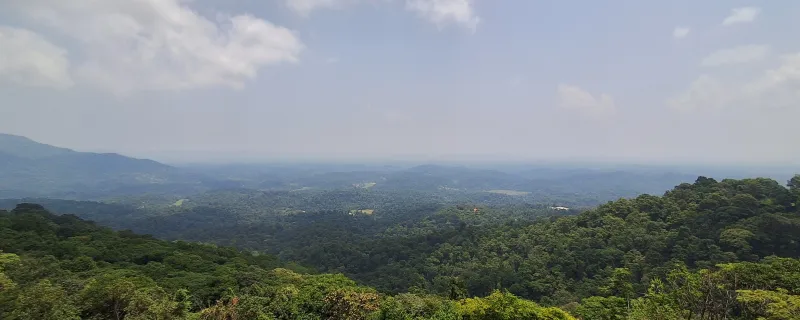
Researchers have conducted a detailed survey of the bamboo in the Dima Hasao district of Assam to map bamboo forests and understand the factors that contribute to their growth.

Chennai

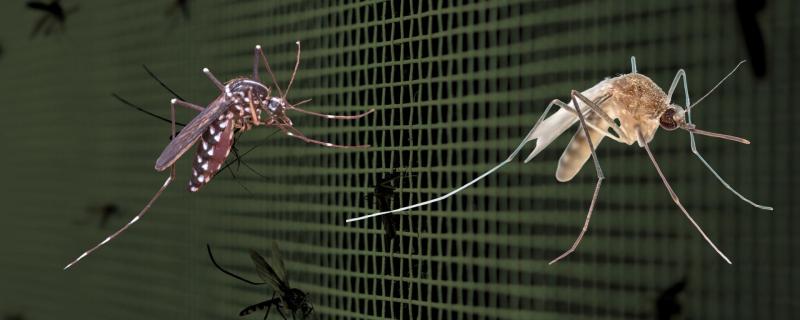
Mosquitoes are the deadliest animals on Earth, causing more human deaths than sharks, snakes, and even other humans combined. These tiny, buzzing insects, often dismissed as mere nuisances, are the primary carriers of devastating diseases like malaria, dengue, chikungunya, and Zika, which collectively claim over 700,000 lives globally every year. In India, where the tropical climate, mixed with poor water and waste management, creates the perfect environment for mosquitoes, understanding these miniature menaces is a matter of national importance. 

Bengaluru

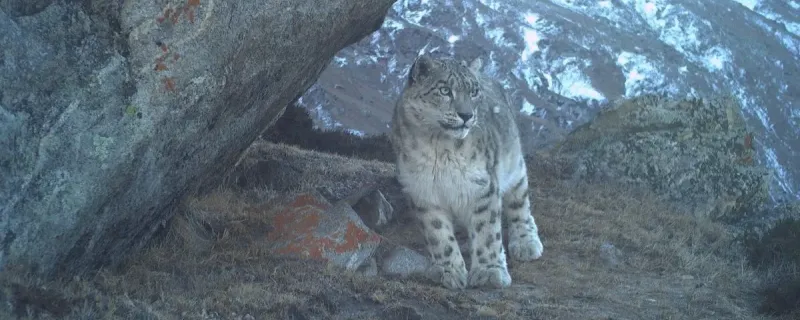
A comprehensive study was conducted between 2022 and 2025 across the majestic Kishtwar Himalayas, under the nationwide Snow Leopard Population Assessment in India (SPAI) protocol found snow leopards are not only present year-round but are also actively breeding.

Shillong

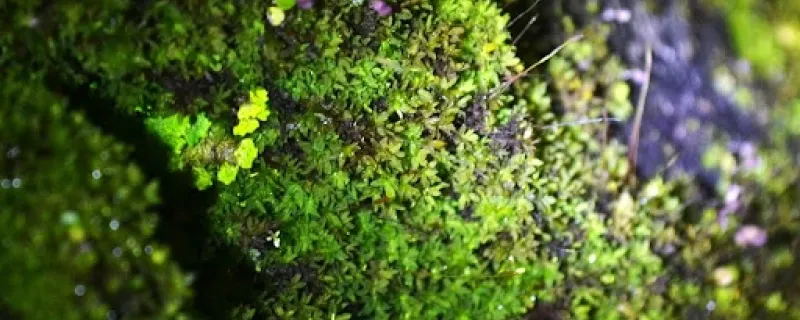
Lichens are proving to be sensitive indicators of climate change in the Himalayas, with their unique traits revealing shifts in temperature and precipitation.

Bengaluru

IISc researhers have developed a Natural Resource Rich Regions ranking method to identify and rank areas rich in natural resources, crucial for effective conservation and sustainable development.

Bhubaneswar

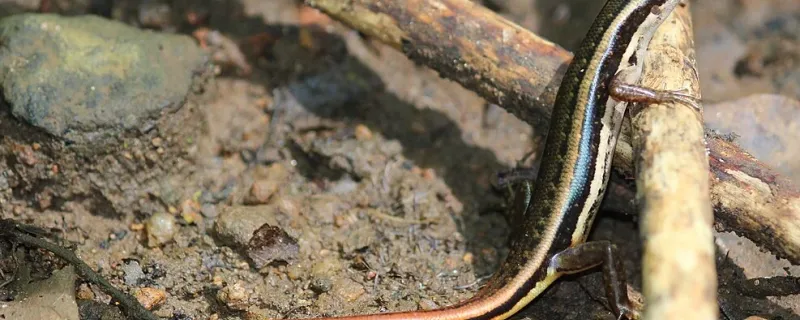
New research reveals that a unique Indian skink species arrived on the subcontinent by rafting across the ocean from Southeast Asia millions of years ago, a journey made possible by fluctuating sea levels.

Mumbai

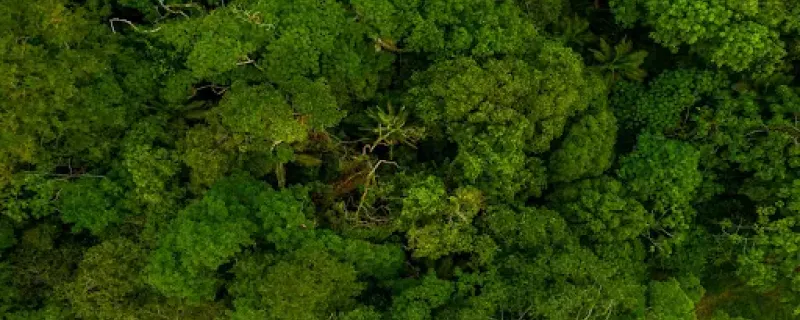
Forest gain from 2015 to 2019 is in fragmented patches, reveals a study conducted using a new framework designed by IIT Bombay and SASTRA Deemed University.

Search Research Matters