Ecology

Bengaluru

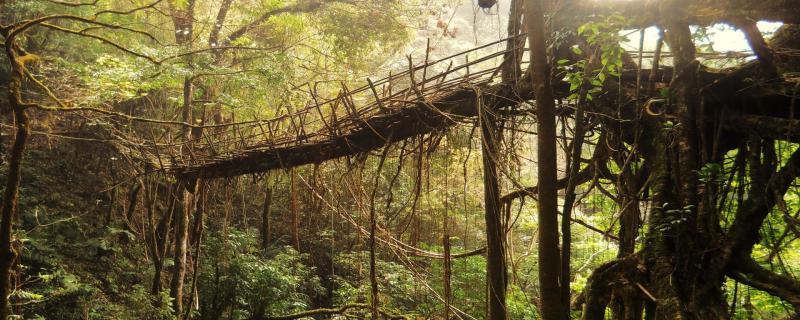
Since 2012, six bridges have collapsed in Mumbai, killing 28 people and injuring hundreds. Often, news of flyovers and pedestrian bridges tumbling down have made it to the headlines across the country. Although durable materials like steel and concrete are used in today’s structures, poor quality of construction and lack of maintenance are often blamed for such catastrophes. Contrast this with the rock-solid centuries-old root bridges found in Meghalaya—many as old as 250 years and still growing strong—built without modern tools or design. Could the structure of these bridges unravel architectural clues for urban construction? In a recent study, researchers from Germany and the USA have tried to understand the morphology and structure of these root bridges, built out of the aerial roots of strangler figs, and that have endured floods, earthquakes, landslides and fires.
Bengaluru

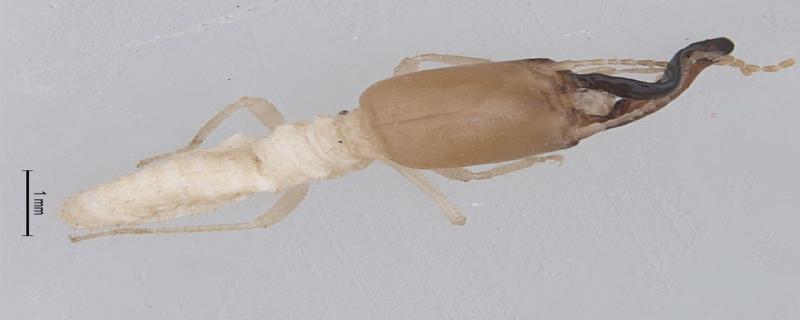
In a recent study, scientists have discovered two new species in the Western Ghats of Kerala, India. To date, this group of termites has been documented only in the Western Ghats of India. The termite species were named after Sri K.A. Dineshan and Sri. Manikandan Nair of the Zoological Survey of India, Kozhikode, who collected the samples from the field and contributed greatly to the entire faunal survey.

Bengaluru

In a recent study, researchers from Anna University, Chennai, quantified the volume of virtual water trade in India. The study, published in the journal Groundwater for Sustainable Development, focussed on the trade exchange of popular crop and livestock products during the years 2006–2016.

Bengaluru

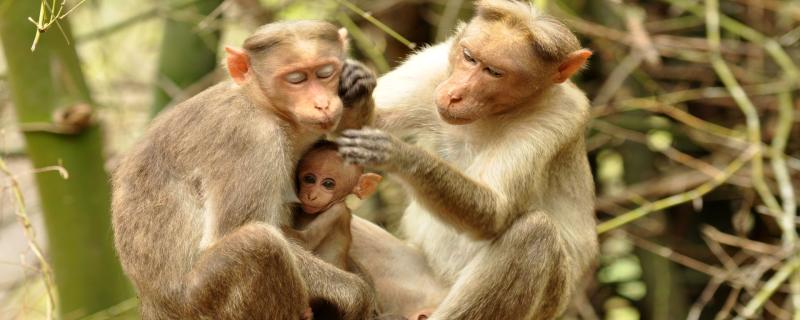
Humans have evolved a complex system of communication expressed through language and primates are perhaps not far behind. Basic signals like facial expressions, gestures and vocalisations, used to share information, are used by humans and other primates. In a new study, researchers from the National Institute of Advanced Studies, Bengaluru, have investigated and compared gestural communication in wild bonnet macaques (Macaca radiata), to those in other apes. 

Bengaluru

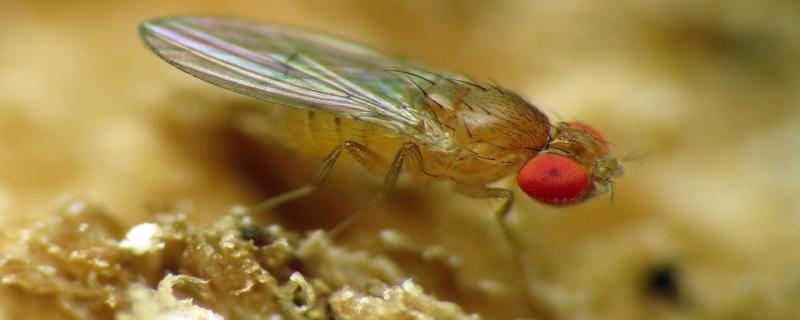
Disgusting, annoying or beneficial? What would you call these pestering fruit flies that don’t miss an opportunity to sit on your favourite cut fruit or visit your kitchen a few times? Whatever you call them, did you know we owe a great deal of our knowledge on evolution to these pesky flies? Ever wondered what’s the lifestyle of Drosophila melanogaster, as they are scientifically called, within the four walls of a laboratory where they are experimented upon? Here is a sneak peek.

Bengaluru

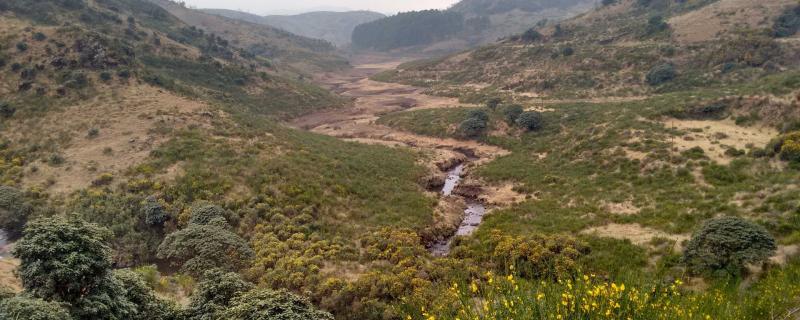
In a recent study, researchers from Sai Nath University, Ranchi, and Bharathiar University, Coimbatore, set out to quantify the impacts of natural radioactivity on the surrounding environment in the Nilgiris of Tamil Nadu. Their findings have been published in the Journal of Radiation Research and Applied Sciences.

Bengaluru

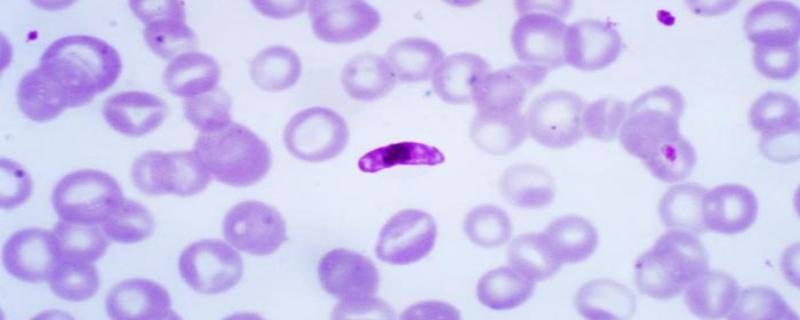
Avian malaria or bird malaria has been linked to significant declines in captive and wild birds, such as penguins and Hawaiian forest birds. Common blood parasites, like Plasmodium that spread through mosquitoes and Haemoproteus that are transmitted through louse flies and biting midges, cause the disease in birds.

Bengaluru

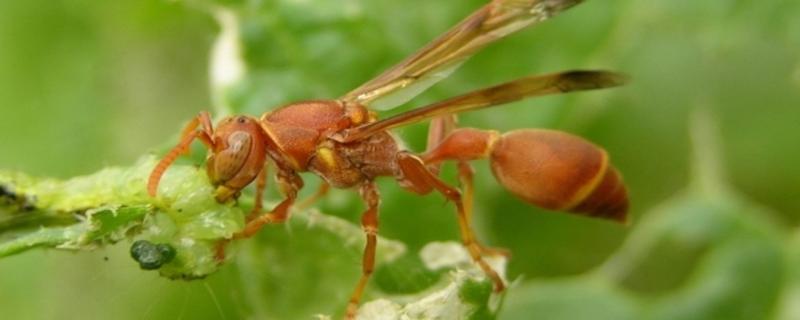
Study shows how paper wasps use the space in their nests to feed their larvae and fend off diseases.

Bengaluru

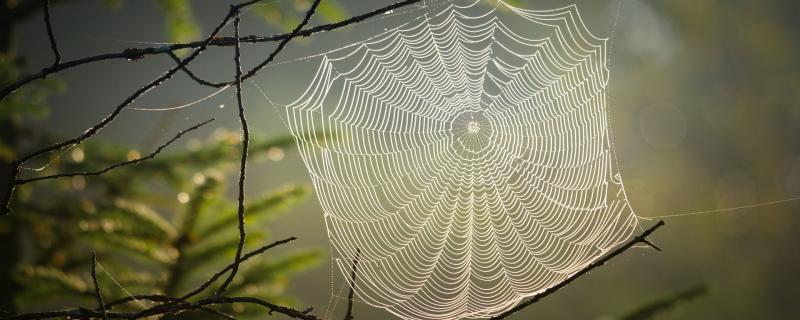
In a study, researchers at the Indian Institute of Technology, Rupnagar, have explored how prey is caught and retained by a healthy spider web when compared with a damaged one. The study, published in the journal Philosophical Transactions of the Royal Society A, was featured under the theme 'Bioinspired materials and surfaces for green science and technology'. The researchers studied the webs of St Andrew's Cross spider (Argiope aetherea), which builds orb-webs and belongs to the Araneidae family.

Bengaluru

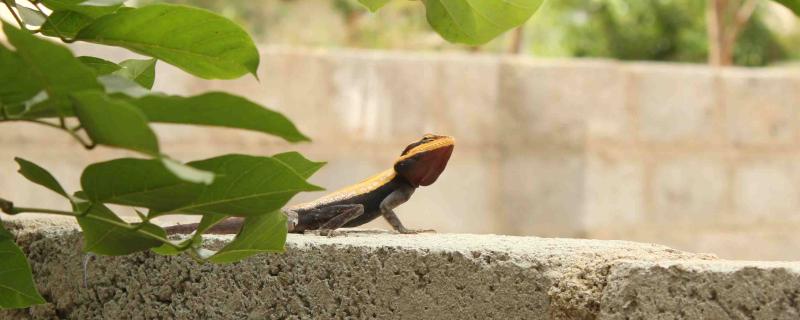
Bengaluru, once called the ‘garden city’, has today traded its greenery for the grey tones of cement. The mushrooming buildings have not only changed the city for its human inhabitants but also for animals that once called this land home. Like us, these animals try to adapt to a new and ever-changing world by learning the tricks and trades necessary to thrive. Now, a study by researchers from IISc has discovered that lizards in the city’s suburbs are street smart, and learn faster than their rural brethren, to stay safe.

Search Research Matters