Ecology

Bengaluru

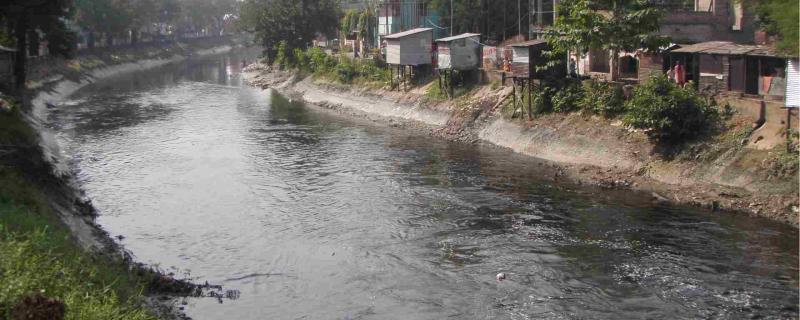
The city of Delhi has been consistently ranked as one of the world's most polluted cities. As the monsoon ends, haze sets in, with Deepawali around the corner, bringing the entire city to a standstill with low visibility. Besides vehicular emissions, smoke from diesel generators and construction dust, a significant contributor to this problem is the practice of crop residue burning by farmers in Punjab and Haryana. A recent study, published in the journal Nature Sustainability, suggests that groundwater conservation policies, adopted by Punjab and Haryana, have changed the patterns of rice production. These policies, the researchers argue, have led to the concentration of crop residue burning into a narrower period, later in the season.
Bengaluru

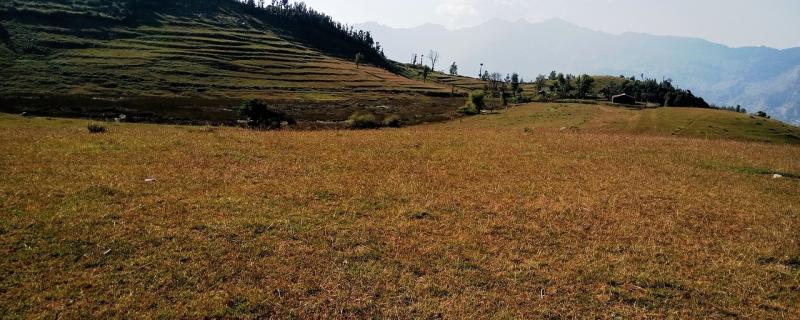
Researchers from the National Centre for Biological Sciences, Bengaluru, have shown that grass-fuelled fires and seasonal drought, which are the characteristics of savannas, are also observed in the dry deciduous “forests” in India. These findings add to a growing body of evidence that these systems are, in fact, savannas.

Bengaluru

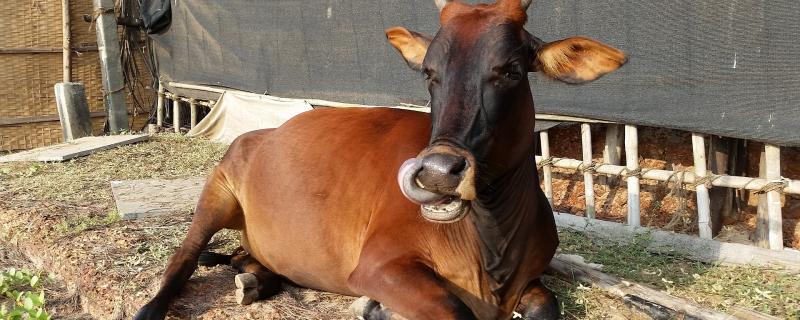
Antimicrobials, a class of drugs used in humans and animals to treat diseases caused by bacteria, fungi, and parasites serve as a proxy for good hygiene and make up for the poor husbandry practices in animal farms in low and middle-income countries around the world. However, this dereliction comes with a considerable cost wherein, the overuse of these drugs has led to these microbes developing resistance against the very same drugs used to kill them.  Antimicrobial resistance (AMR) in humans is linked to several animals, especially those that are raised for food. Despite this knowledge, it has received little attention in the world of animal science. A new study, published in the journal Science, has mapped the global trends of antimicrobial resistance in farm animals, with particular focus on developing countries, including India. 

Bengaluru

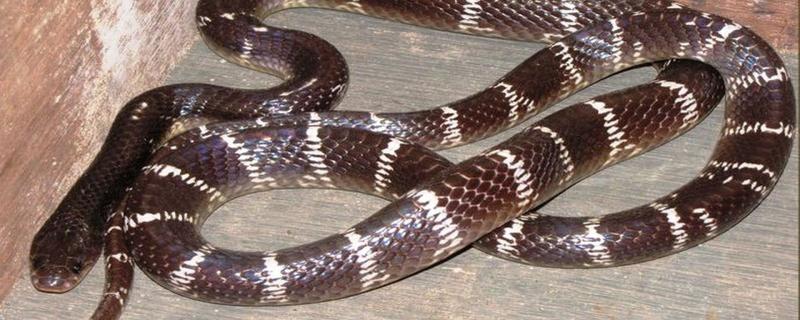
The Indian krait is undoubtedly the deadliest of all venomous snakes in the country, and possesses the most lethal concoction of poisons. In a study, a multi-institute research team, led by the Translational Health Science and Technology Institute (THSTI), Faridabad, have designed a synthetic antivenom with a nucleic acid aptamer which can diagnose Indian krait bites accurately and effectively.

Bengaluru

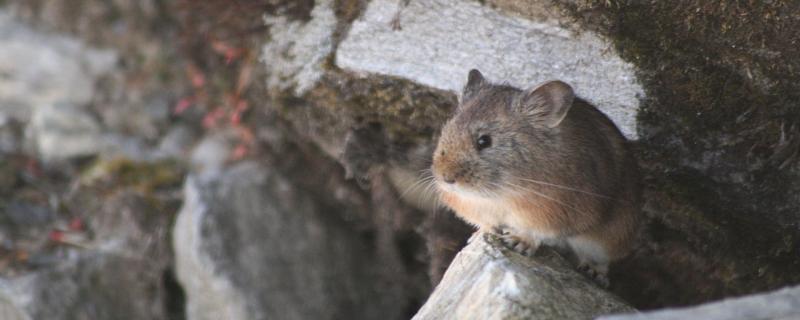
It’s getting tougher for the Royle’s pikas to survive in the Himalayas. But, these tiny, herbivores wouldn't move as they are particular about where they live. Restricted to rocky, mountainous terrains, they are now facing the wrath of rising temperatures and fluctuating environments. What would become of them in a few more decades? Can these fussy relatives of the rabbit find new homes and thrive? A new study by researchers from the Indian Institute of Science, Bengaluru and the Wildlife Institute of India, Dehradun tries to find out what the future holds for them, and that the findings are not good news.

Bengaluru

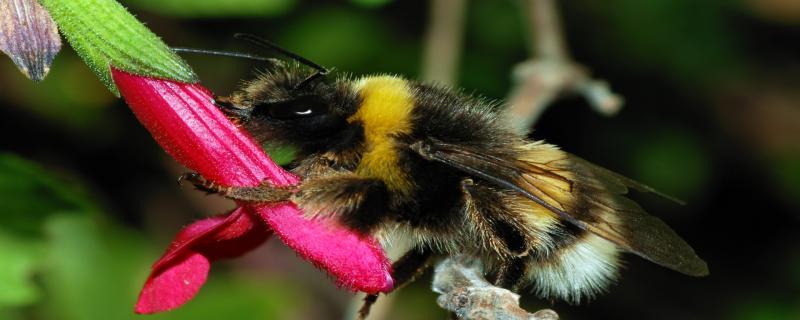
A first-of-its-kind study details diversity and distribution of bumblebees in the Eastern Himalayas. 

Bengaluru

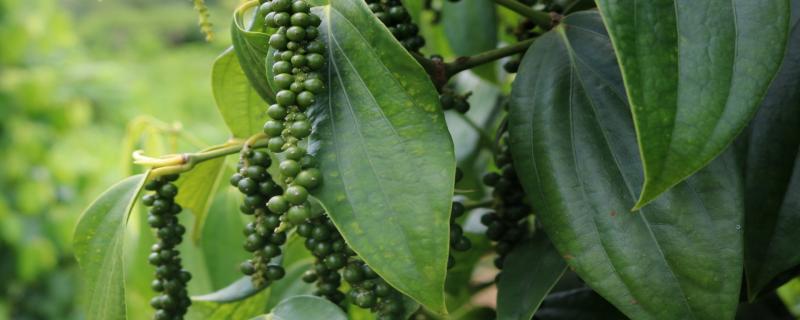
A team of researchers from the ATREE, Bengaluru, Concordia University, Canada, Quebec Centre for Biodiversity Science, Canada, and Jawaharlal Nehru Tropical Botanical Garden and Research Institute, Kerala, have traced the biogeographical origins of Piper genus in India.

Bengaluru

Researchers from the Zoological Survey of India describe a new species of bee Melitta indica from Uttarakhand, India

Bengaluru

Bengaluru’s decreasing tree cover and expanding concrete jungle in recent decades paints a grim picture of the city’s biodiversity. The tales of sparrows nesting on the roofs, parakeets pecking on the juiciest fruit in the backyard tree or the myriad coloured butterflies dancing in the garden are now fragments of imagination! So where have all the birds, animals and insects gone?

Mumbai

Researchers identify a bacterial strain that prefers aromatic pollutants over sugar as food 

Search Research Matters