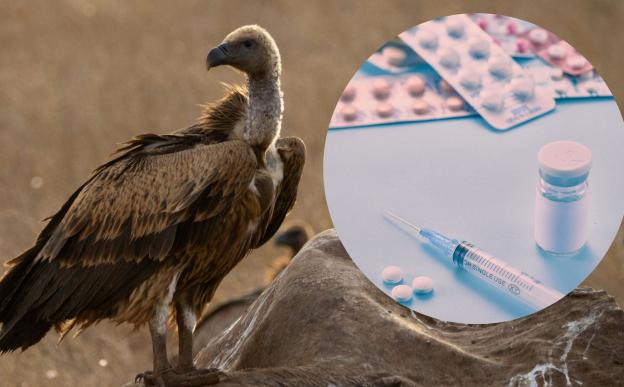
Despite successful bans on the veterinary drug diclofenac in Nepal and parts of India, a decade-long undercover investigation reveals that toxic alternatives like flunixin and nimesulide are rapidly replacing it, posing a renewed existential threat to the region’s critically endangered vulture populations.

Ecology

Hyderabad

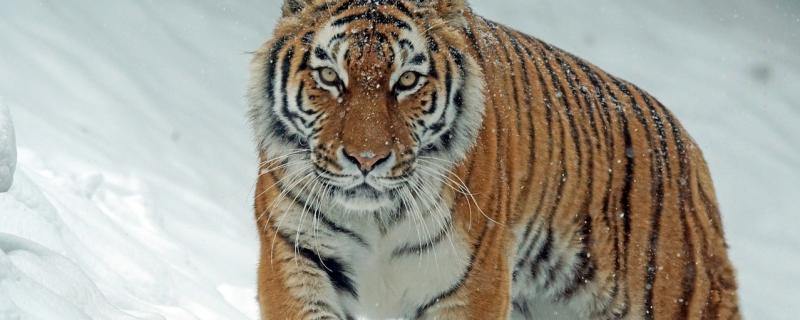
Two Russian institutes—A.N.Severtsov Institute of Ecology and Evolution and Moscow State Agricultural University, and the Centre for Cellular and Molecular Biology, India, have compared the chemical contents of the faecal matter of the Amur and Bengal tigers to examine the stress levels of these tigers in India and Russia.
Do you remember poking a plant that quickly closed its leaves, seemed to droop and shy away? An introvert among plants and a favourite among all of us, the touch-me-not or chuimui in Hindi, is aptly named Mimosa pudica by scientists, where pudica is Latin for shy or chaste. We have all enjoyed seeing it fall asleep; probably wondering what happened inside the plant and perhaps waiting with curiosity for it to reopen!

Bengaluru

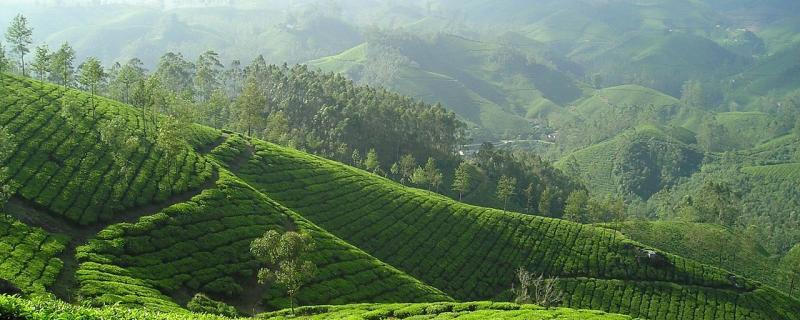
Researchers from IISER, Tirupati, ATREE, Bengaluru, Hume Centre for Ecology and Wildlife Biology, Kerala and The Gandhigram Rural Institute, Tamil Nadu, studied the factors responsible for the deleterious effects on the Shola grasslands of the Western Ghats.

Ladakh

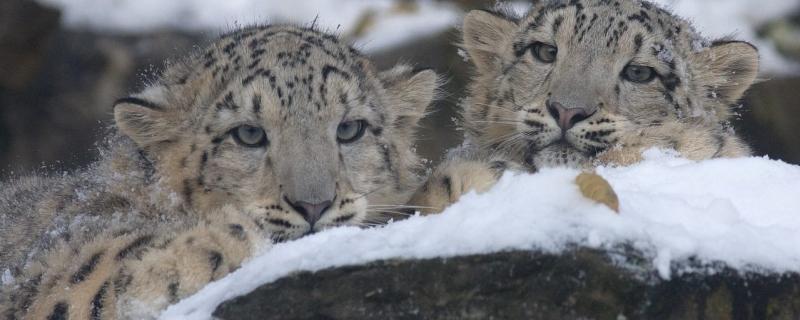
SLC-IT, along with researchers from Panthera, New York, USA, have attempted to model the conditions for a suitable habitat for snow leopards in Ladakh. Known as the ‘snow leopard capital of the world’, Ladakh is thought to harbour 60% of the snow leopard population in India. In this first-of-its-kind study, they have used data from direct observations and camera traps.

Bengaluru

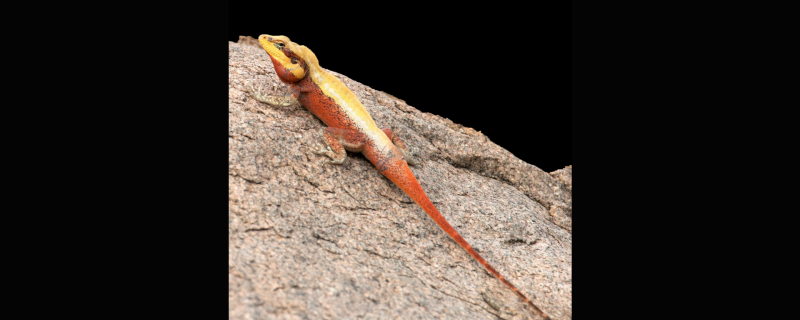
Researchers from IISc studied whether urban environments adversely affect the health and fitness of urban lizards.

Bengaluru

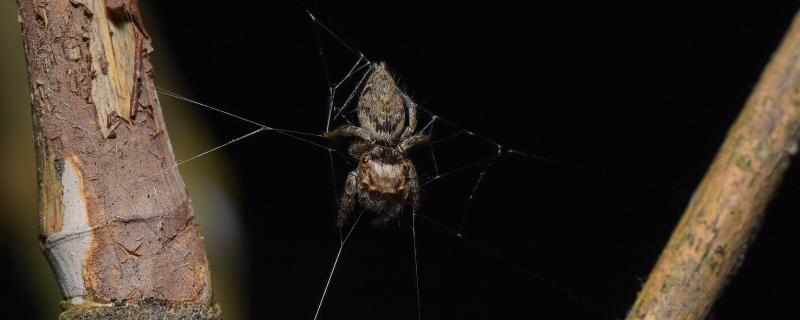
Jumping spider Anarrhotus sp. found to build an orb-web as a nocturnal retreat, unusual for a spider from the Salticidae family. 

Nagpur

The changing climate is taking a toll everywhere on the planet, and the fragile, biodiversity-rich ecosystems of the Himalayas are no exception. In a recent study, researchers from the CSIR-National Environmental Engineering Research Institute, Nagpur, and Society for Conserving Planet and Life, Uttarakhand, have reported how changes in the Himalayan climate could affect the habitat of seabuckthorn, a medicinal plant which grows in the region.

Dehradun

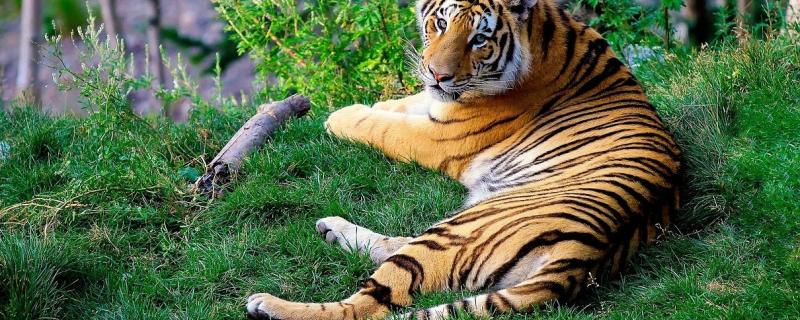
Researchers from the Wildlife Institute of India have reported the first photographic evidence for the majestic tiger in the Eastern Himalayas at altitudes as high as 3,630 m.

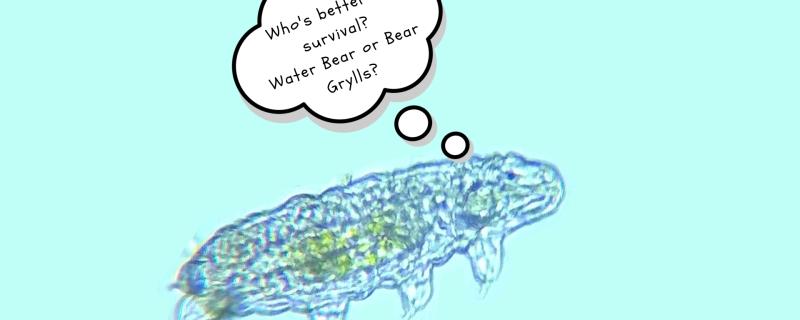
Water is essential in biochemical processes needed for the survival of living organisms. Humans can survive without water for about 2-7 days. However, there exists an animal so resilient that it can withstand water scarcity for decades! Tardigrades, also called water bears, are small aquatic animals that are about 1.2 mm long with a head and four pairs of clawed legs, looking like cute little gummy bears.

Bengaluru

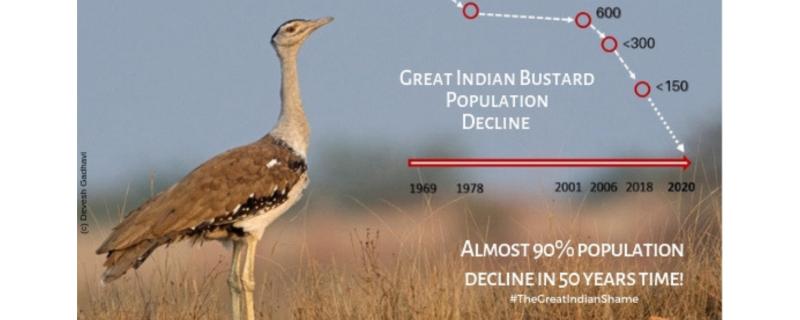
Standing a metre tall and weighing up to a whopping 18 kilograms, the Great Indian bustards (GIB) are one of the heaviest flying birds on Earth. Yet, they are unable to ‘throw their weight around’ in this world dominated by us. Their numbers have drastically declined by nearly 90% in the last 50 years, and the future of these charismatic birds look very bleak. They are now in a tight race against time for their survival, and if things don’t change fast, they could be the first species to go extinct in independent India.

Search Research Matters