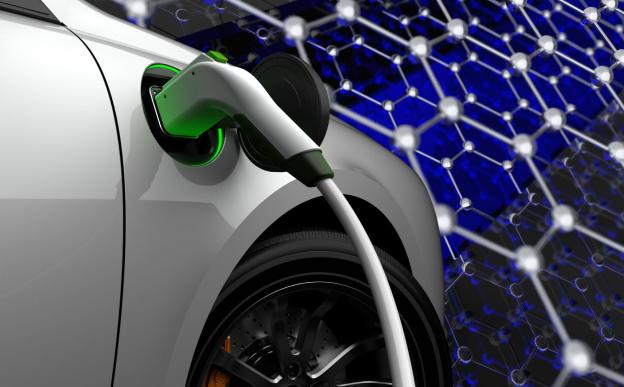
Research reveals that graphene-enhanced batteries can slash electric vehicle charging times by up to 27% while cutting battery weight by more than half, potentially solving the biggest hurdles to green transportation.

General

Bengaluru

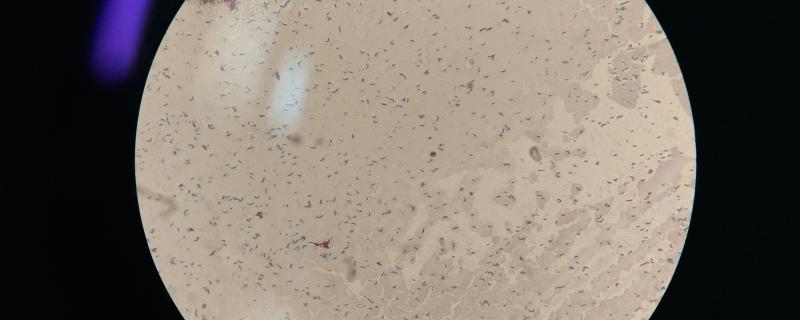
Researchers from the Indian Institute of Science, Bengaluru, display how a class of toxins, called the pore-forming toxins, work to destroy our cells.
Meghalaya

The field of material science has become exciting in the recent past with scientists discovering some remarkable properties and behaviour of novel materials. In one such study,  researchers from the National Institute of Technology, Meghalaya, India, and the New York University Abu Dhabi, UAE have designed a versatile crystal material that can be twisted with heat, bent with light, is elastic and can heal itself by heating or cooling.

Delhi

A collaborative study by researchers from Punjab University, Indian Institute of Technology (IIT) Delhi, Banasthali University, TERI University and the Jawaharlal Nehru University has identified how a particular gene in Mycobacterium tuberculosis, the causative agent of tuberculosis (TB), mutates to avoid the action of antibiotics.

Bengaluru

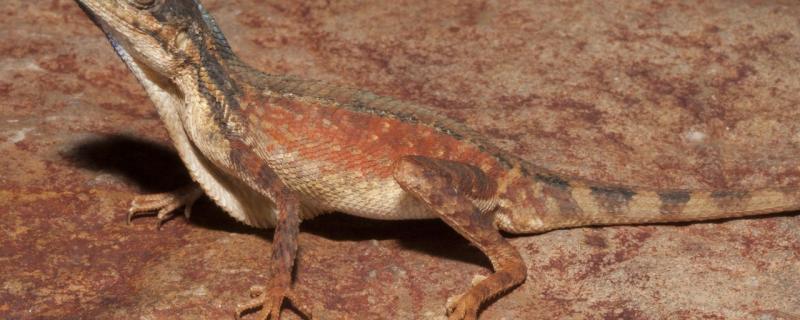
Researchers from the Indian Institute of Science, Bangalore and the Natural History Museum, London, discover two new species of Fan throated lizards in the barren outcrops of the Deccan Plateau. 

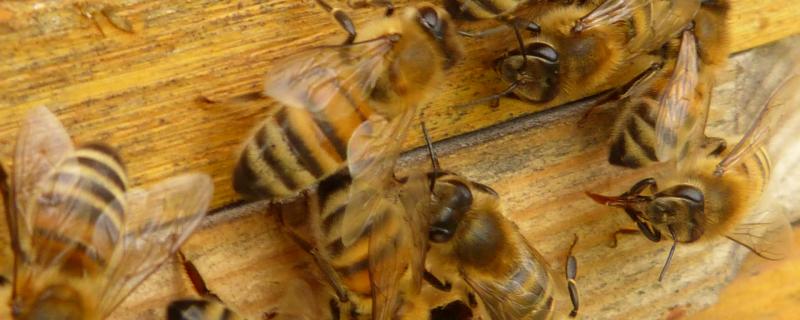
If you were a travelling salesman, who travels to many places selling something, the most challenging part of the job is to find the shortest route to these places without visiting any of them twice. But, did you know many birds, animals and even insects like bees solve a similar problem in their daily lives while searching for food?

Mumbai

Scientists from the Indian Institute of Technology, Bombay, find relationship between the number of copies of a particular set of genes and the size of the amoeba viruses that help these viruses to gain easy entry into their host.

Bengaluru

When a disaster strikes, every moment that is saved could help save a few precious lives. Now, a recent study by researchers from the Indian Institute of Technology Kharagpur has proposed a mechanism in which faster, cheaper and personalised response could be provided to the victims during disasters with the use of Wireless Body Area Networks (WBANs).

Mandi

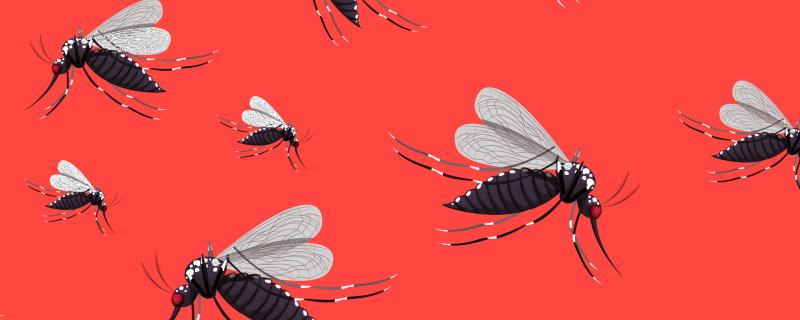
Chikungunya fever is a major public health issue that infects many during the monsoon season. The most recent outbreak in India was in 2016, and in the last three years, the number of chikungunya cases in India has increased by a whopping 390 per cent. Caused by a mosquito-borne virus, there are no vaccines or specific treatments for this disease at the moment.

Mumbai

In a new study, researchers at the Indian Institute of Technology Bombay, have designed a biosensor using gold nanoparticles that can identify the presence of a protein called alpha-synuclein.  The newly developed biosensor uses optical fibres to identify these proteins even in very low concentrations and can do so in just 15 minutes of time.

Bengaluru

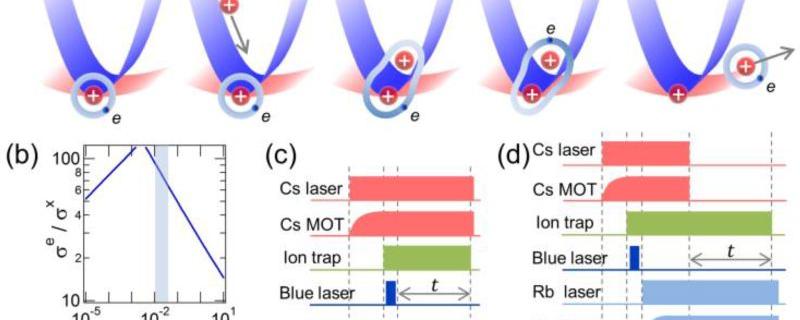
Researchers Sourav Dutta and Sadiq Rangwala at the Raman Research Institute (RRI), Bengaluru have developed a novel method of cooling ions based on a phenomenon called resonant charge exchange (RCE).

Search Research Matters