Researchers use radar data from satellites to estimate parameters that determine the growth of soy and wheat.

A new review reveals that rising global temperatures, increased pollution, and extreme weather events are driving a global surge in eye diseases, disproportionately affecting vulnerable communities and challenging healthcare systems.
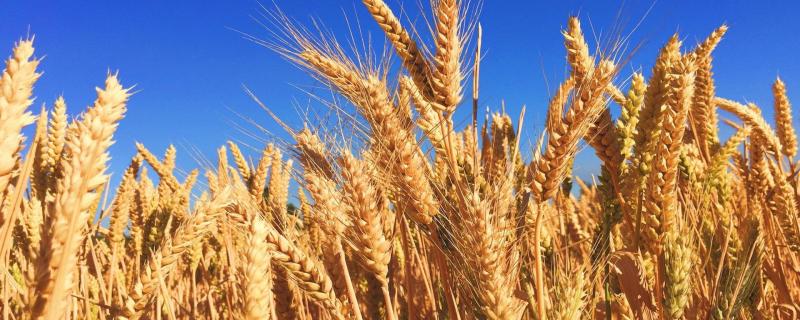
Researchers use radar data from satellites to estimate parameters that determine the growth of soy and wheat.
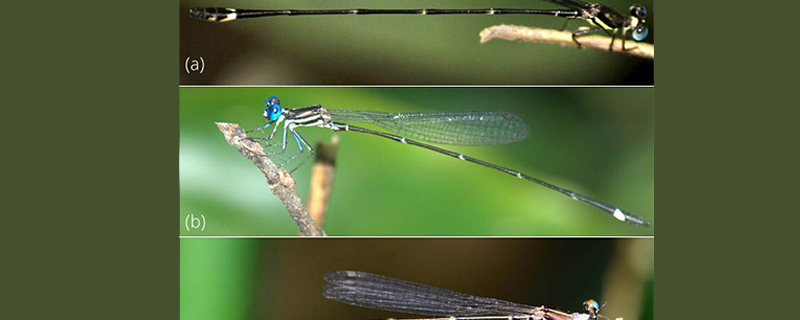
(a) Shola reedtail (Protosticta sholai) [Image credits: K. A. Subramanian]; (b) blue-legged reedtail (Protosticta cyanofemora) [Image credits: Shantanu Joshi]; (c) Myristica reedtail (Protosticta myristicaensis) [Image credits: Shantanu Joshi]
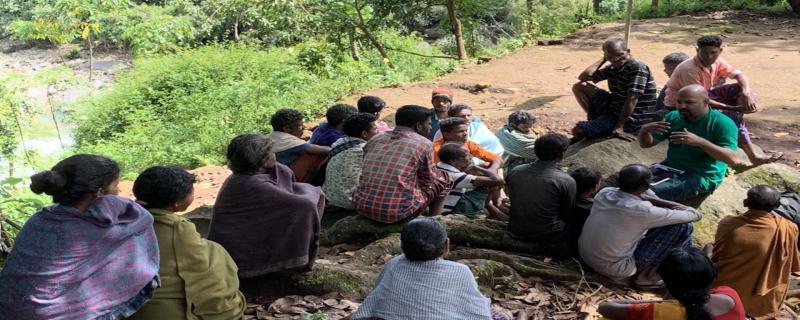
In 2013, over 50 infants died in Attapadi —a protected area in the Palakkad district of Kerala. This incident, and more deaths in the subsequent years, put the spotlight on the health of the tribal population that lives here. Several underlying health issues, including malnutrition and infant mortality, were identified to be rampant. Both the central and state governments responded with a financial package to provide healthcare and related facilities to these communities free of cost. Seven years later, a new study has found that free healthcare hasn't solved the problem of poor access to healthcare and high levels of infant mortality.
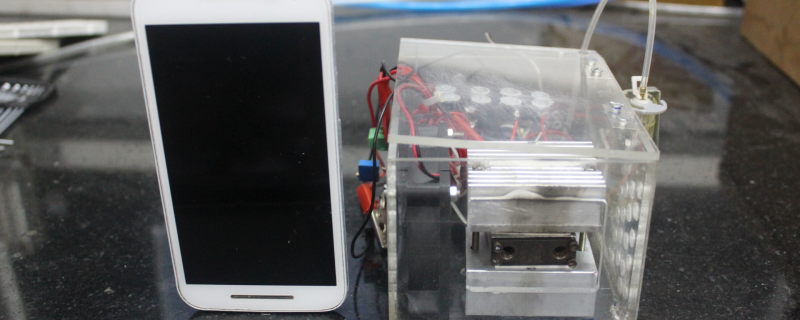
Scientists around the world have been actively looking for eco-friendly alternatives to conventional chemical-based batteries. In one such effort, researchers at the Indian Institute of Technology Bombay (IIT Bombay) have designed a micro-combustor that is efficient and environment-friendly. The study, funded by the Science and Engineering Board (SERB) and Department of Science and Technology (DST), has been published in various journals including Applied Physics Letters, Energy Conversion and Management, and Applied Energy.
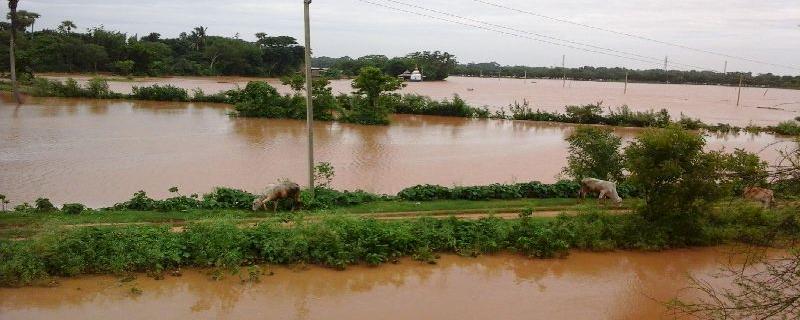
Scientists use a combination of global and local data to predict flood hazard in risk-prone villages.
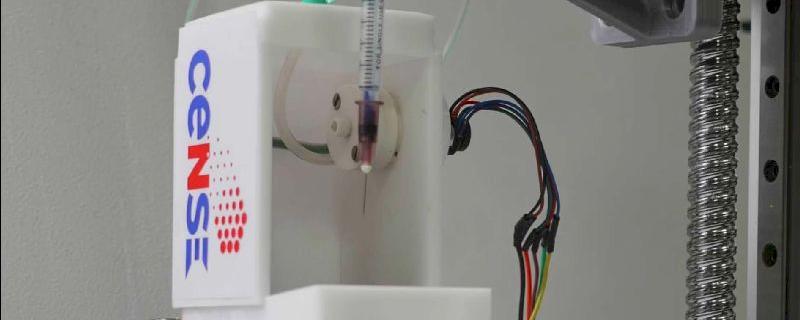
Researchers at the Indian Institute of Science have developed a new technique that can effectively print a wide range of liquids inks including biopolymers, biological solutions containing cells, as well as water-based inks.
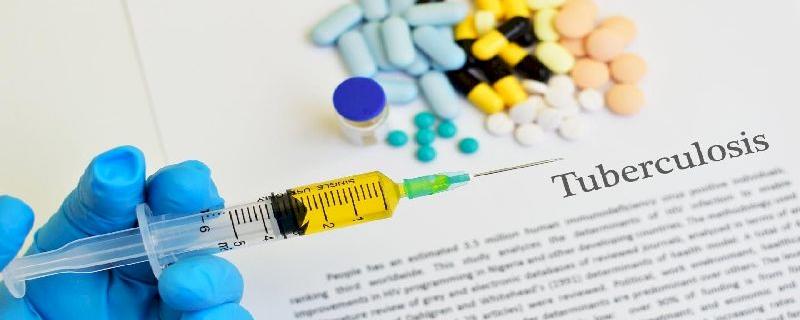
In a recent study, researchers from Pune, along with their collaborators in Chennai and the USA, have assessed the functioning of lungs after successful tuberculosis (TB) treatment. The study, published in the journal PLoS ONE, has shown the occurrence of lung defects and chronic obstructive pulmonary disease after tuberculosis treatment.

In a recent study, researchers from the Indian Institute of Technology Bombay (IIT Bombay) have examined how the structure of leaves of the taro plant (Colocasia esculenta) helps in repelling water.
In a recent study published in Nature Communications, researchers have described a new statistical method, ‘LinTIMaT’, for reconstructing cellular lineages, giving scientists the ability to deduce the evolution of cells in a biologically growing system.