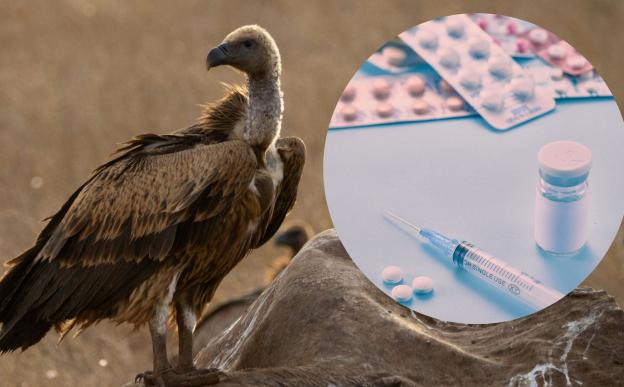
Despite successful bans on the veterinary drug diclofenac in Nepal and parts of India, a decade-long undercover investigation reveals that toxic alternatives like flunixin and nimesulide are rapidly replacing it, posing a renewed existential threat to the region’s critically endangered vulture populations.

General

Bengaluru

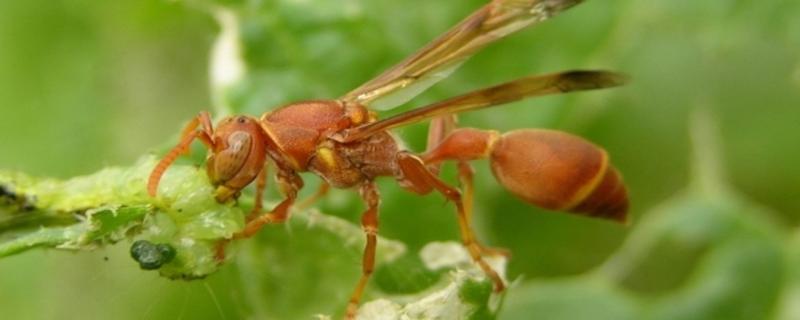
Study shows how paper wasps use the space in their nests to feed their larvae and fend off diseases.
Bengaluru

Study explores the factors behind missing women in India’s healthcare.

Bengaluru

Among the various types of cancer, Urothelial Bladder Cancer (UBC) is responsible for around 2 lakh deaths per year around the world. This cancer affects the inner lining of the bladder and is the most common form of bladder cancer. It usually affects aged individuals, with blood in urine and painful urination as the first sign of its manifestation. Conventional methods of treatment involve surgical removal of cancerous tissue in the bladder and chemotherapy.

Bengaluru

In a study, researchers at the Indian Institute of Technology, Rupnagar, have explored how prey is caught and retained by a healthy spider web when compared with a damaged one. The study, published in the journal Philosophical Transactions of the Royal Society A, was featured under the theme 'Bioinspired materials and surfaces for green science and technology'. The researchers studied the webs of St Andrew's Cross spider (Argiope aetherea), which builds orb-webs and belongs to the Araneidae family.

Bengaluru

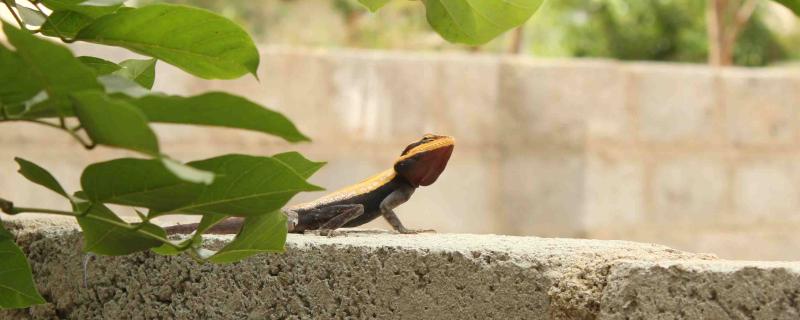
Bengaluru, once called the ‘garden city’, has today traded its greenery for the grey tones of cement. The mushrooming buildings have not only changed the city for its human inhabitants but also for animals that once called this land home. Like us, these animals try to adapt to a new and ever-changing world by learning the tricks and trades necessary to thrive. Now, a study by researchers from IISc has discovered that lizards in the city’s suburbs are street smart, and learn faster than their rural brethren, to stay safe.

Bengaluru

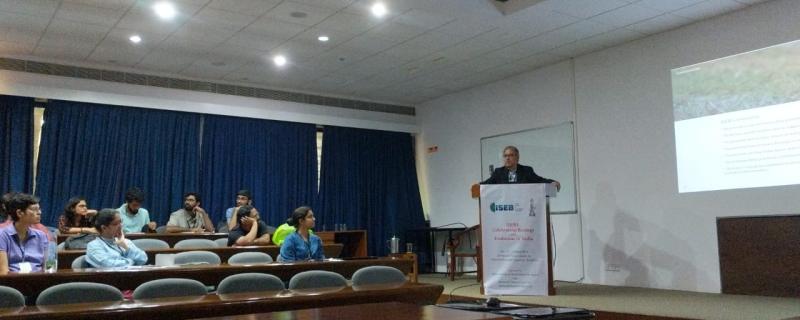
The Indian Society of Evolutionary Biologists (ISEB), an independent consortium of researchers and faculty working on evolutionary biology in India, is holding its first conference on the 24th and 25th of October, 2019, at the Jawaharlal Nehru Centre for Advanced Scientific Research (JNCASR), Bengaluru. The two-day meeting is themed around ‘Celebrating Ecology and Evolution in India’. It is bringing together eminent researchers and students across the country, who are actively involved in research on evolutionary biology.

Bengaluru

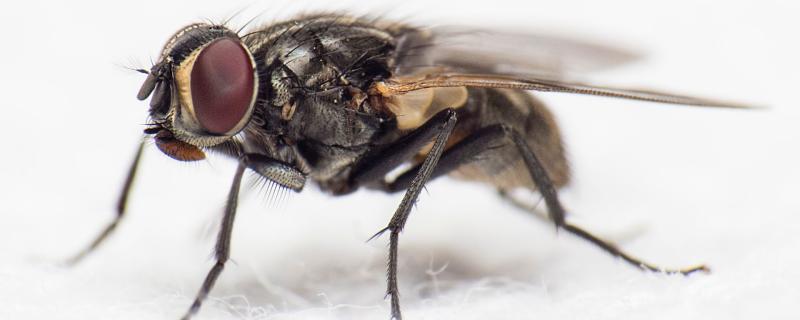
In a new study, researchers from the National Centre for Biological Sciences (NCBS), Bengaluru, and the Pennsylvania State University and Colorado State University in the USA, have studied how flies land on ceilings. The researchers have also explored how the fly’s brain integrates visual and balance-related inputs from the surroundings to generate appropriate movement in the wings and legs to achieve a perfect landing.

Bengaluru

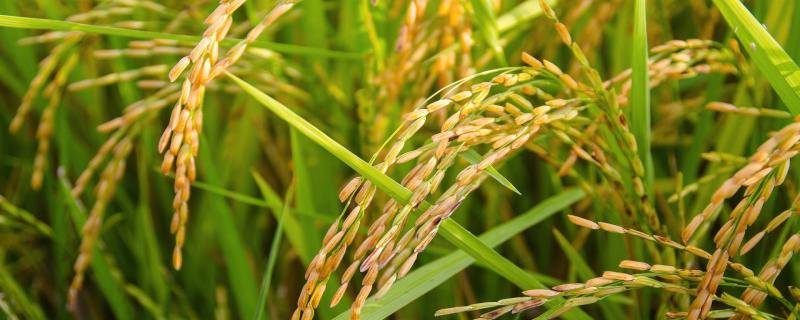
In a country that predominantly depends on rain for irrigation, loss of crops due to disruptive weather continues to be a source of distress to farmers, and approaches to make crops tolerant to the vagaries of weather are necessary. In a recent study, researchers have shown that, by modifying particular genes, rice plants can be kept alive through periods of acute salinity in their water supply. 

Bengaluru

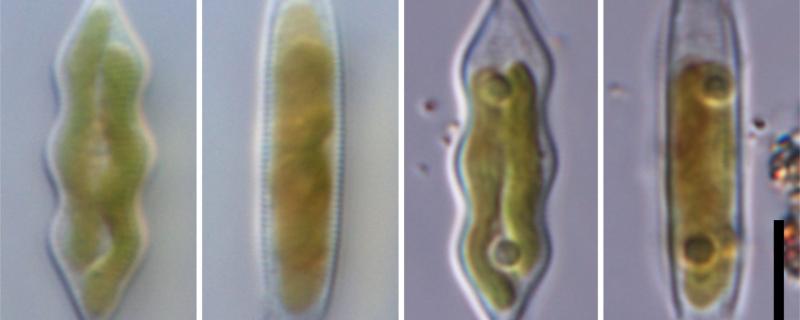
In a recent study, researchers from Agharkar Research Institute, India, Harbin Normal University, China and the University of Colorado, USA, have described a new genus of diatoms called Kulikovskiyia. Diatoms belonging to this genus are currently found only in the Western Ghats of India and Hainan Province of China. The study, funded by the Science and Engineering Research Board, was published in the journal Phycological Research.

Bengaluru

The use of vaccination for preventing diseases has had the most profound effect on human health and quality of life. Despite this, anti-vaccination movements are gaining popularity in recent years, especially in high income countries with historically near universal vaccine coverage, like the USA. Consequently, cases of diseases like measles have seen a 30% rise globally. Vaccine hesitancy has been declared one of the top ten threats to global health by the WHO in 2019. In times like these, what if science showed some added benefits of vaccination besides the obvious? A recent set of studies by a team of international researchers, led by those at the Center for Disease Dynamics, Economics & Policy (CDDEP), Washington DC and New Delhi, have shown that vaccines can have other unintentional positive effects.

Search Research Matters