General

Bengaluru

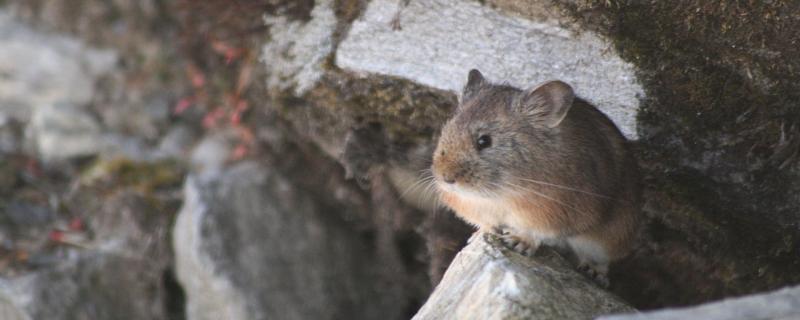
It’s getting tougher for the Royle’s pikas to survive in the Himalayas. But, these tiny, herbivores wouldn't move as they are particular about where they live. Restricted to rocky, mountainous terrains, they are now facing the wrath of rising temperatures and fluctuating environments. What would become of them in a few more decades? Can these fussy relatives of the rabbit find new homes and thrive? A new study by researchers from the Indian Institute of Science, Bengaluru and the Wildlife Institute of India, Dehradun tries to find out what the future holds for them, and that the findings are not good news.
Bengaluru

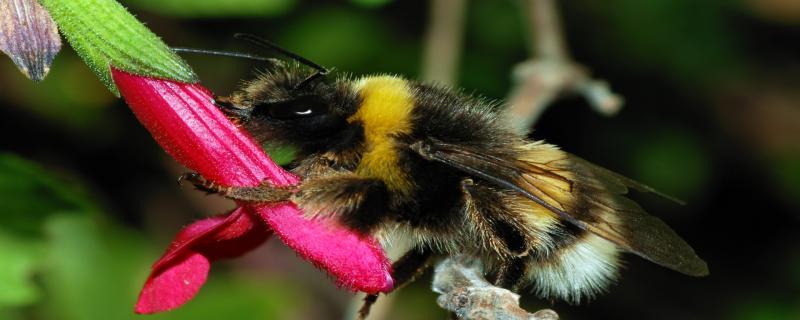
A first-of-its-kind study details diversity and distribution of bumblebees in the Eastern Himalayas. 

Bengaluru

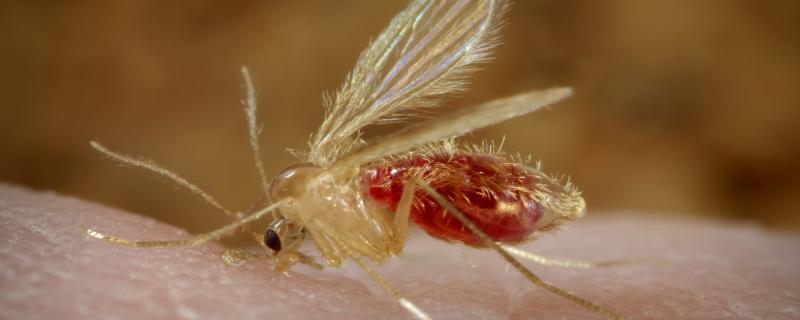
Visceral leishmaniasis, or kala-azar, is an insidious disease that affects thousands of people every year. This illness can be fatal, if not diagnosed and treated on time. However, despite best efforts, India still lags behind in eliminating this disease completely. A recent study published in the journal PLOS Neglected Tropical Diseases has investigated the factors that lead to the delayed diagnosis and treatment of kala-azar.

Bengaluru

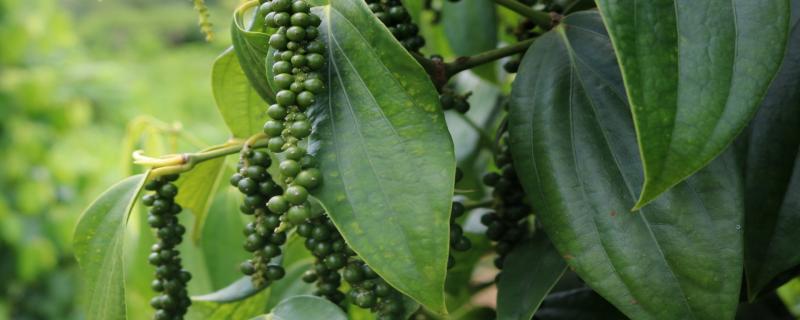
A team of researchers from the ATREE, Bengaluru, Concordia University, Canada, Quebec Centre for Biodiversity Science, Canada, and Jawaharlal Nehru Tropical Botanical Garden and Research Institute, Kerala, have traced the biogeographical origins of Piper genus in India.

Hyderabad

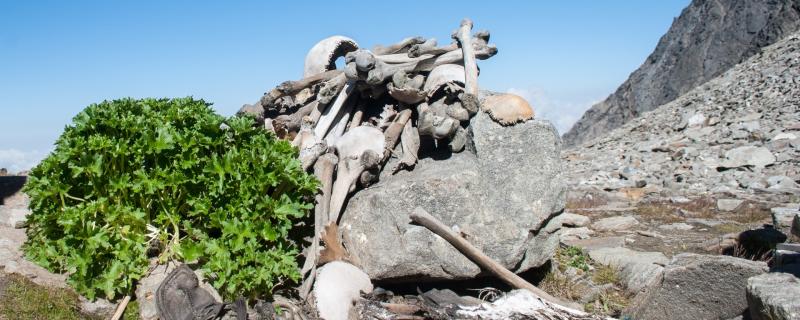
Roopkund is a small Himalayan glacial lake in Uttarakhand, situated at an altitude of about 16,470 feet. With its breathtaking scenery, it is a popular trekking destination. However, there is more to this mysterious lake—hundreds of ancient human skeletons lie scattered here, earning it the name ‘skeletons lake’. In a recently published decade-long study, an international team of researchers seem to have traced the origins of these puzzling skeletons.

Bengaluru

Researchers from the Zoological Survey of India describe a new species of bee Melitta indica from Uttarakhand, India

New Delhi

Researchers from Savitribai Phule Pune University have identified two strains of fungi, Aspergillus terreus and Aspergillus sydowii, which can degrade polythene under laboratory conditions.

Bengaluru

Researchers from Singapore, Thailand and the USA, have created an antidiabetic medicine using extracts from Withania coagulans, commonly known as the Indian Rennet or paneer dodi.

Chennai

Researchers from Sankara Nethralaya, Chennai, SASTRA University, Thanjavur and Elite School of Optometry, Chennai have studied how the environmental factors of a classroom affect a student’s clarity of vision.

Bengaluru

About 6,000 years ago, an unfortunate dog suffered from a relatively rare form of cancer. Since then, unlike any other cancer, its cancer cells were swiftly transmitted from one dog to another. Today, this age-old ailment has a name—Canine Transmissible Venereal Tumour or CTVT.  In a  recent study, they traced the history of CTVT to Asia, and in the process, helped understand the evolution of cancer in the long term.

Search Research Matters