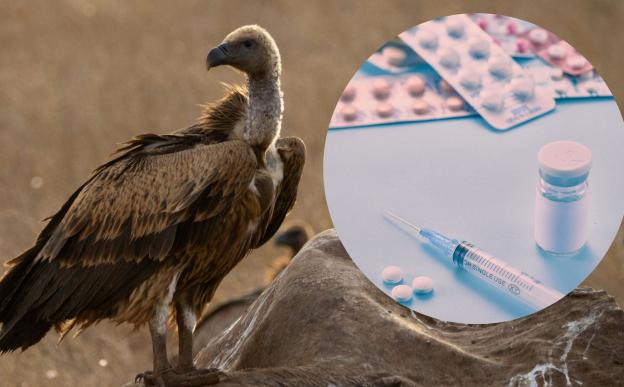
Despite successful bans on the veterinary drug diclofenac in Nepal and parts of India, a decade-long undercover investigation reveals that toxic alternatives like flunixin and nimesulide are rapidly replacing it, posing a renewed existential threat to the region’s critically endangered vulture populations.

General

Bengaluru

About 6,000 years ago, an unfortunate dog suffered from a relatively rare form of cancer. Since then, unlike any other cancer, its cancer cells were swiftly transmitted from one dog to another. Today, this age-old ailment has a name—Canine Transmissible Venereal Tumour or CTVT.  In a  recent study, they traced the history of CTVT to Asia, and in the process, helped understand the evolution of cancer in the long term.
Bengaluru

Bengaluru’s decreasing tree cover and expanding concrete jungle in recent decades paints a grim picture of the city’s biodiversity. The tales of sparrows nesting on the roofs, parakeets pecking on the juiciest fruit in the backyard tree or the myriad coloured butterflies dancing in the garden are now fragments of imagination! So where have all the birds, animals and insects gone?

Mumbai

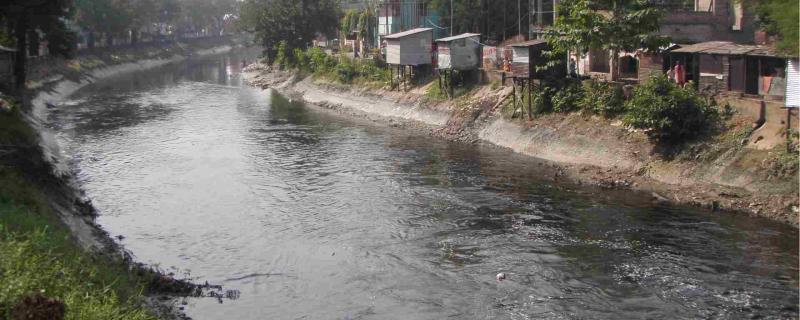
Researchers identify a bacterial strain that prefers aromatic pollutants over sugar as food 

New Delhi

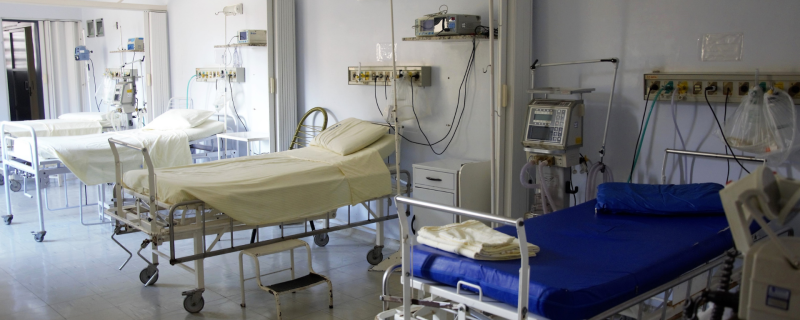
A recent study by researchers at the University of Delhi, Vardhman Mahavir Medical College and Safdarjung Hospital, Delhi and the SMiLE Incubator, Sweden have found alarming cases of drug-resistant bacteria in patients admitted to intensive care units (ICUs). 

Gurugram

India is facing a severe crisis in the availability of skilled healthcare professionals, finds a study by the Indian Institute of Public Health (IIPH).

Kerala

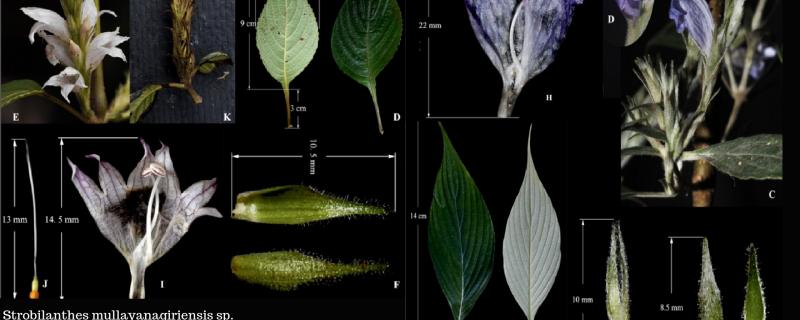
Every 12 years, the landscape of the Nilgiri Hills is covered with a blanket of purplish blue hues, thanks to the flowers of Strobilanthes kunthianus or Neelakurinji. In a recent study, researchers from the Carmel College Mala, Kerala, St. Thomas College Palai, Kerala, St.

Mumbai

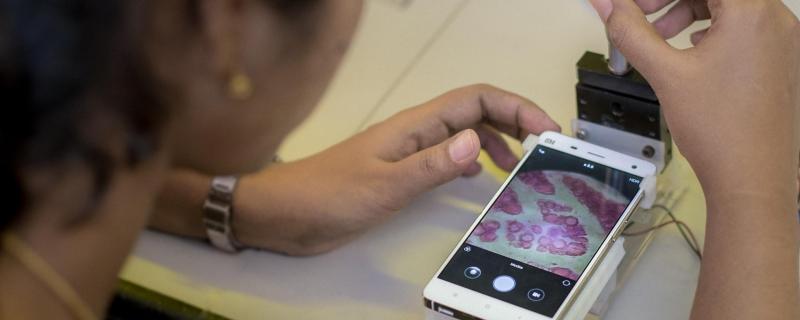
IIT Bombay researchers develop techniques to make tiny, inexpensive lenses that can be used on smartphones.


Mumbai

Researchers from the Indian Institute of Technology Bombay (IIT Bombay) suggest that better conductivity of oil may help water droplets come together. Their findings may impact the design of electric field-based oil dehydrators.

Mumbai

Researchers devise a model for fostering rural entrepreneurship, generating sustainable livelihoods and tackling poverty


Bengaluru

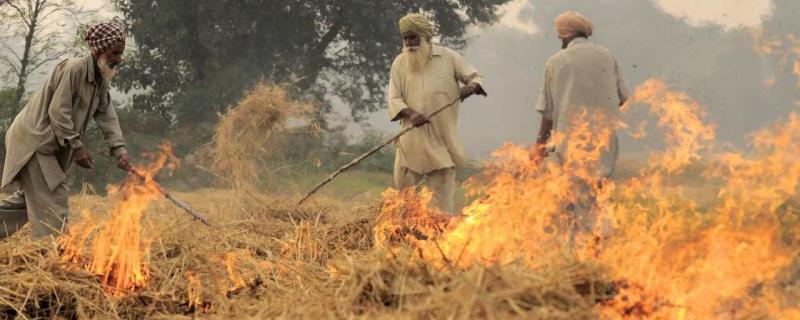
Researchers from The Nature Conservancy (TNC), USA, and collaborators from different institutes in India, discuss the agricultural practice of burning crop residues and find alternative solutions.

Search Research Matters