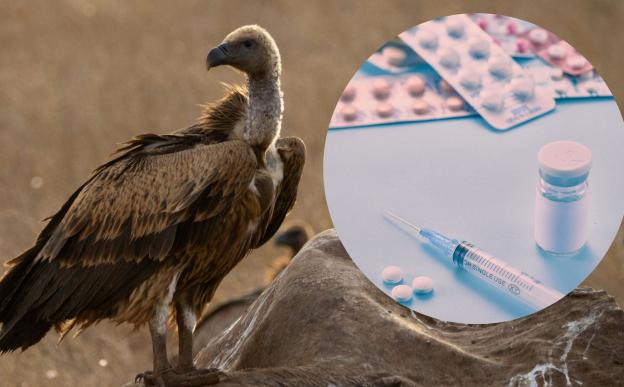
Despite successful bans on the veterinary drug diclofenac in Nepal and parts of India, a decade-long undercover investigation reveals that toxic alternatives like flunixin and nimesulide are rapidly replacing it, posing a renewed existential threat to the region’s critically endangered vulture populations.

General

Bengaluru

Scientists from Indian Institute of Science (IISc), Bengaluru, have developed a novel detonation–driven shock tube device for needle-free, painless drug delivery method. If commercialized the technology could replace the dreaded injections used in drug delivery.
Odisha

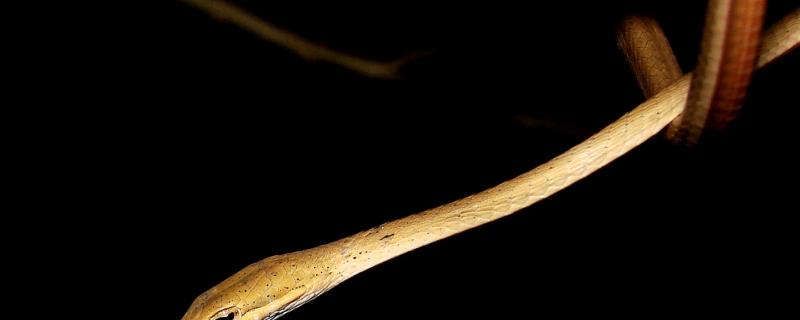
Researchers from the Natural History Museum, London, Wayanad Wild, the Wildlife Institute of India, Nature, Environment and Wildlife Society, and the Zoological Survey of India discover a new species of vine snake Ahaetulla laudankia in Odisha, India.

Guwahati

The extensive use of fireworks, particularly during festivals like Diwali, releases large amounts of harmful gases and toxic substances into the atmosphere. As a result, the air gets polluted and can affect our health. In a recent study, researchers from the Indian Institute of Technology Guwahati and the Indian Institute of Technology Delhi have analysed the excessive air and noise pollution caused by firecrackers during Diwali and their potential impact on health.

Imagine yourself enjoying the comforts of your home when you feel a sudden change in the atmosphere, and before you find out why, your skin starts to burn and you can hardly breathe. That’s when you realise that the place you have been living since ages has suddenly become a living hell.  Welcome to the world of marine animals!

Bengaluru

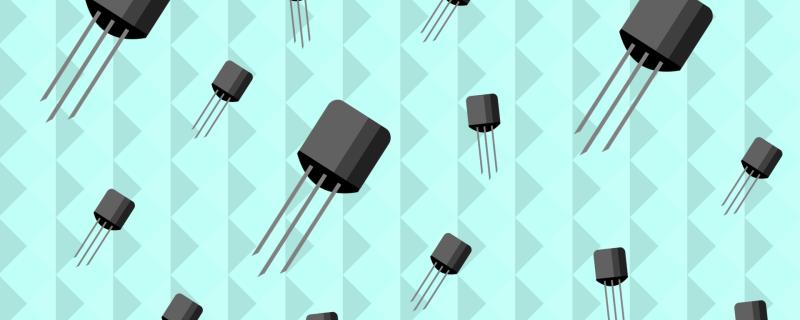
All the electronic devices that we use today have components made of semiconductors, mostly silicon. In recent years, gallium nitride, another semiconductor, is making its way into electronics. It is better suited for high power and high-frequency applications. Researchers from IISc have developed India’s first-ever e-mode gallium nitride power transistor, whose performance is comparable to some of the best reports till date.

Coimbatore

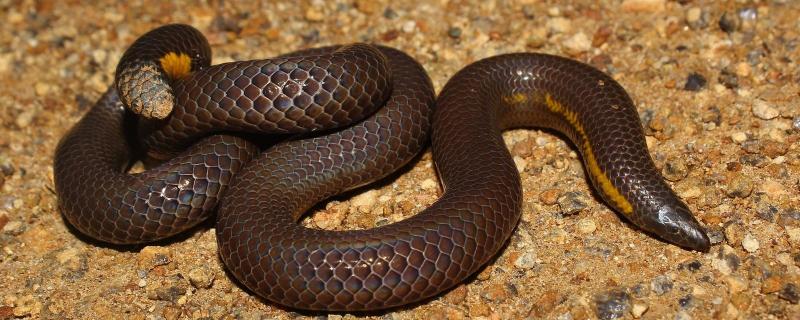
Researchers from the Sálim Ali Centre for Ornithology and Natural History (SACON), Coimbatore, and the Natural History Museum (NHM), London, UK, discover a new species of shieldtail snake, Uropeltis Bhupathyi, from the Anaikatty Hills in Coimbatore, Tamil Nadu.

Hyderabad

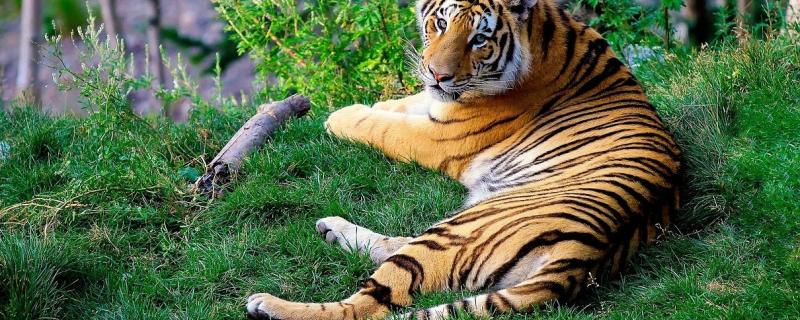
Two Russian institutes—A.N.Severtsov Institute of Ecology and Evolution and Moscow State Agricultural University, and the Centre for Cellular and Molecular Biology, India, have compared the chemical contents of the faecal matter of the Amur and Bengal tigers to examine the stress levels of these tigers in India and Russia.

Kanpur

Researchers at the Indian Institute of Technology, Kanpur, have developed a biomolecule-based fertiliser that can help address the drawbacks of chemical fertilisers. 

New Delhi

A multi-national team of scientists spanning Asia, Europe, South America and Australasia, including researchers from the Indian Institute of Technology Delhi, have surveyed nearly 17,000 people across 39 countries to understand why interpersonal relationships differ between societies.

Do you remember poking a plant that quickly closed its leaves, seemed to droop and shy away? An introvert among plants and a favourite among all of us, the touch-me-not or chuimui in Hindi, is aptly named Mimosa pudica by scientists, where pudica is Latin for shy or chaste. We have all enjoyed seeing it fall asleep; probably wondering what happened inside the plant and perhaps waiting with curiosity for it to reopen!

Search Research Matters