Science

Kharagpur

Researchers at IIT-Kharagpur have published a study on prediction of Esophageal cancer using data locally collected by a Mumbai hospital and machine learning algorithm. Their results could help us do away with expensive and invasive tests while diagnosing cancers.
Bengaluru

Dr. Prathima Iengar, scientist from Indian Institute of Science, Bengaluru has been studying the different biological process that are affected by cancer. Her new study throws light on the genes and pathways that are most affected in cancer. 

Bengaluru

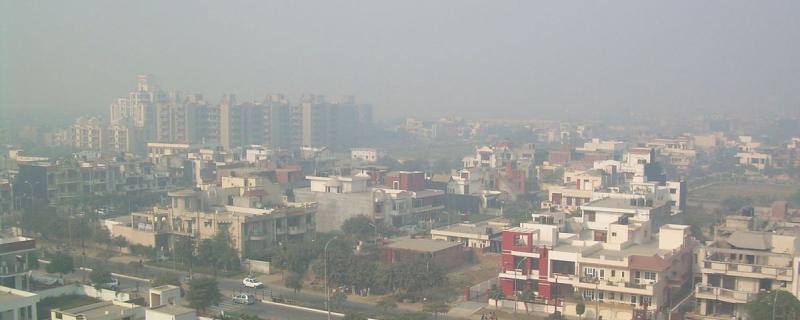
In a new study, to be published in the journal Aerosol and Air Quality Research, researchers from the Indian Institute of Technology Bhubaneswar, take a closer look at various factors that caused air pollution during Diwali of 2016. 

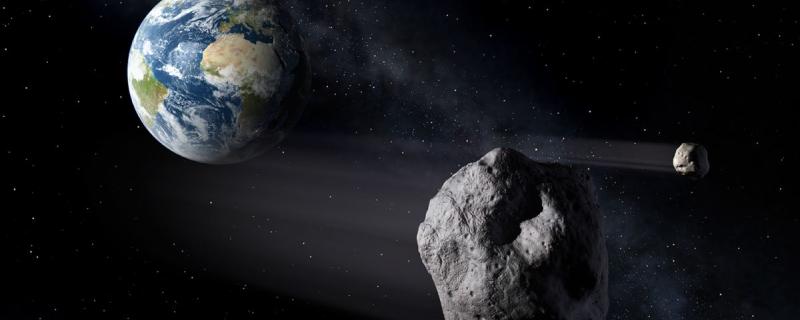
In 1908, a meteoroid (a small asteroid) exploded in the atmosphere near the Stony Tunguska River in Eastern Siberia, flattening over 2000 square kilometres of forest. Luckily, the region was very thinly populated, and there were no casualties. But, our Earth is not always that fortunate! Billions of years ago, our planet is thought to have been struck by many such asteroids, creating a dent on its surface.

London, UK

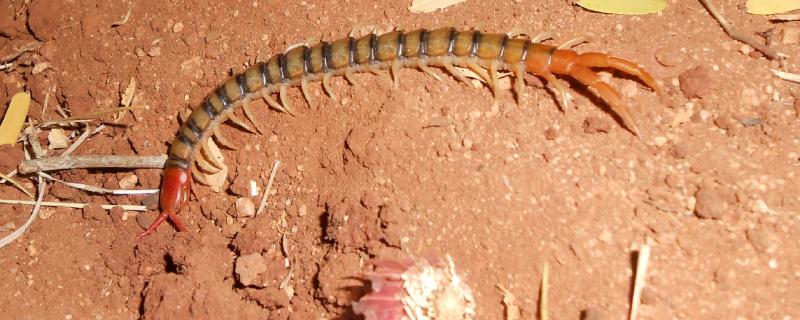
In a new study to be published in the journal ‘Invertebrate Systematics’, researchers Dr. Jahnavi Joshi and Dr. Greg Edgecombe from the Natural History Museum, London, have set out to determine the species boundaries of an old-world tropical centipede from the genus ‘Ethmostigmus’, from Peninsular India.

Bengaluru

Scientists from the Indian Institute of Science, Bengaluru study how and why animals from different species interact with each other. 

Bengaluru

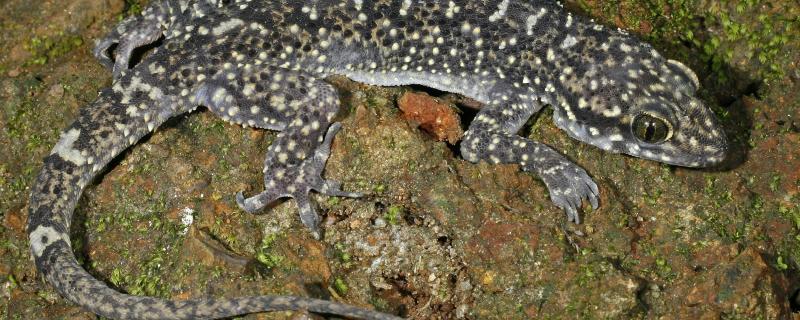
A new addition to the list of endemic reptiles is a rock-dwelling gecko named Hemidactylus paaragowli, discovered in the hills of Kerala. 

Imagine streaming a movie through your tube light or accessing the Internet through a street lamp. Light Fidelity (Li-Fi), a new communication system developed by Professor Harald Hass, can actually achieve this!

Kanpur

After graphene, carbon nanocones are now an exciting form of carbon for material scientists. As the name suggests, they are conical structures made up of carbon, where graphene sheets are folded like a party cap with a height and diameter of a few nanometers (1 nanometer = 1/1,000,000,000th of a metre). With unique properties due to their conical shape, they have a wide range of applications, including being used as a tip of the probe of a high precision microscope used to record activity at an atomic level.

Goa, India

Researchers from National Institute of Oceanography, Goa have studied seasonal distribution of single celled organisms with shells known as forams or foraminifera, in the mudbanks of Allepy, Kerala. The study was conducted to understand the response of forams to physical and chemical changes in the environment associated with the mudbank formation.

Search Research Matters