Research reveals that graphene-enhanced batteries can slash electric vehicle charging times by up to 27% while cutting battery weight by more than half, potentially solving the biggest hurdles to green transportation.

Science


[field_op_main_image]

With the increasing use of electrical and electronic devices, the amount of ‘electronic waste’ that we generate is quickly filling up our landfills. Recycling electronic waste or e-waste is a challenge due to the emission of poisonous gases in the process. Now, a new study has designed various adsorbents to be used in the process of recycling by burning the e-waste. By using these adsorbents, the researchers hope, could make the whole process less toxic for the air and for ourselves.
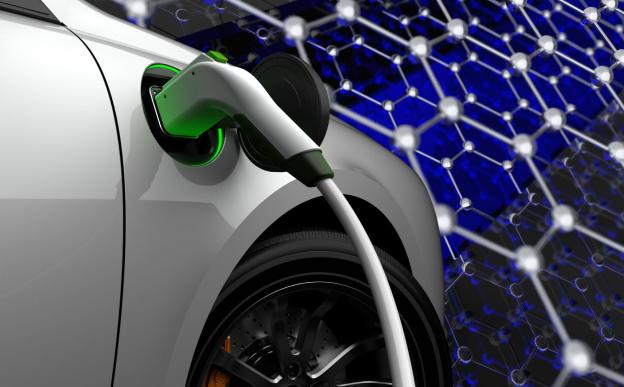
Batteries come in all shapes and sizes, and power the modern world, from the tiny hearing aid and gadgets like wrist watches, smartphones, laptops and camera, to large entities like cars and trucks! Irrespective of their shape, size and function, the working principle behind all batteries is pretty much uniform: two electrodes – an ‘anode’ attracting negative ions and a ‘cathode’ attracting positive ions – connected by an electrolyte, undergo redox reactions to help convert other forms of energy into electrical energy.


[field_op_main_image]


If pictures say a thousand words, what would a collection of hundreds of pictures say? A fascinating chronicle indeed! That’s what Dr. Navendu Page’s newly launched book is.

 Riboflavin or vitamin B2 is a water-soluble vitamin that acts a co-enzyme and is required for cellular respiration. Riboflavin can neither be synthesized by the human body, nor be stored in the body, owing to its water-soluble nature. Thus, we need to regularly supplement the levels of riboflavin in our body through dietary intake. Today, although found in various foods like eggs, green vegetables, milk and meat, there are numerous cases of riboflavin deficiency occurring on a regular basis.


[field_op_main_image]

Eyes have been described as one of the most beautiful organs of our body that is our window to the world, quite literally. But not everyone is fortunate to look through that window crisp and clear. Millions today suffer from blindness in the eyes due to many medical conditions. The good news is that some type of blindness like corneal blindness is completely curable, provided there is a generous soul that decides to donate his/her eyes at the time of death. Eye donation is slowly gaining awareness and many today are pledged donors. But how does one become a donor? How is the cornea taken from the donor and what is the status of eye donation in India? Find out more on the account of National Eye Donation fortnight.

Unicellular microalgae cells living in freshwater sources are constantly exposed to stimuli and stresses of all kinds, be it changes in temperature, salinity, drought or pathogenic attacks. With climate change and rapid diminishing glaciers, these variations of the environment will continue to get worse. Sensing, reacting and mitigating the harmful impacts of such drastic environmental alterations becomes a matter of survival for these algal cells.


[field_op_main_image]

Planarians have fascinated scientists for decades. Their prowess of regeneration allows the planarians to grow entire individuals from a tiny fragment of the body, or for individuals to generate multiple organ systems upon making an incision. Various studies have explored the genetic mechanism behind this regeneration in the organism. In a recent study scientists from Institute for Stem Cell Biology and Regenerative Medicine have uncovered the function of microRNA's a particular kind of genetic material in the regeneration of brain and eyes in planarians.

India is a country whose population largely depends on agriculture, with 50% of its population being employed in agriculture, and revenue from agriculture and other allied fields contributing 13.7% of our country’s GDP. Most farmers in India face various challenges on a day-to-day basis and disposing off the agricultural residue that remain after a crop is successfully harvested, is one such major issue faced by millions of farmers.


[field_op_main_image]

Happy Teachers Day! As we celebrate the 55th Teacher’s Day today in rememberance of Dr. Sarvepalli Radhakrishnan's birthday, let us take this opportunity to thank every teacher who played a great role in making us who we are. And for those teachers who are teaching science, here is a wish to make it fun and enjoyable rather than rote and mundane!

Search Research Matters