
Earthen pots or matkas have been used to store and cool water since time immemorial. But how do they keep water cool?
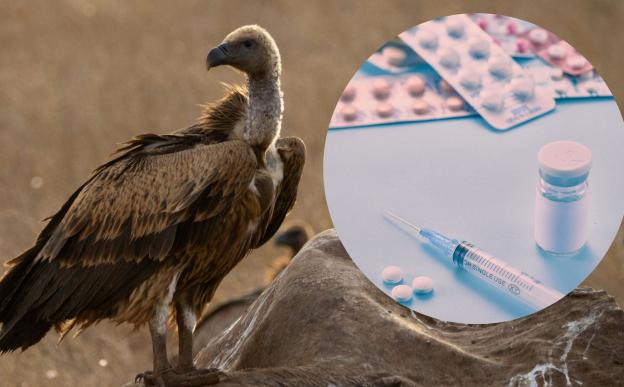
Despite successful bans on the veterinary drug diclofenac in Nepal and parts of India, a decade-long undercover investigation reveals that toxic alternatives like flunixin and nimesulide are rapidly replacing it, posing a renewed existential threat to the region’s critically endangered vulture populations.
Earthen pots or matkas have been used to store and cool water since time immemorial. But how do they keep water cool?
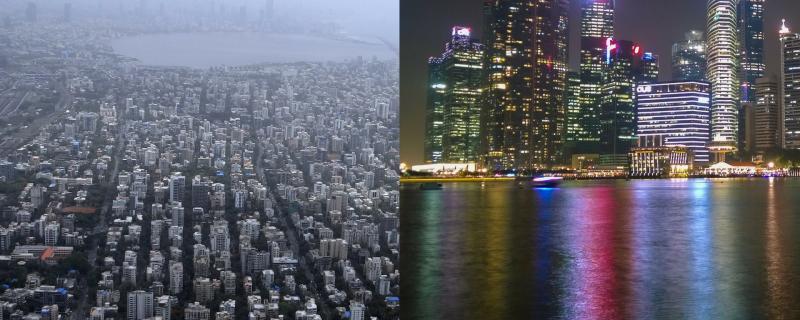
India’s premier institutes like the Indian Institute of Science (IISc) and the Indian Institutes of Technology (IIT) are the most sought after institutes in the country that attract the best of the talent from across the country. But how do these national institutes compare with those in Singapore, a major hub of education in Asia? A new study by researchers from the Vidya Academy of Science and Technology, Thrissur and A.P.J.
The intricate working of human cells has been a fascinating subject and every now and then we have a new research throwing light on how cells and their constituents help form what we know as ‘life’. Now, a new study has explored the organization and function of mitochondria, a cell organelle responsible for providing the cells with energy that they need, in the context of early embryonic development. The researchers have shown how mitochondria move about in the cells using the cytoskeleton and help in formation of different cells from the blastoderm.
The Western Ghats in India has been a hotspot for many a diverse and unique forms of life. The dense rainforests and tropical climate have assisted in the diversification of species, many of which are yet to be found. The latest addition to this growing list is Nasikabatrachus bhupathi, an underground dwelling frog that surface only for a few days every year, to mate. The species was found along the eastern slopes of the Western Ghats, which receives rainfall during the northeast monsoon unlike the other parts of the ghats, and could be a primary reason for the differences in the species found in the different places.

Thrips is the common name given to insects belonging to the order Thysanoptera. These tiny insects are seen in aggregates on various plant parts. They have unique asymmetrical mouthparts which they use to feed on plant matter. Most species are herbivorous, but some predatory species have been recorded as well. Out of the 6102 species of thrips described globally 1% act as pollinators, predators and vectors for viruses.

The Indian Institute of Technology’s (IIT) are autonomous public institutions of higher education, offering undergraduate, postgraduate and doctoral courses in engineering and related domains. IIT Kharagpur was the first institute to be set up, followed by in Bombay, Madras, Kanpur and Delhi. Today, there are a total of 23 IIT’s across the country and many of these premier institutions are placed high up in institutional rankings in the country.
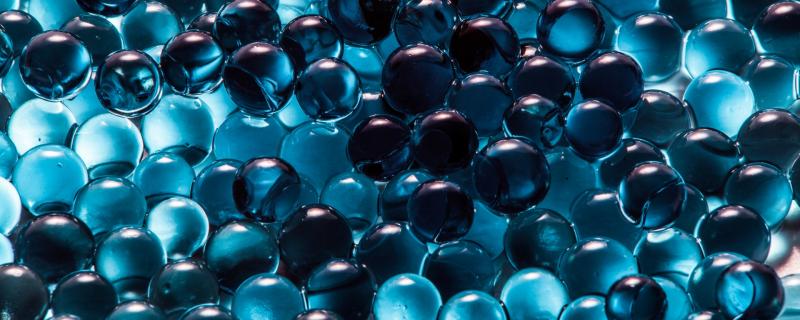
What is common between albumin, gelatin and casein? They are all proteins! And not just that, they are proteins used for the synthesis of nanoparticles. Proteins are large biomolecules that are composed of long chains of amino acids. The chemical groups that the amino acid are composed of lead to the protein having polar (water soluble) and nonpolar (water insoluble) regions. Hence when introduced into water, proteins tend to bury their nonpolar region by folding into different 3D shapes.
SimYog, a spin-off from the Indian Institute of Science and a private start-up providing electromagnetic diagnostics and services along with developing design and sign-off tools for automotive electronics. Their latest offering is Compliance scope - a virtual 3D laboratory that allows the user to immerse themselves in a virtual world and explore the electrical components and connections and went on to win the coolest demo prize at this edition of IEEE EMC conference
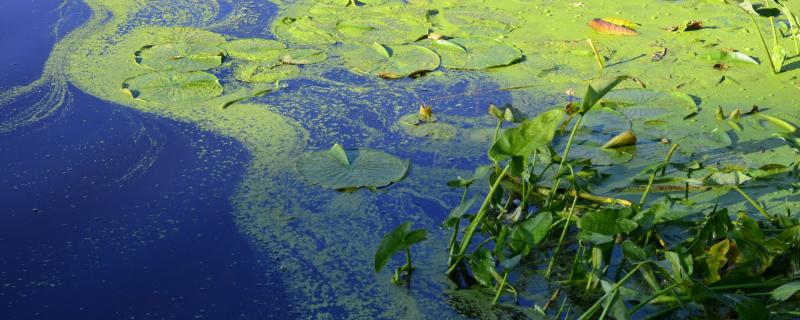
Chlorella pyrenoidosa is a type of freshwater algae found around the world. It has been used in traditional Chinese medicine for a long time, and in recent times, emerged as a leading candidate for the production of biodiesels. Toxic algal blooms, can be seen covering ponds and lakes, and happens due to a rapid growth of algae in the waterbody. Since some of these algae produce toxins harmful to humans and other animals, toxic algal blooms generally lead to a decrease in the amount of fish in the water and amount of life surrounding it.
The Andaman and Nicobar Islands are a group of islands and a Indian union territory situated 1200 kms from the easternmost boundary of the Indian peninsula. Although some distance from the mainland, scientists have now found evidence for the effects the islands and the surrounding Andaman sea have on the climate on the mainland. Using satellite data and computer simulations, the scientists have established the area as an important contributor to the Indian Monsoon and as one which requires further study.