Technology

Kanpur

Scientist from Indian Institute of Technology Kanpur (IITK) have developed a novel ternary nanocomposite (compound made of three different nano compounds) which can remove methylene blue from a solution when shone with visible or Ultra Violet (UV) light.
Kanpur

Scientists from the Indian Institute of Technology, Kanpur, devise a new method to make chemotherapy safer and easier with the help of liposomes.

New Delhi

Indian Institute of Science (IISc), Bengaluru has for the third consecutive year, bagged the top rank in the National Institutional Ranking Framework (NIRF) which was announced by the Minister of Human Resource Development, Shri. Prakash Javadekar on 03 March 2018.

Bengaluru

Silver nanoparticles are nanoparticles of silver whose size varies from 1 nm to 100 nm. They are commonly used in the manufacture of about 200 consumer products, including clothing and cosmetics. While their antibacterial properties are hailed, reckless dumping of these nanoparticles is reported to pollute water and soil due to formation of toxins like silver sulfide.

Bengaluru

After the devastating Tsunami in 2004, various measures have been taken by the Government of India to be more prepared in the future. Indian Tsunami Early Warning System (ITEWS) is one such effort undertaken by  Indian National Centre for Ocean Information Services (INCOIS).

Mumbai

Microbial Fuel Cells (MFCs) are bio-electrochemical devices that use the power of respiring microbes to convert organic matter into electrical energy. Thus, they can help treat wastewater and also generate electricity. Realising the vast potential these cells have, scientists are finding ways to improve their performance and efficiency.

Kanpur

In a new study, researchers have developed a low-cost and eco-friendly method to extract gold from electronic waste using the leaves of the plant Lagerstroemia speciosa, commonly called the Pride of India. They have applied the principle of biosorption—the ability of biological materials in an aqueous solution to bind with heavy metals—to extract gold from wastewater.

Kharagpur

Power cuts in many parts of the country are so commonplace that we have learnt to accept and adapt to the erratic supply, no matter how frustrating. With summer rearing its fiery head, the threat of sitting in sweltering heat without fans or air-conditioners is a nightmare. A recent UN report found that 10% of people from developing countries have no access to electricity!

Bengaluru

In a new study, researchers from the Indian Institute of Science, have found that ten confined water molecules play a significant role in keeping the insulin molecules together. In their findings published in the Journal of Physical Chemistry, the researchers have used computer models to study how water molecules help in stabilising the structure of insulin for storage in our body.

Delhi

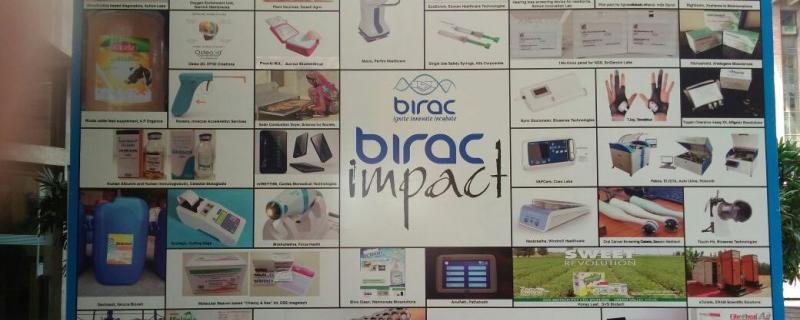
The Biotechnology Industry Research Assistance Council (BIRAC) celebrated its 6th Foundation Day on Tuesday, March 20th, at the India Habitat centre in New Delhi. This year, the theme for the Foundation Day celebration was ‘Sustaining Innovation: A market driven pathway’. The event saw a participation from large number of dignitaries from the industry and academia, public and private sector, policy makers and national and international organizations.

Search Research Matters