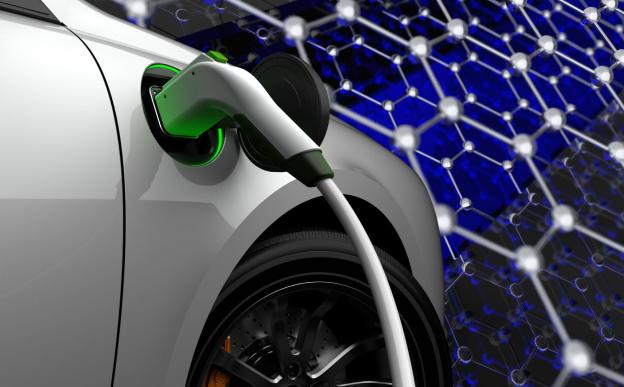
Research reveals that graphene-enhanced batteries can slash electric vehicle charging times by up to 27% while cutting battery weight by more than half, potentially solving the biggest hurdles to green transportation.

Deep-dive

Bengaluru

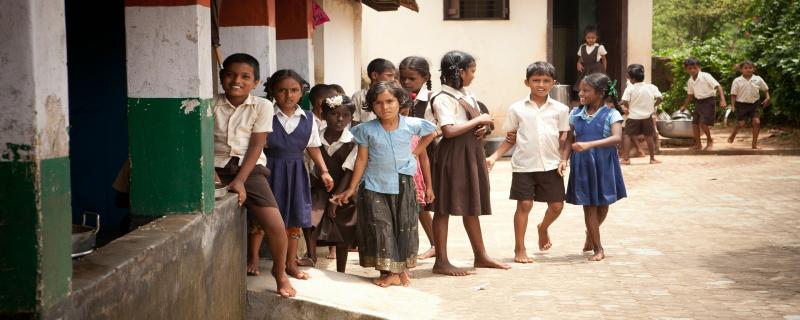
Obesity has become a global concern over the last four decades as the number of obese and overweight individuals has tripled since 1975. In 2016, about one in five children across the world, aged 5-19 years, were overweight or obese and half of them lived in Asia. The obesity epidemic, which was once prevalent in high-income, developed countries, has today soared in low- and middle-income economies, particularly in cities. A similar trend is observed in the case of hypertension—a major risk of obesity. In India, many studies have assessed the prevalence of obesity and hypertension and the correlation between them. However, recent data on this, particularly regarding children and adolescents from urban and rural areas, is scarcely available. Now, a recent study by researchers from India and the UK, published in the journal BMJ Open, provides some insights into the current prevalence rates for obesity and hypertension among adolescents in Northern India.
Bengaluru

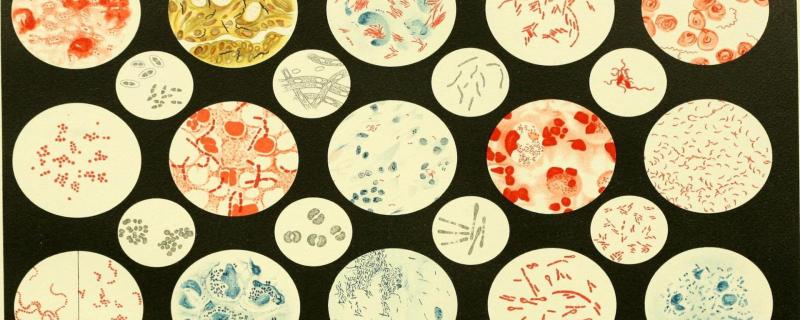
A new study from researchers at the Translational Health Science and Technology Institute (THSTI), Faridabad, has decoded the bacterial species found in the vagina of pregnant Indian women by using advanced gene sequencing technology called Shotgun sequencing.

Bengaluru

India is ageing. Approximately 104 million Indians are above sixty and vulnerable to cognitive disorders affecting memory, such as dementia. Despite this impending future, we haven't been able to assess the current prevalence of such illnesses in the country. It is partly due to the geographical and cultural vastness of India, and the barriers of language and ethics prohibit the use of tests used in western countries. Now, a new study is trying to close this gap by introducing a psychological test that is adapted to the cultural and linguistic diversity of India.


Bengaluru

 A recent study explores how childhood vaccination among children in India has impacted the level of education attained by them as adults.


Bengaluru

In a recent study published in the Behavioral Ecology journal, Dr Anand Krishnan from the Indian Institute of Science Education and Research (IISER) Pune, studied birds’ singing activity and changes in the community structure of singing birds, before and after the arrival of migrant birds. The findings serve as a framework for monitoring rapidly-changing urban habitats through vocal birds and their singing behaviour. 

Bengaluru

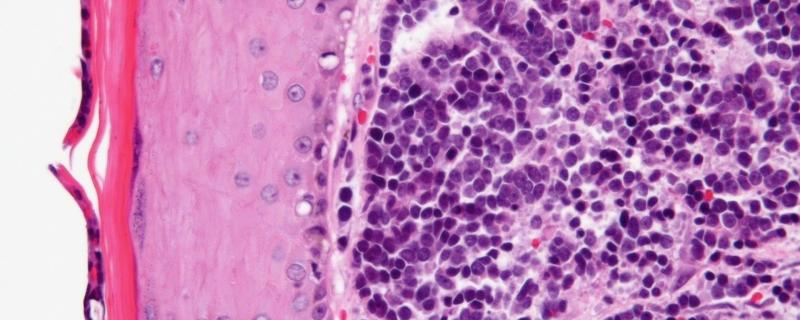
In the first-ever study from India, researchers at the National Centre for Biological Sciences (NCBS), Bengaluru and the Tata Memorial Hospital, Mumbai, have analysed how prevalent the Merkel Cell Polyomavirus (MCV) is in India. 

Bengaluru

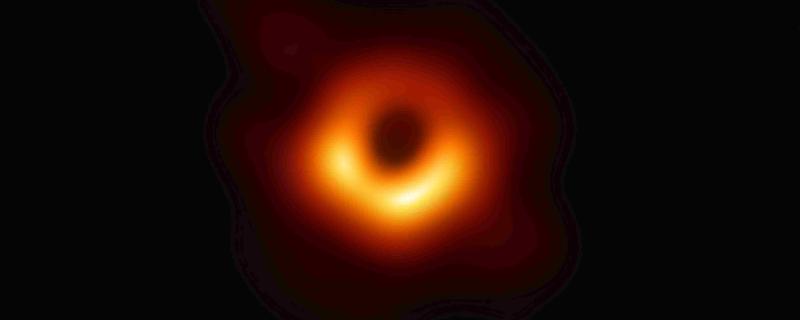
Researchers investigate the effects of dark matter particles on the growth of black hole shadows. 

Bengaluru

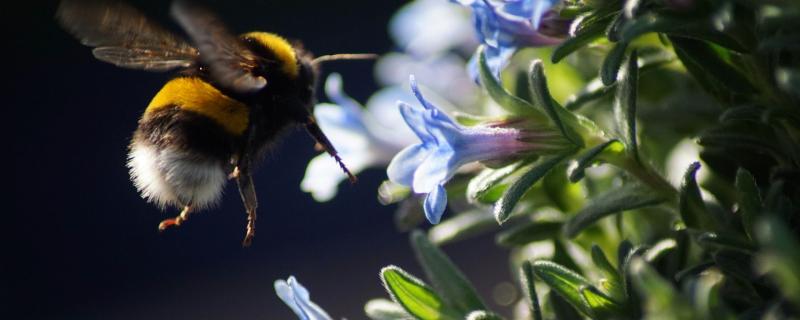
Study uses three-dimensional simulations to understand how flying insects navigate their terrain

Karnal

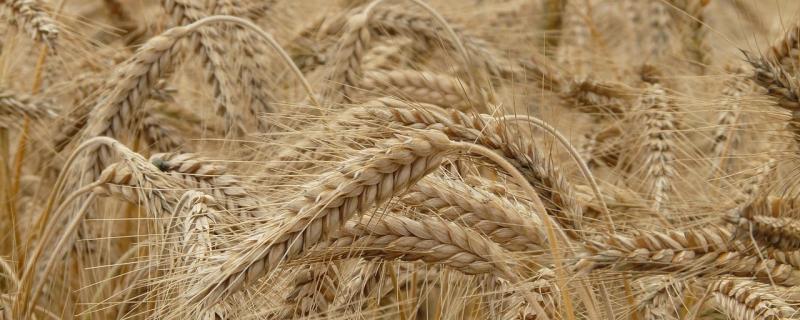
Researchers from ICAR-Indian Institute of Wheat & Barley Research, Karnal, and ICAR-Indian Agricultural Statistics Research Institute, New Delhi, have proposed a faster and reliable approach to identify different varieties of wheat. Using a mix of software engineering, mobile application development and genetic analysis, they have developed a new web-based server called VISTa—the first-ever plant variety identification system in the world—to identify wheat varieties.

Bengaluru

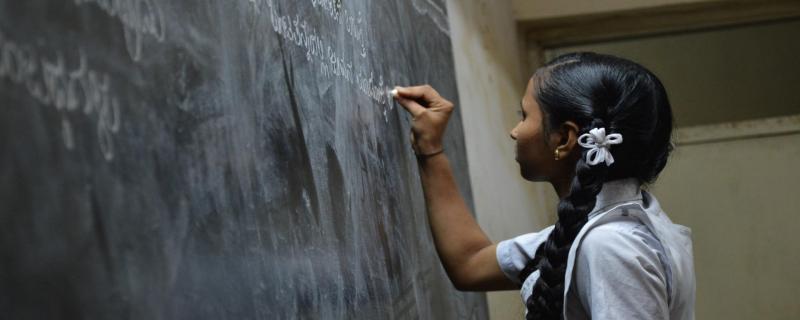
In India, the school education system puts a higher emphasis on grades than on practical learning, thus encouraging practices like late-night studies and changes in eating and sleeping routines during weekdays and weekends. So how badly are India’s adolescents affected by this? In a recent study, researchers at the Chaudhary Charan Singh University, India, analysed the complex relationship between these lifestyle changes and the disruptions in the circadian cycles among students from classes IX, XII and the first year of college.


Search Research Matters