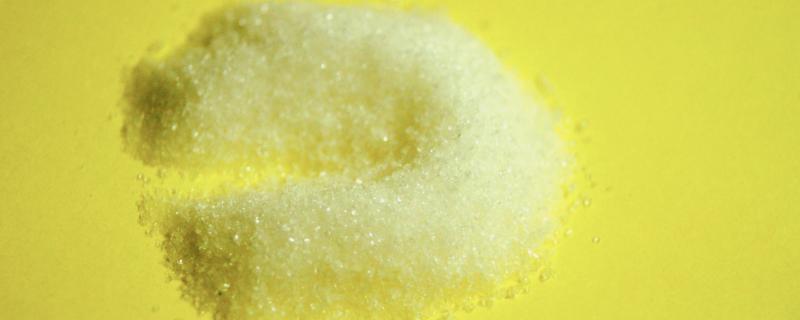
Ferroelectric materials carry a spontaneously polarized charge within their crystalline structure that can be reversed by the application of an electric field. As scientists try to shrink them to nanometre sizes, these materials often lose their polarization. Now, a collaborative research team from India and Germany has observed an unexpected effect in the ferroelectric alloy of bismuth ferrite and lead titanate (BiFeO3-PbTiO3). They have found that mechanically grinding this material to smaller sizes actually leads to a different atomic arrangement - a new structural phase that retains the polarization with slight alteration. This discovery opens up interesting possibilities for using this ferroelectric material in a variety of miniaturised devices - computer memory, RFIDs, sensors and actuators.
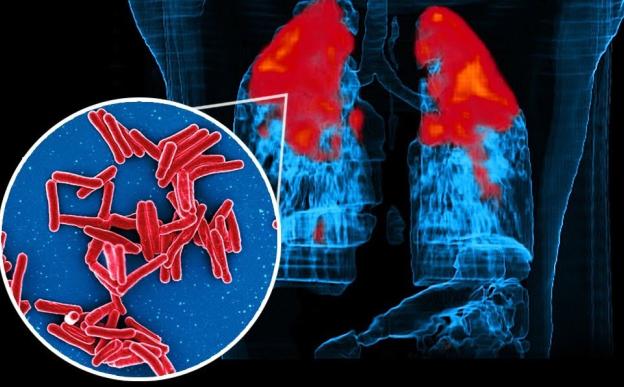
क्षयरोग के जीवाणु प्रसुप्त अवस्था में अपने बाह्य आवरण में होने वाले परिवर्तन के कारण प्रतिजैविक (एंटीबायोटिक्स) से बच कर लंबे समय तक जीवित रह सकते हैं।