Deep-dive

Bengaluru

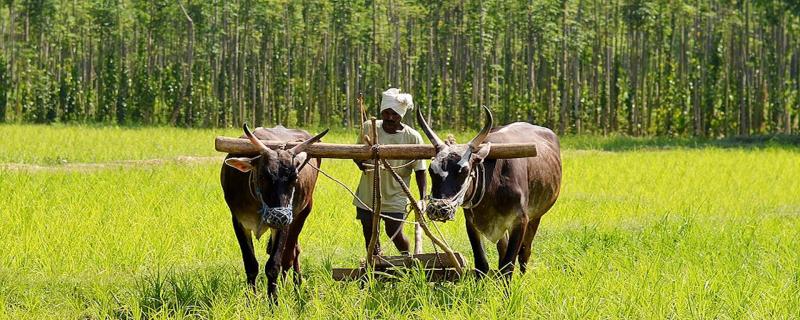
A study by a team of international researchers has suggested that diversifying crop production in India to include cereals like millets and sorghum could be a sustainable way forward. 
Dehradun

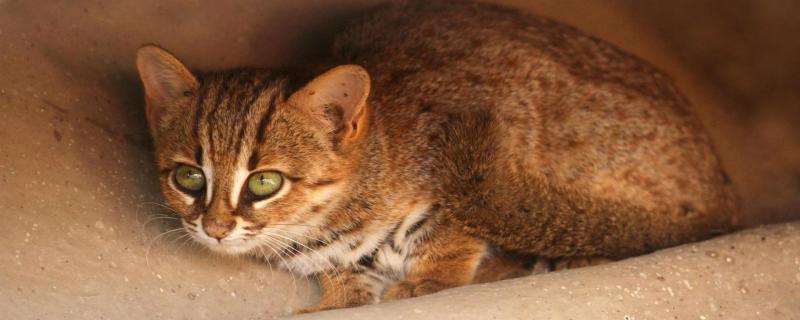
Rusty-spotted cat ((Prionailurus rubiginosus) [Image Credits: David V Raju / CC BY-SA]

Bengaluru

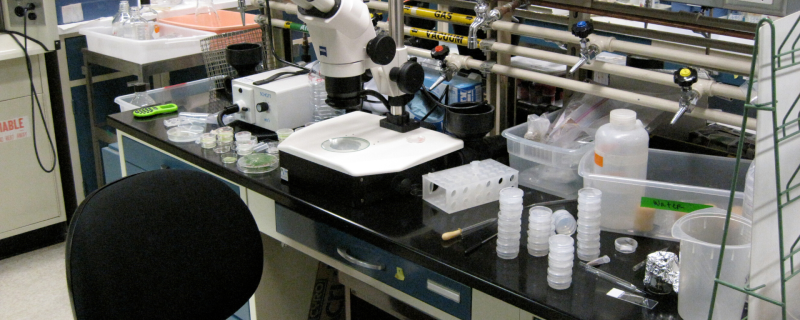
Researchers from IIT Bombay propose cost-effective techniques of making microcontact printing stamps to print protein and grow cells.

Bengaluru

Numb, bruised and in pain, she tried getting up. It was a cold night, and the hallway was dark. The last thing she remembered was she being pushed down the stairs after an argument about who would do the dishes. The dinner was a happy time. There was her special biryani and his most-liked murgh makhani. Their favourite sit-com was running on Netflix—something they enjoyed from their dating days. They were discussing her thesis and his semester exams—both due in a couple of days. But, it soon turned ugly, nasty and violent.

Bengaluru

Did you know that a humble bacterium influences  chickpea's yield?  While chickpea is believed to have come to India from Turkey a few centuries ago, from where did it get its microbe partner? Did the original rhizobium strain from Turkey hitch a ride along with its host, or did it find other local strains here? In a recent study, an international collaboration of researchers, including those from India, may have answers.


New Delhi

Study finds, online streaming platforms flouting tobacco imagery rules.

Bengaluru

In an earlier episode of The Joy of Science Shambhavi Chidambaram spoke to Professor Shravan Vasishth about, among other things, the joy of psycholinguistics. In this interview, Professor Vasishth talks in detail about teaching statistics and the need to understand uncertainty both to students and the general public. He is the author of “Shravan Vasishth’s Slog”, a blog about statistics. This interview has been edited for clarity and conciseness and has been run past Prof Vasishth for accuracy before publication.

Kolkata

Researchers show how free-ranging dogs modify their behaviour and personalities based on our presence in urban areas.


Pune

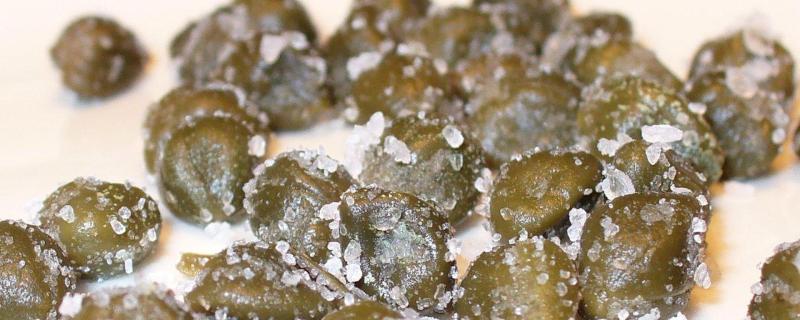
Ever looked at those tiny, green, olive-like capers in your pasta and wondered where they come from? Capers, also called Capparis, is the largest genera in the Capparaceae plant family and consists of around 139 species spread across the tropics. Found in arid habitats, these plants are mostly shrubs, and their flower buds and fruits are widely used as a pickled condiment. In a recent study, researchers from Pune's Agharkar Research Institute (ARI) and China's Zhejiang University have explored the genetic traits of two varieties of capers—spinosa and herbacea

Bengaluru

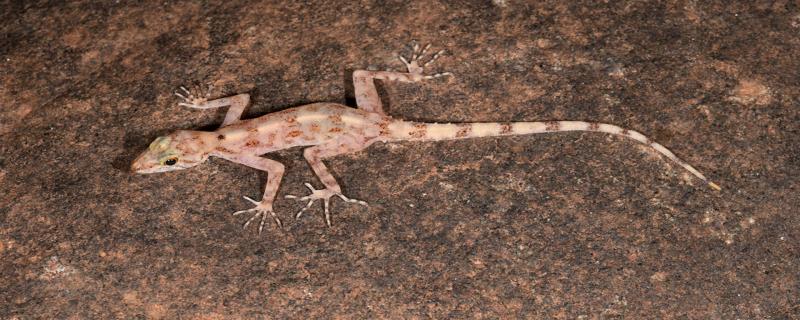
In a recent study, herpetologists have discovered three new species of geckos belonging to the genus Cnemaspis. These geckos are thought to be endemic to the rocky granite boulders found in the Mysore plateau region of Karnataka.


Search Research Matters