Researchers identify molecular markers that can help in developing better varieties of black pepper.
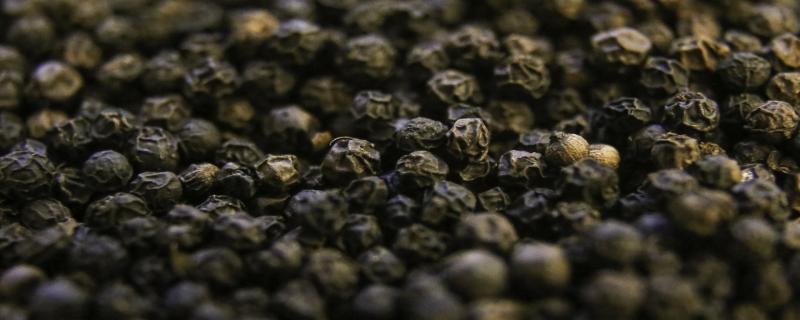
Researchers identify molecular markers that can help in developing better varieties of black pepper.
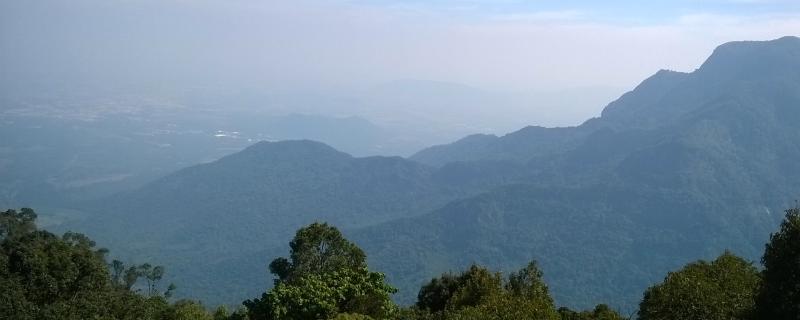
In a recent study, researchers explore the effects of frost and freezing temperatures, a characteristic feature of montane shola-grassland ecosystems, on the native and non-native trees of these forests.
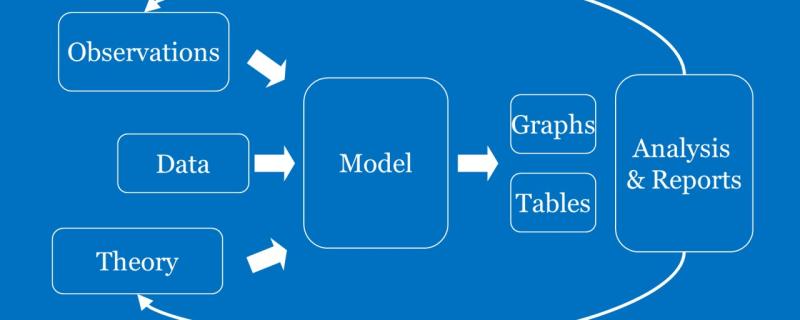
Research Matters is happy to bring you this article as part of the series on Mathematical Modeling and Data Analysis by the Mathematical Modeling team of Indian Scientists' Response to Covid-19 (ISRC). The first part of this series is on Explaining Models of Epidemic Spreading.
Why do we need Mathematical Models for CoVID-19?

According to the National Tiger Estimation survey, the number of tigers has surged to 2967, indicating a doubling of tiger numbers since the first survey conducted in 2006 under a revised monitoring methodology. Although this change may sound exciting to the layperson, some scientists have flagged concerns about accepting these claimed changes in tiger numbers. In a recent study, published in the journal Conservation Science and Practice, researchers from India and Norway refer to important mathematical, statistical and ecological principles and highlight how India’s tiger survey results deviate from these principles.
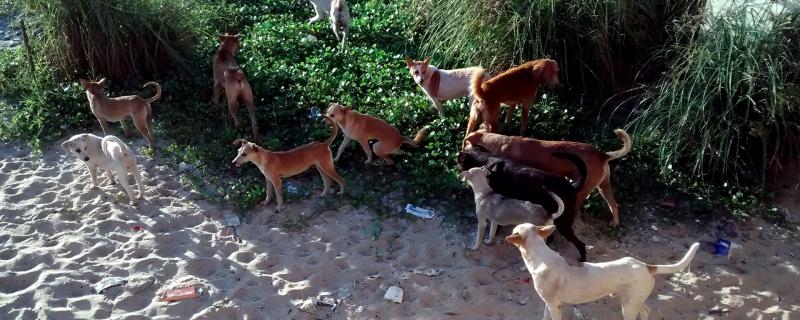
A new study by researchers at the Indian Institute of Science Education and Research (IISER) Kolkata, shows that dogs too have developed strategies to coexist with humans, and numbers play a role in it.
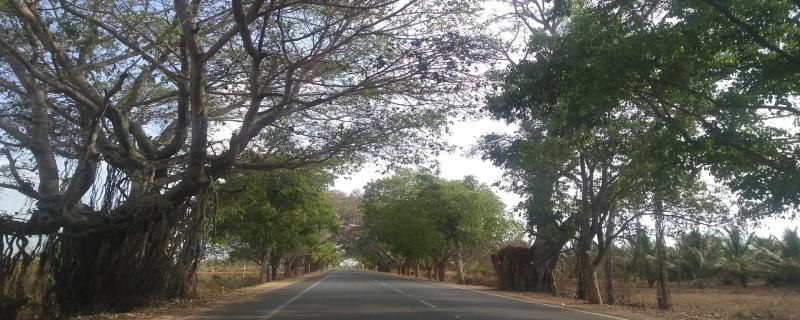
Vehicular exhaust is a significant cause of air pollution in India, resulting in the rise of many fatal respiratory illnesses.
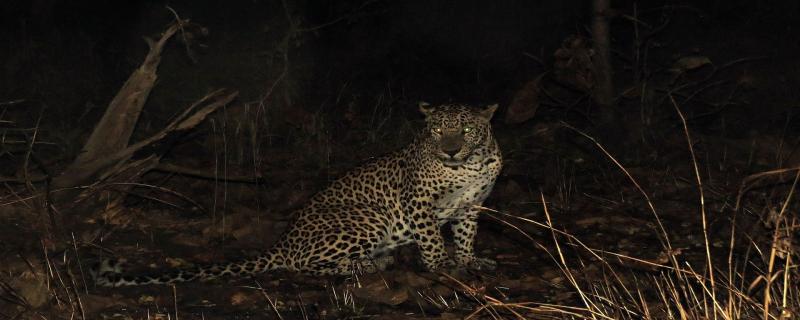
Researchers explore how the two predators coexist by preferring different habitats in Gir
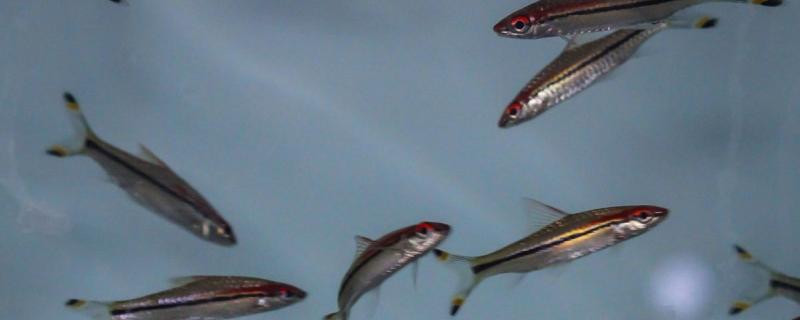
Understanding patterns in nature has been of interest to researchers. Some of the popular questions have been around why birds flock together, how groups of bees build their honeycombs out of perfect hexagons, how ants navigate finding the shortest path back to the nest, and the likes. Researchers across the world are trying to decipher and explain how and why such specific patterns emerge.
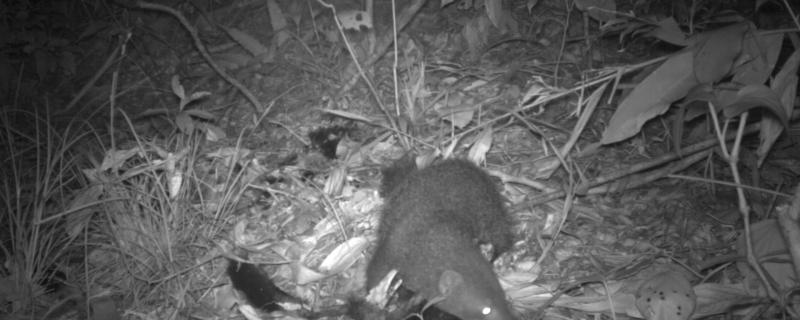
In a recent study, Mr Kamath, now a researcher at Gubbi Labs, Bengaluru, along with Dr Seshadri KS, a researcher at The Madras Crocodile Bank Trust and Centre for Herpetology, Tamil Nadu, has reported the feeding behaviour of Brown mongoose. Though accidental, the study adds knowledge about some previously unknown behavioural aspects of these elusive mongooses. It is published in the Journal of Threatened Taxa.