Science

Mumbai

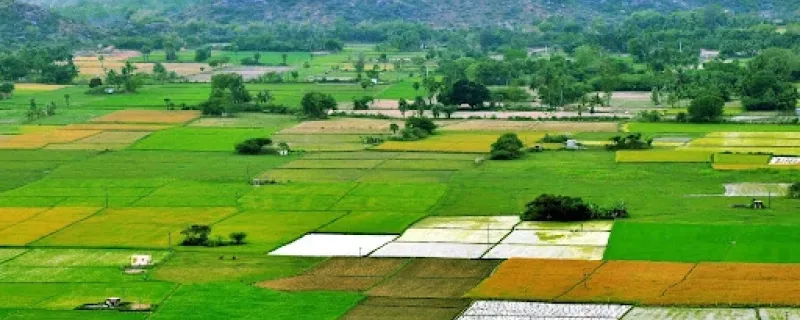
Analysing data from 1975 to 2014, a study examining changes through three waves over 40 years by researchers at IIT Bombay and the University of Hyderabad found that productivity in India's semi-arid tropics depends less on farm size and more on access to inputs, credit, and markets.
Lucknow

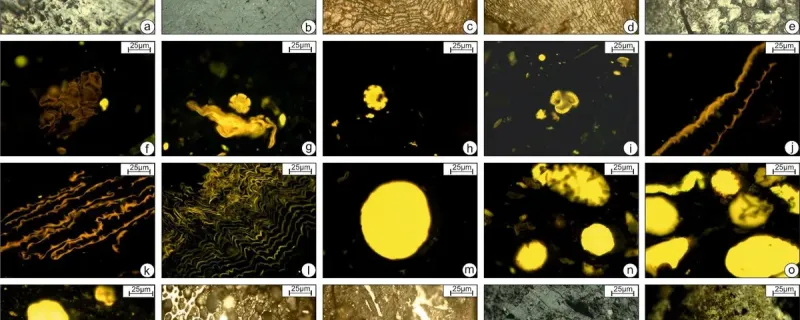
India's Eocene rainforests, preserved in amber, offer a vivid window into how intricate ecological webs sustained biodiversity through past climate shifts, providing crucial insights for our warming world.

Bengaluru

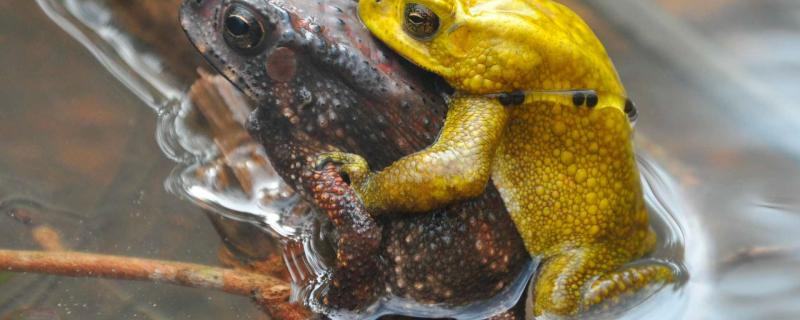
In the chaotic phenomenon of explosive toad breeding, males' ability to rapidly change from brown to bright yellow acts as a crucial visual signal, helping them avoid other males.

Mumbai

A decade long study of adolescents and young adults aged 15 to 39 years who had histopathologically confirmed, high-grade bone sarcomas on their treatment regime and social relationships offers unprecedented insights.  

Bengaluru

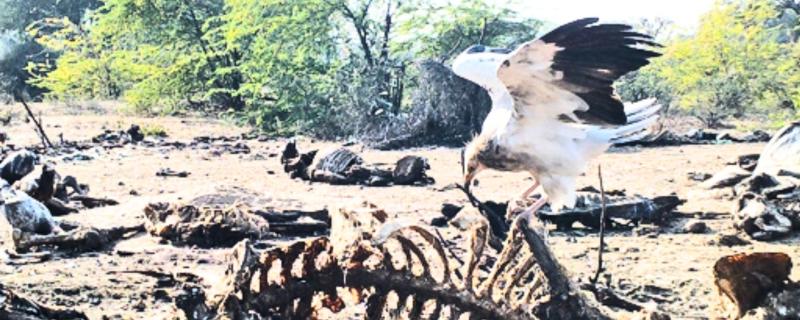
The study found that feral dogs are displacing endangered Egyptian vultures from prime feeding spots at unofficial carcass dumps.

Guwahati

New research reveals how specially designed porous walls can significantly reduce the impact of ocean waves on floating structures, paving the way for safer and more resilient offshore engineering.

Kannur

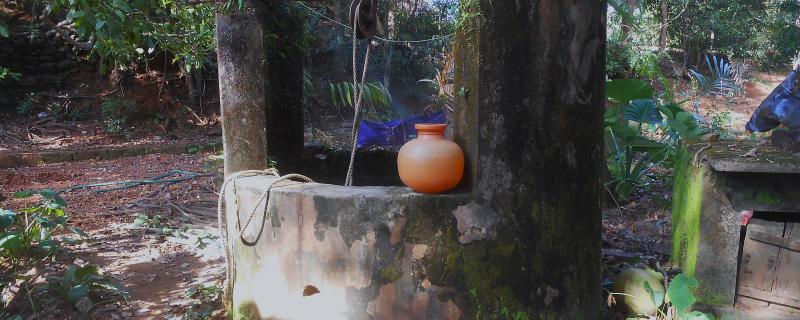
Researchers have developed a Heavy Metal Pollution Index (HMPI) for the groundwater in Kannur, Kerala, and created a spatial map of groundwater using GIS data.

Mumbai

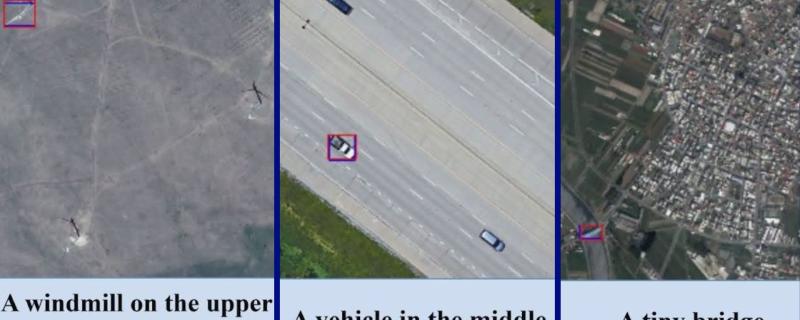
IIT Bombay researchers build a new model, named AMVG, that bridges the gap between how humans prompt and how machines analyse satellite or remote sensing imagery.

Dehradun

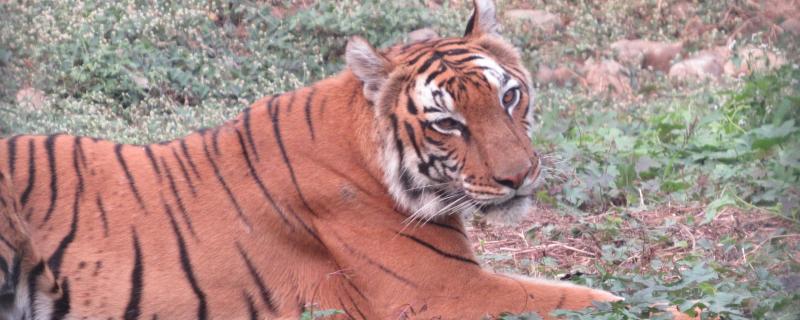
Tigers are master adapters, dynamically shifting their movements to survive in landscapes shared with humans, from cautious exploration as youngsters to strategic navigation as adults.

Ahmedabad

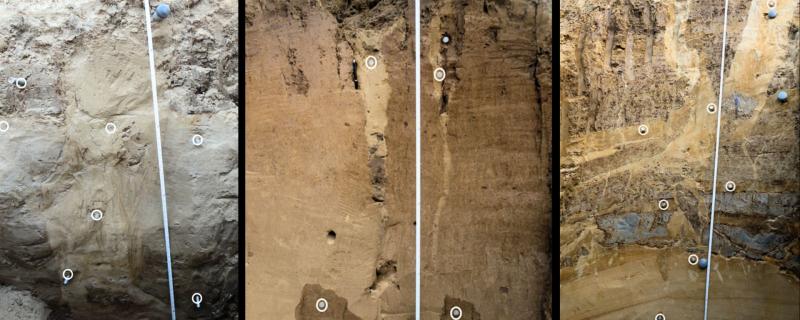
The new study presents a method for predicting the age of the quake that caused a sand dike using a phenomenon known as luminescence dating.

Search Research Matters