In a series of studies, researchers have investigated how the Hemidactylus geckos, or leaf-toed geckos, evolved during the two periods of climate change.
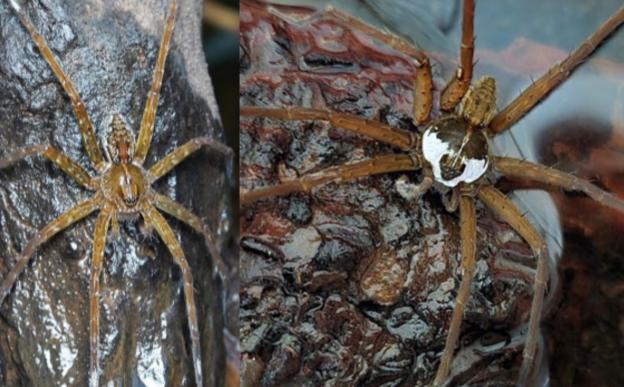

In a series of studies, researchers have investigated how the Hemidactylus geckos, or leaf-toed geckos, evolved during the two periods of climate change.

Studies have found that dogs tend to be friendlier in areas with frequent human activity. But what about their interaction with individuals of their kind in these areas? Do humans play a role here? A recent study from the Dog Lab IISER Kolkata has delved into the social interactions of dogs amongst themselves and with humans.
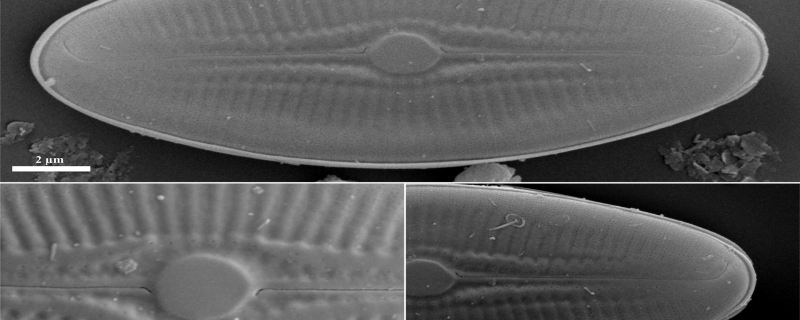
In a recent study, researchers describe this new species of diatoms from the Mawsmai caves in Meghalaya.

Why are apple orchards moving higher up in the Himalayas? This shift is a result of the not-so-cold-anymore winters, says a recent study.
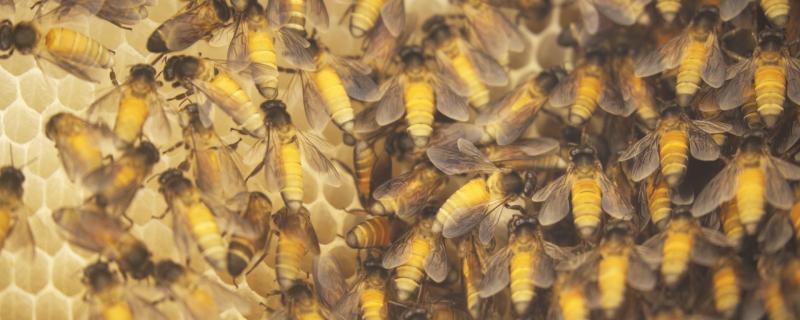
For years, chemicals in pesticides were thought to be the culprits, leading to the mass death of insects. Now, a new study has found that toxic pollutants in the air are equally responsible for this misery. Much like in humans, polluted air is affecting the survival, behaviour, health and genes of pollinating insects, honey bees in this case.
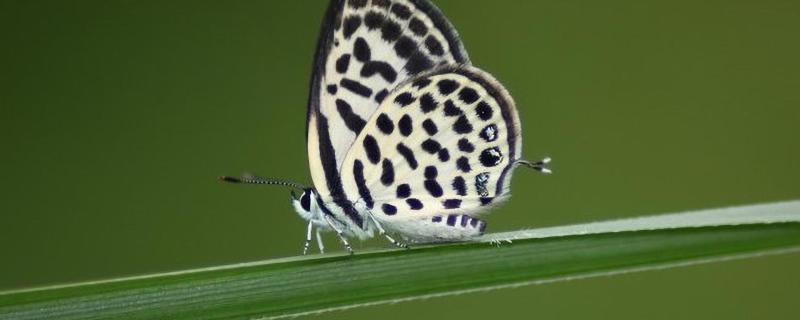
In a study, researchers have resolved the taxonomic challenge of butterflies in the Tarucus genus, also called Pierrots.
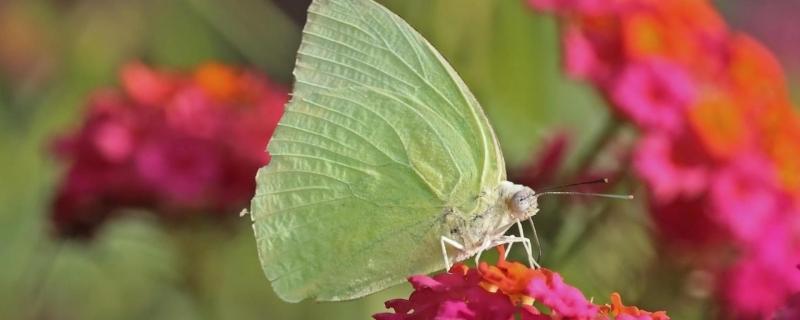
Plants have many tricks in their hat to attract pollinators—vivid colours, attractive scents, exciting shapes and patterns, heat and also electric potential. But what is fascinating is how these pollinators process these attractive cues from various plants to pick which flower to visit. If you love chocolates, which one would you choose in a big bag of assorted chocolates? Well, most pollinators must have a similar dilemma. Now, a recent study throws some insights into how insects process so many cues from flowers.
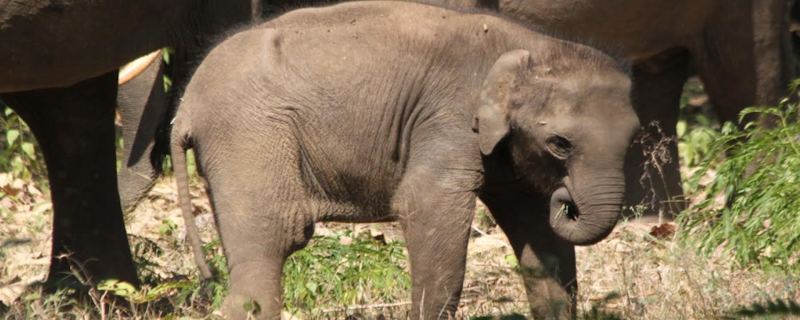
A new study by researchers investigates how and when calves learn to use their trunks.
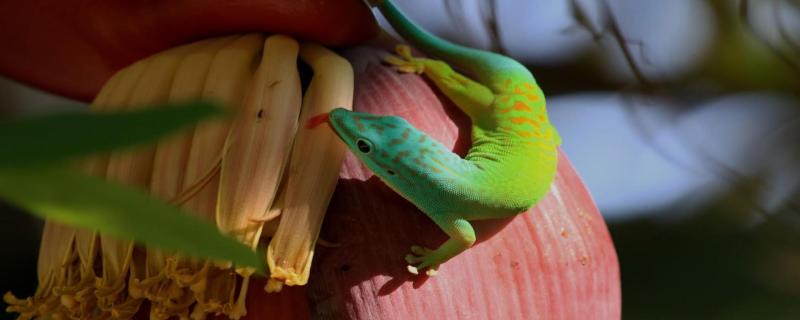
The big, bright, green-coloured Andaman day gecko is a sight to behold; only that, you have to go all the way to the Andaman Islands to get a glimpse of it. Endemic to the islands, these geckos live in trees and are active during the day. Thanks to cash crops grown on these islands today, they can be found in plenty, feeding on bananas, coconuts and betel nuts. They belong to the genus called Phelsuma, believed to have evolved from Madagascar, an island about 6000 km away from the Andamans! A new study has traced their evolutionary history and has thrown some light on how they differ from the other geckos in the Andamans.

People see human-animal conflicts as a fight between two species on opposing sides. However, in reality, the human aspect also has multiple dimensions. In some cases, there are two groups—the affected public—and the forest department staff, who manage and mitigate it; in others, more such groups. One of the frequent human-animal conflicts is that between humans and monkeys, especially the rhesus macaque, whose population is widespread in many cities. Now, a study by researchers shows that differences in people's opinions on mitigating such conflicts could instead be adding to the conflict.