Ecology

Bengaluru

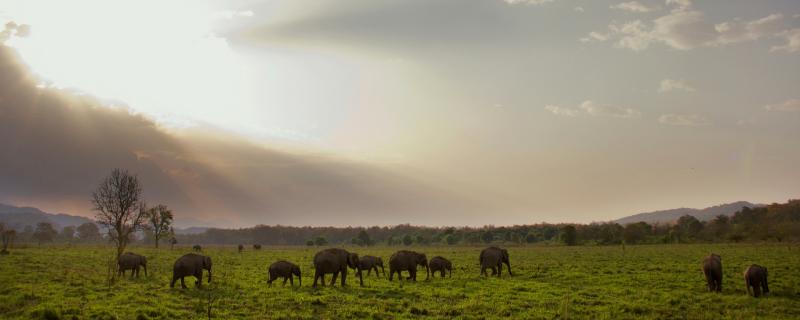
Scientists from the Jawaharlal Nehru Center for Advanced Scientific Research explore whether seasonal variation in abundance of food and water have any effects on the size of elephant groups. The researchers found that although group sizes were larger in the dry season compared to the wet season at the population level, that was not so at the clan level.
Whizzing and whirring past us are these insects that most of us remember as ‘helicopters’ of our childhood. Often subjected to our harsh fascination, these winged beauties were tied a string to their bodies, and flown around. Dragonflies and damselflies, collectively known as Odonates, were once as interesting to us as dragons and damsels of stories. Yet today, we barely have the time to notice these creatures.

Bengaluru

[field_op_main_image]

Human Elephant conflict in India is hardly news, but the conflict is also faced by our neighbours in the north, Nepal. Scientists from Arkansas State University explore the degree and the reasons due to which elephants come in close contact with humans.

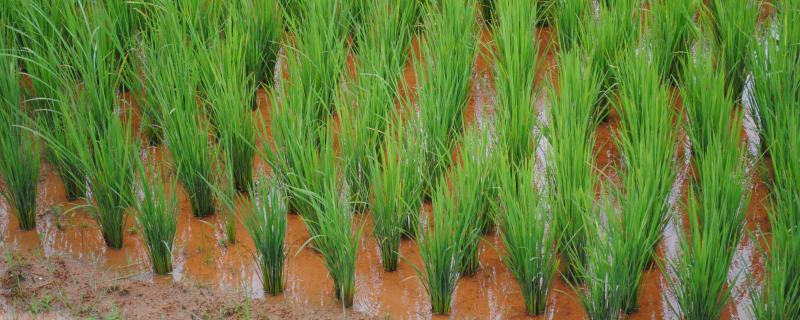
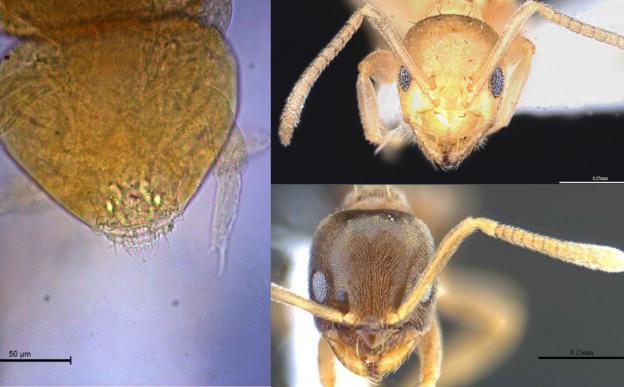
Scientists from Sun Yat-sen University, China, International Centre for Genetic Engineering and Biotechnology, Delhi, Indian Institute of Rice Research and Agri Biotech Foundation have explored the microbiome or microbes associated with a major rice pest, Asian Rice Gall Midge.

Bengaluru

[field_op_main_image]

The conversion of lush green forests into plantation for the profit of the East India Company still have lasting effects on the Indian wildlife today. Researchers from the Centre for Wildlife Studies, Bangalore, study the conflict between leopards and humans due to this altered landscape. They find that from tea plantations to protected areas, leopard inflict non fatal attacks on humans, which are most likely the big cats attempt to defend itself.

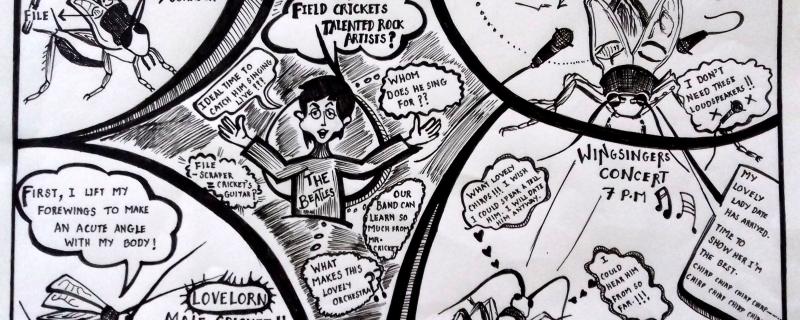
If ever the Beatles were to be formed again, they would definitely agree to rope in field crickets, the distant rockstar relatives of grasshoppers, into their influential band. The male members of the Gryllidae family are noted in the animal world for the music they make with their forewings. As the sun goes down and the dark is welcome, the musical concert of adult male field crickets goes live. Some sing continuous trills, the others produce periodic chirps to enchant the ladies of their own species for mating.

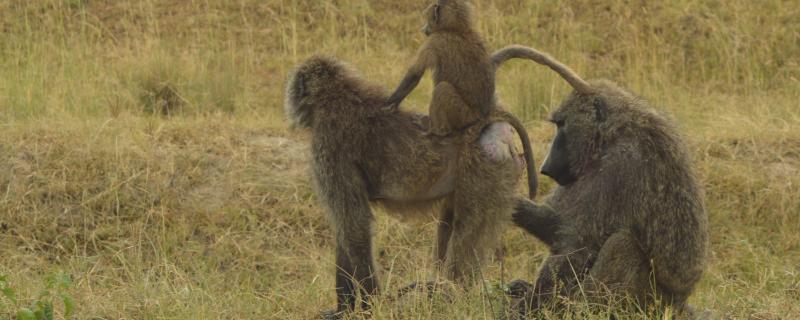
In the study of evolutionary biology, a lot of importance is given to trade offs in the survival of organisms. Questions like when should a predator hunt or when should it conserve energy, when should a prey remain solitary and when should it be social, are often always answered by weighing in the tradeoffs. Another important aspect of an organism’s life is passing on its genes and hence, many tradeoffs come into play when studying different mating systems seen in nature.

Bengaluru

Fig trees are a magnificent keystone species that support a variety of life, both large and small. Scientists from the Indian Institute of Science study how these trees, with the help of their pollinators, are keeping Bengaluru’s green cover alive through genetic diversity.

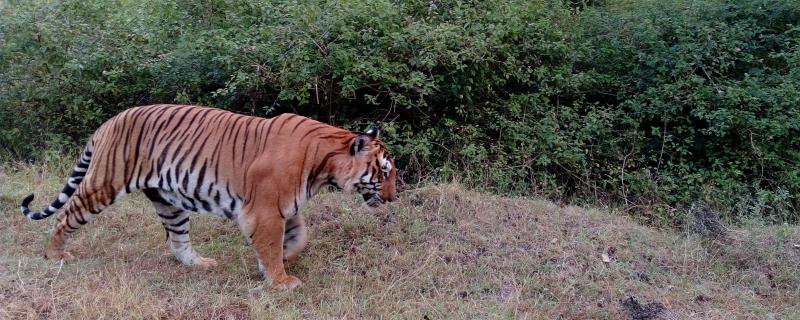
Scientists from the Kalakad-Mundanthurai Tiger Reserve (KMTR) in Tamil Nadu, and the Salim Ali School of Ecology and Environmental Sciences, Pondicherry University, have studied the natural causes that led to the near complete absence of tigers within KMTR for over two decades.

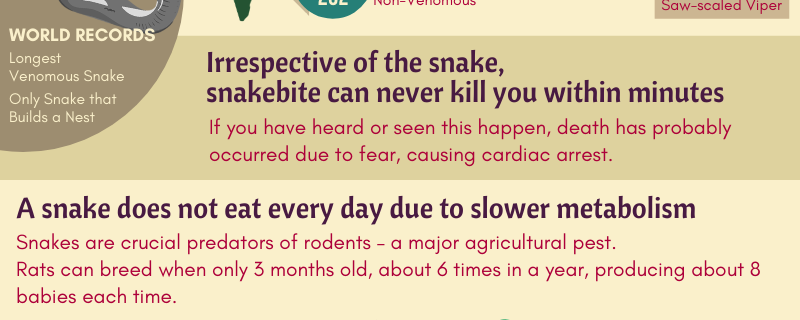
Most of the knowledge a common man has about reptiles is based on stories and hearsay. It is high time we find out authentic truths and coexist with the wildlife that often finds its way to our homes, farms and other urban spaces. Let us learn about one of the most fascinating reptiles, snakes and appreciate how the human race is indebted to them.

Search Research Matters