ICAR Researchers developed a detailed map showing the areas in Pune most affected by abiotic crop stresses, such as extreme temperatures, drought, poor soil quality, and poor or excessive rains.

ICAR Researchers developed a detailed map showing the areas in Pune most affected by abiotic crop stresses, such as extreme temperatures, drought, poor soil quality, and poor or excessive rains.
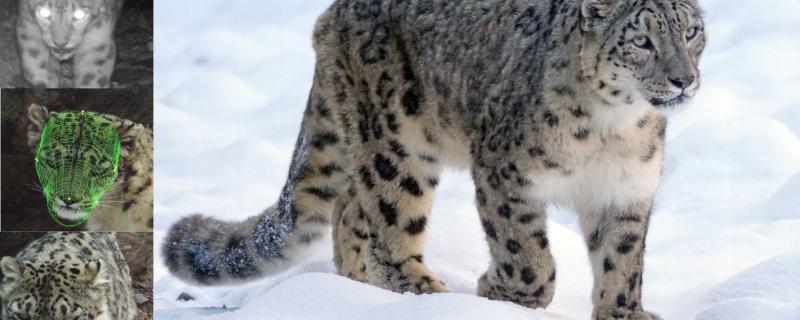
Researchers undertook a comprehensive snow leopard survey covering 59,000 square kilometres of Ladakh's terrain using camera traps and field surveys.
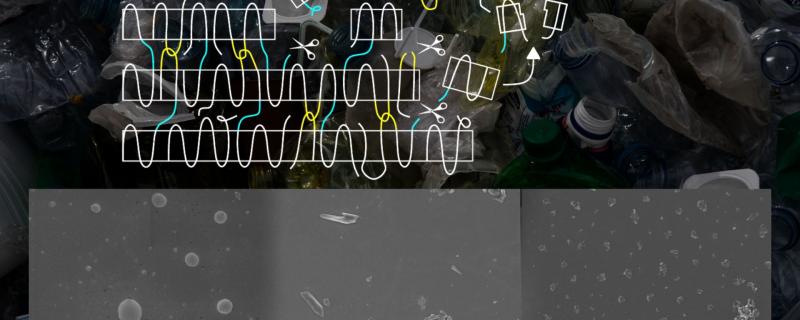
A study by a team at IIT Bombay and their collaborators reveals how the majority of commercial use plastic degrades into micro and nano plastic particles.
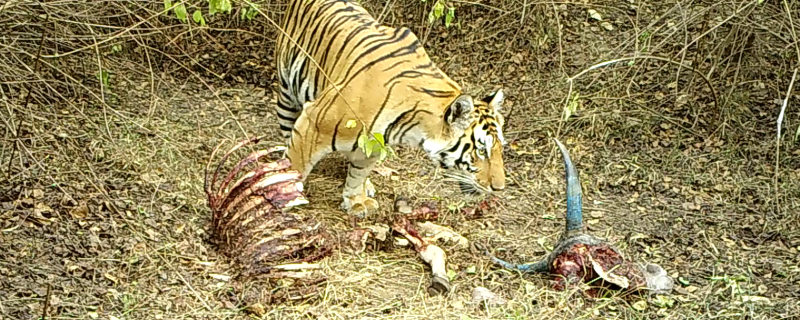
New research shows how tiny saliva, hair, or scat traces can accurately identify individual carnivores, paving the way for smarter conflict resolution.
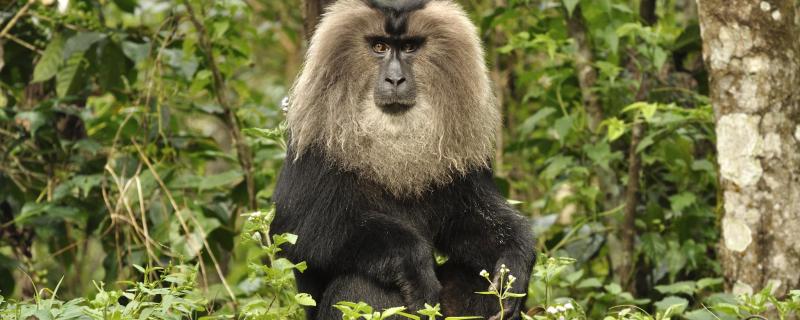
Researchers studied how these highly arboreal (tree-dwelling) primates, who are under pressure from human activity, actually use the space around them.
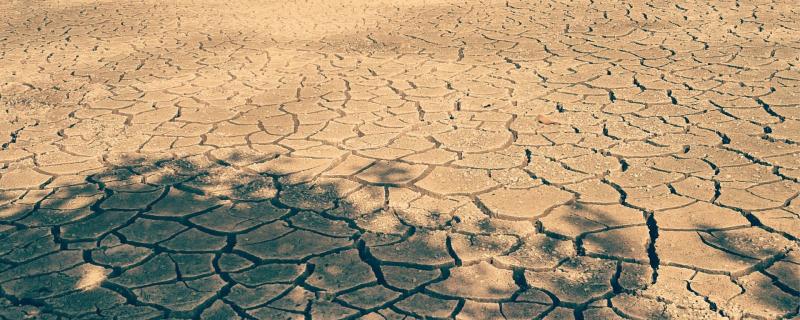
Researchers set out to create a detailed map of the land in the Anantapur district of Andhra Pradesh to determine where land degradation occurred and how severe it was in different areas.
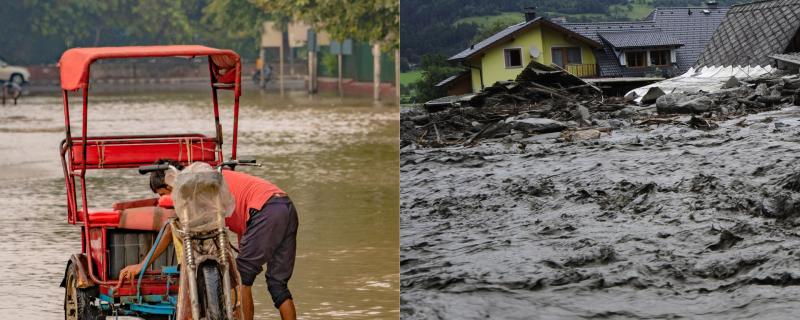
Researchers have used global El Niño-Southern Oscillation data to predict extreme rain events and their frequency using convolutional neural networks
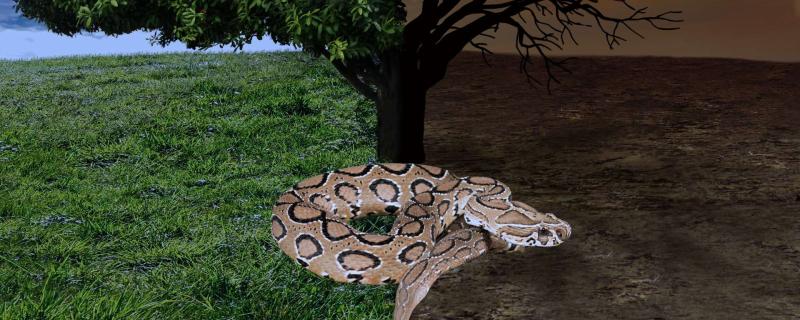
Researchers have found that the variability in venom composition of the Russel’s Viper may be tied, in part, to local climate conditions.
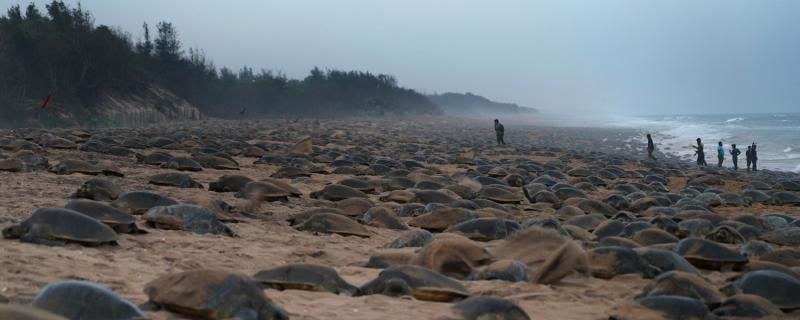
A long-term study reveals encouraging trends for marine turtles in Odisha, Andaman and Nicobar, and the Lakshadweep Islands, while climate change and ecological shifts pose new conservation challenges across India's coasts.
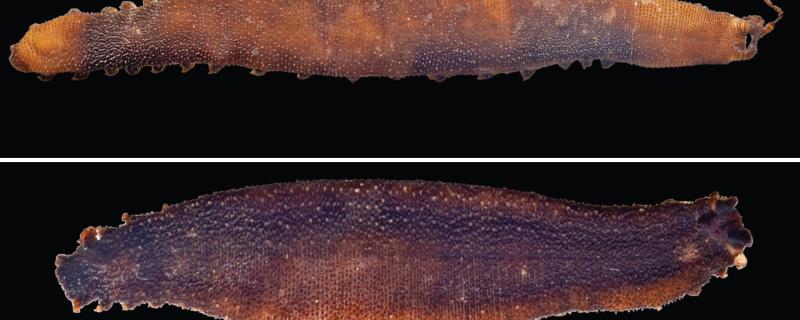
Researchers rediscovered the ancient velvet worm species Typhloperipatus williamsoni from Arunachal Pradesh and mapped its evolutionary tree.