General

Bengaluru

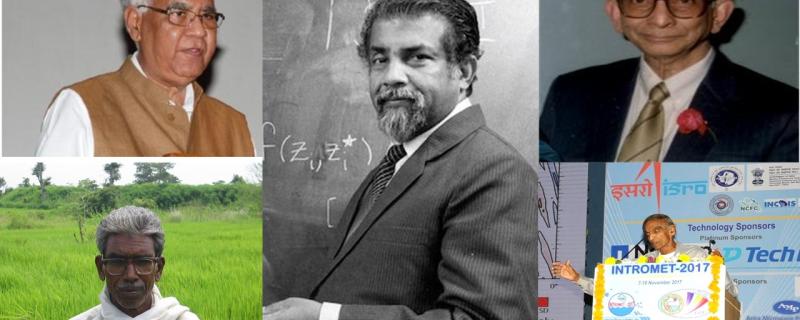
As the curtain falls on 2018, here is a tribute to those great Indian scientists and innovators who died in the year. These eminent people contributed to various fields of science and helped put India in the frontiers of global scientific advancements. This is in no way an exhaustive list, but it is an effort to bring to the fore the achievers who have left an indelible mark behind. 

Mumbai

Prof Amit Agrawal, Professor at the Department of Mechanical Engineering, Indian Institute of Technology Bombay (IIT Bombay), has been awarded the Shanti Swarup Bhatnagar Prize by the Council of Scientific and Industrial Research (CSIR). This award recognises his outstanding contributions to the area of Fluid Mechanics including experimental, theoretical and numerical work in Microfluidic Devices.

Our blood, the elixir of life, is an incredible mixture of cells and proteins. While the red blood cells, also called erythrocytes, carry oxygen to different parts of our body, the white blood cells help us defend ourselves against invading pathogens. Then there are platelets, which are cell fragments, which aid in clotting of our blood among other things. All these cells are suspended in the blood serum—a storehouse of vital proteins and electrolytes needed by our body.

Assam

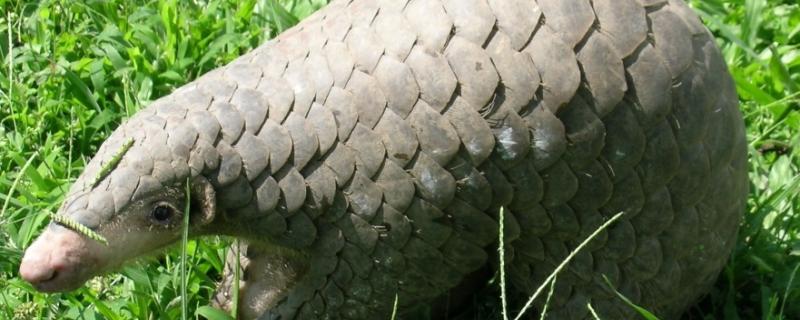
Researchers at the World Animal Protection and University of Oxford, UK, have analysed why some rural tribes in Assam hunt pangolins, the motivation behind this and possible interventions to stop hunting.

Mumbai

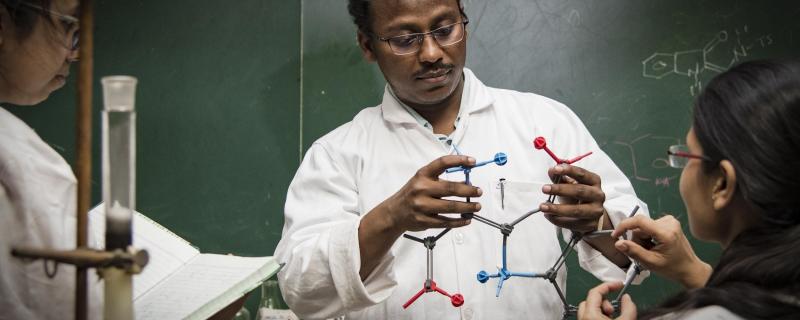
Prof. Chandra M. R. Volla, an Associate Professor in the Department of Chemistry, Indian Institute of Technology Bombay, has won the NASI Young Scientist Award 2018 for his research in the field of chemical sciences. His work deals with catalysis, the process of accelerating a chemical reaction by the use of an agent referred to as a catalyst. He shares the award with three other recipients.

Hyderabad

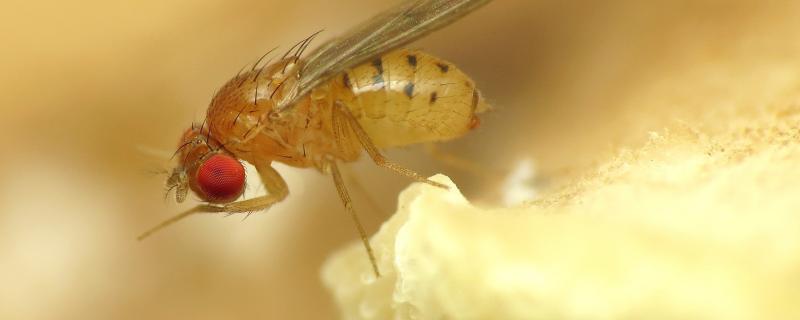
Researchers from two Spanish institutes—the University of Barcelona and the Barcelona Institute of Science and Technology, and CCMB in Hyderabad, have identified some genes and regulatory elements involved in damage-response of the Drosophila regeneration process.


Bengaluru

Study from IIT Bombay finds that airborne pollutants affect the water available for agriculture.

Bengaluru

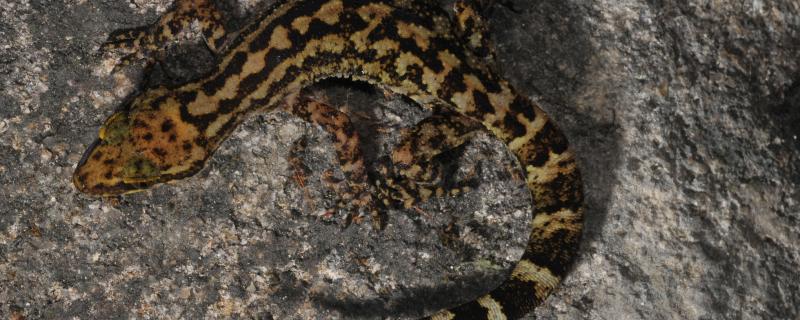
Researchers discover eight new species of bent-toed geckos in the Northeast states of India.

Astronomer Carl Sagan once said, “Somewhere, something incredible is waiting to be known.” Little did we know that this “something”, for the field of tissue engineering, would be a little spinach leaf!

New Delhi

In a recent study, researchers from the Jawaharlal Nehru University, New Delhi, Johns Hopkins School of Public Health, USA, St. John’s National Academy of Health Sciences, Bengaluru, and the King George's Medical University, Lucknow, have revealed how changes in the gut microbes are related to inflammation in the HIV-infected children.

Search Research Matters