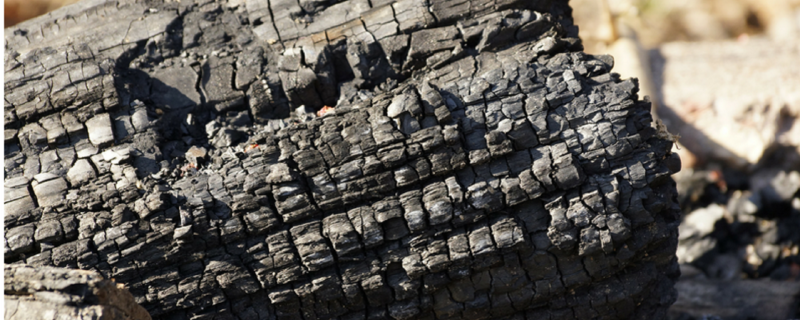
After graphene, carbon nanocones are now an exciting form of carbon for material scientists. As the name suggests, they are conical structures made up of carbon, where graphene sheets are folded like a party cap with a height and diameter of a few nanometers (1 nanometer = 1/1,000,000,000th of a metre). With unique properties due to their conical shape, they have a wide range of applications, including being used as a tip of the probe of a high precision microscope used to record activity at an atomic level.
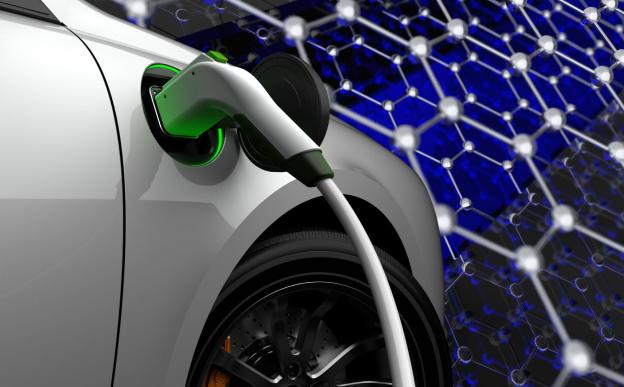
Research reveals that graphene-enhanced batteries can slash electric vehicle charging times by up to 27% while cutting battery weight by more than half, potentially solving the biggest hurdles to green transportation.