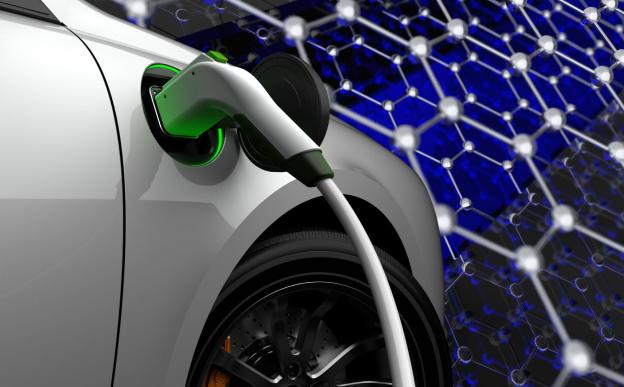
Research reveals that graphene-enhanced batteries can slash electric vehicle charging times by up to 27% while cutting battery weight by more than half, potentially solving the biggest hurdles to green transportation.

General

New Delhi

Indian Institute of Science (IISc), Bengaluru has for the third consecutive year, bagged the top rank in the National Institutional Ranking Framework (NIRF) which was announced by the Minister of Human Resource Development, Shri. Prakash Javadekar on 03 March 2018.
Mumbai

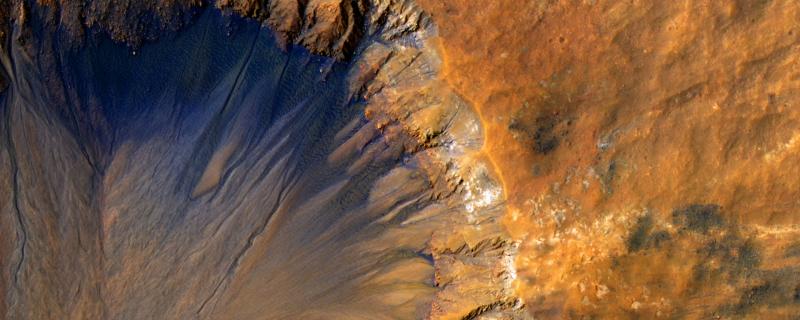
Using space-borne remote sensing instruments, scientists from Indian Institute of Technology Bombay (IITB) have detected evidence for hydrous and hydrated minerals on the Martian surface. An excess of such minerals were found associated with impact craters on Mars and could be a result of either pre-existing ancient hydrothermal systems or hydrothermal systems that were created due to the impact by meteors, asteroids and comets.

Pune

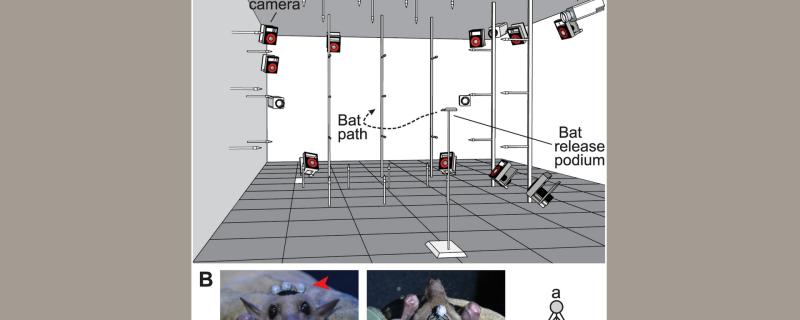
Bats use high frequency sounds waves to echolocate their food. While most bats move their heads, nose, ears or mouth to change the direction of the sound waves they produce, Egyptian fruit bats do so without any visible movements in their head or body. Scientists from IISER Pune and University of Washington, USA, Johns Hopkins University, USA explore how they pull off this feat.

Bengaluru

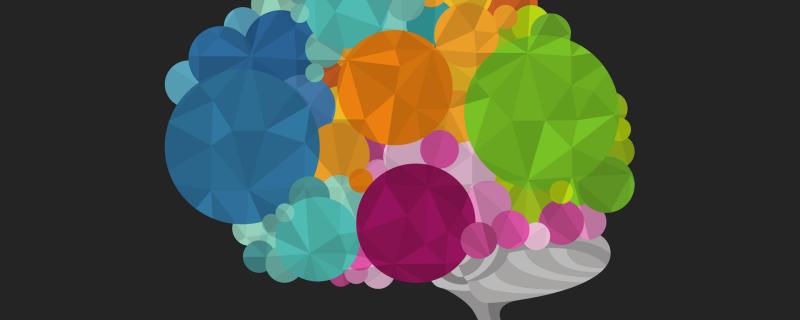
Our brain is a ballroom echoing with humming footsteps of exquisite dancers a.k.a 'brain waves'. Synchronised electrical pulses from neurons communicating with each other produce these brain waves that ricochet throughout the brain. They skillfully route information in a way that allows the brain to choose which signals should be considered vital.

Bengaluru

What is dark matter? Where and how does it exist? These are some of the questions scientists from the Raman Research Institute and Indian Institute of Science, Bangalore, have attempted to answer in their recent paper.

Evolution has equipped us with ingenious stress responses (flight or fight), to maximise our chances of survival against life threatening threats. An adrenaline rush prompted by our brain during threats increases our blood pressure, heart rate and blood sugar levels enabling us to remain alert and respond to threat. Cortisol, a stress hormone released by the brain keeps these levels high as long as the perceived threat persists.

Mumbai

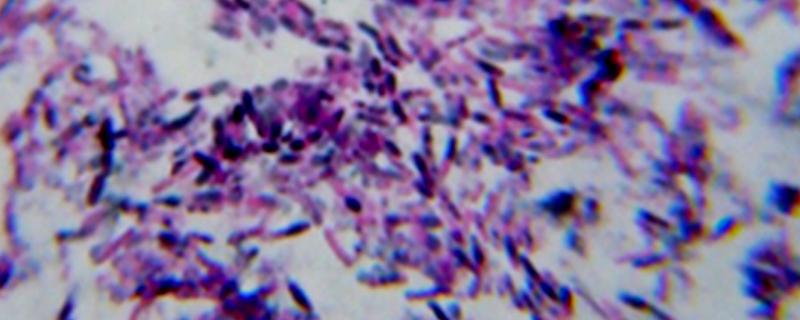
Have you ever wondered how a tiny bacterium enters your body from the surroundings and causes havoc? A simple explanation could be that it enters your body when you take in the contaminated air or water or through contact. But, how exactly does it move around once inside the body, or even in air or water? It does so in two ways; it either wiggles around with the help of flagellum—a lash-like appendage that protrudes from the body, or uses its body weight (specifically, its head) to propel itself. So what path does it trace when it moves?

Bengaluru

Silver nanoparticles are nanoparticles of silver whose size varies from 1 nm to 100 nm. They are commonly used in the manufacture of about 200 consumer products, including clothing and cosmetics. While their antibacterial properties are hailed, reckless dumping of these nanoparticles is reported to pollute water and soil due to formation of toxins like silver sulfide.

Bengaluru

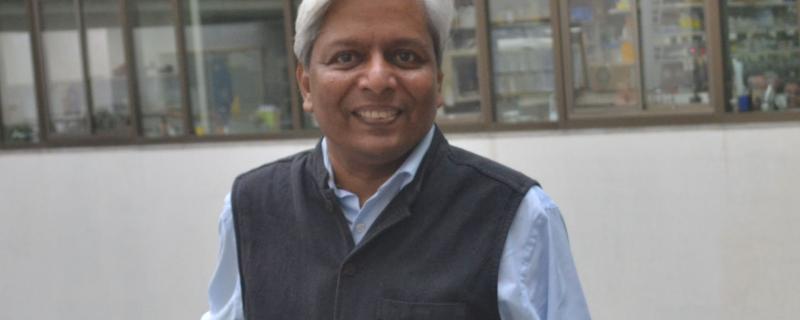
On the 26th of March, 2018, Prof. K VijayRaghavan, ex-Secretary, Department of Biotechnology (DBT), and ex-Director of the National Centre for Biological Sciences (NCBS), was appointed the Principal Scientific Adviser to the Government of India. He succeeds Dr. R. Chidambaram and is expected to assume the office shortly.

Bengaluru

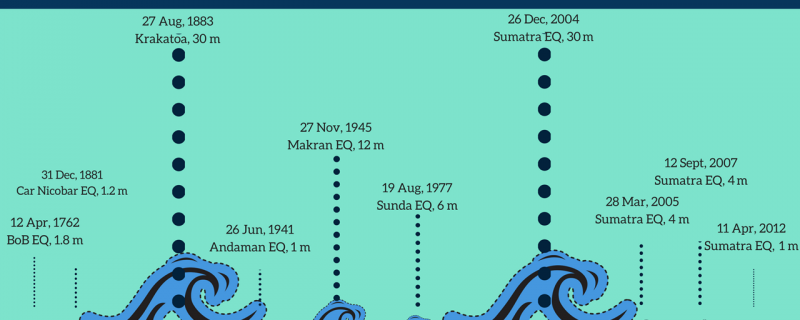
After the devastating Tsunami in 2004, various measures have been taken by the Government of India to be more prepared in the future. Indian Tsunami Early Warning System (ITEWS) is one such effort undertaken by  Indian National Centre for Ocean Information Services (INCOIS).

Search Research Matters