A new review reveals that rising global temperatures, increased pollution, and extreme weather events are driving a global surge in eye diseases, disproportionately affecting vulnerable communities and challenging healthcare systems.

General

Bengaluru

A new study puts the focus of the conversation on Climate Change on Climate Justice.

Bengaluru

Study finds plants, which were earlier found in lower elevations, are now replacing the native vegetation of the higher altitudes.  

Bengaluru

A new study projects that between 2017-2030, India may witness a whopping 6.8 million deficit in the females born, by 2030.

Mumbai

Researchers develop a powerful stochastic neuron, like those in our brain, using random access memory to aid breakthroughs in artificial intelligence

Mumbai

Researchers from IIT Bombay find how temperature, humidity and properties of different surfaces influence the evaporation rates of respiratory droplets infected with COVID-19.


Chennai

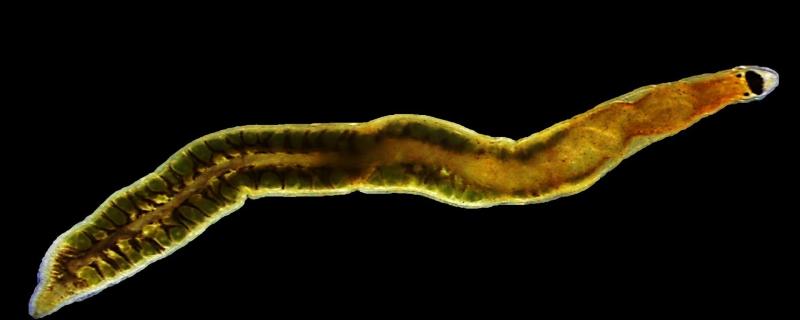
Tetrastemma freyae [Image credits: Mohandhas S Vignesh]

Mumbai

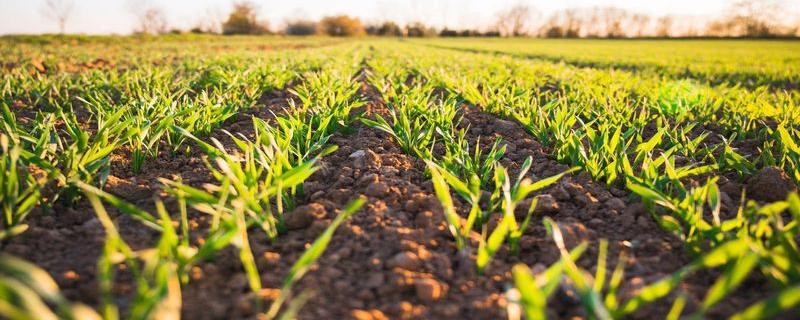
Photo by Jan Kopřiva on Unsplash

Researchers use ultra-small graphene particles to develop a new soil moisture sensor

Roorkee

Researchers at the Indian Institute of Technology (IIT) Roorkee, India, and Kyoto University, Japan, have designed a machine-learning algorithm to identify the grade of glioma with high accuracy.

Bengaluru

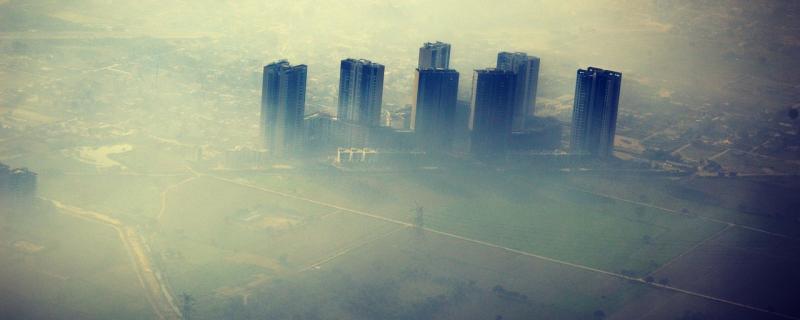
Researchers from about 100 institutions across India, present a comprehensive picture of the deaths, diseases and reduced life expectancy caused by polluted air in different states of India.

Mumbai

Researchers from the Tata Trusts, Institute of Economic Growth, India and Harvard University, USA, have tried to understand how people's socio-economic status affect their food habits and the diversity of the food they eat. 

Search Research Matters