
Hepatitis C is an infectious disease caused by the hepatitis C virus (HCV). The virus spreads through blood-to-blood contact, and is usually associated with the use of intravenous drug use, blood donations and other unhygienic use of medical equipment leading to exchange of blood. Once infected, a patient can go years without facing severe symptoms, like liver failure and cirrhosis, only to feel it’s accumulated effects after a long period.
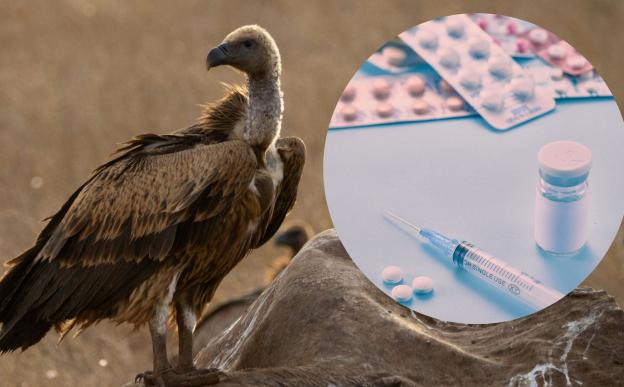
Despite successful bans on the veterinary drug diclofenac in Nepal and parts of India, a decade-long undercover investigation reveals that toxic alternatives like flunixin and nimesulide are rapidly replacing it, posing a renewed existential threat to the region’s critically endangered vulture populations.