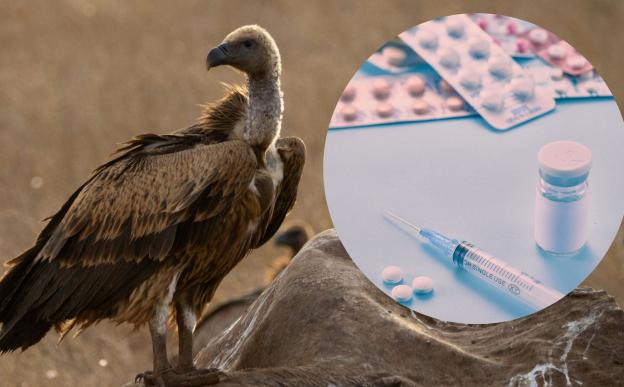
Despite successful bans on the veterinary drug diclofenac in Nepal and parts of India, a decade-long undercover investigation reveals that toxic alternatives like flunixin and nimesulide are rapidly replacing it, posing a renewed existential threat to the region’s critically endangered vulture populations.

Science

Researchers from Pondicherry University, Puducherry and SRM University, Chennai have recently demonstrated a novel device made of Nickel/ Nickel oxide (Ni/NiO) and graphene that could be used to store hybrid-energy.
Bengaluru

[field_op_main_image]

In an interdepartmental collaborative study, scientists from the Indian Institute of Science, Bangalore, study live cells under the microscope. Using a novel experimental setup to stretch cells, the scientists are able to observe cellular phenomenon like mechanotransduction.

Scientists from the Indian Institute of Technology- Madras, Chennai and CSIR- Central Leather Research Institute, Adyar, Chennai have developed a new drug combination to effectively treat diabetic wounds.

Guwahati

[field_op_main_image]

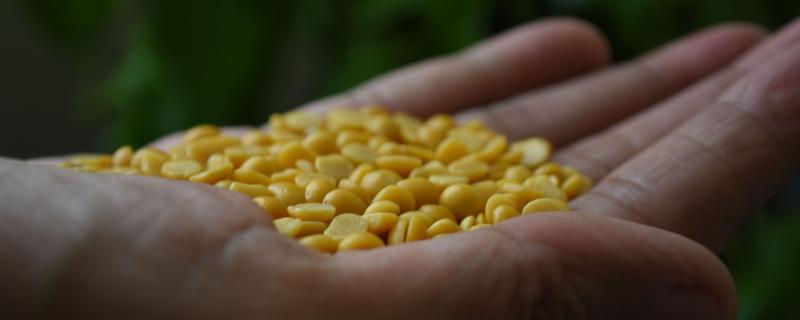
Researchers from the Indian Institute of Technology, Guwahati have developed a genetically modified variety of cowpea resistant to Mungbean Yellow Mosaic India Virus. Since the legume grain is one of the major sources of protein for a section of the country’s population, this discovery is important to ensure that the yield of the crops is not affected.

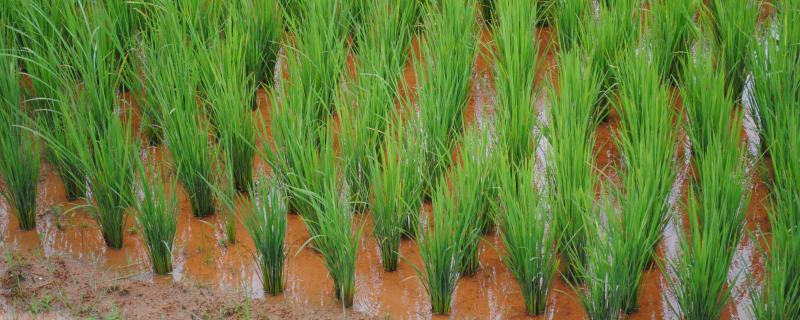
Scientists from Sun Yat-sen University, China, International Centre for Genetic Engineering and Biotechnology, Delhi, Indian Institute of Rice Research and Agri Biotech Foundation have explored the microbiome or microbes associated with a major rice pest, Asian Rice Gall Midge.

Bengaluru

[field_op_main_image]

The conversion of lush green forests into plantation for the profit of the East India Company still have lasting effects on the Indian wildlife today. Researchers from the Centre for Wildlife Studies, Bangalore, study the conflict between leopards and humans due to this altered landscape. They find that from tea plantations to protected areas, leopard inflict non fatal attacks on humans, which are most likely the big cats attempt to defend itself.

An international team of scientists from Indian Institute of Technology –Indore, India, University of Witwatersrand,  South Africa, Raman Research Institute, India, Tata Institute of Fundamental Research, India and Australia Telescope National Facility, Australia has, for the first time, calculated the power radiated by high-energy electrons in radio galaxies and galaxy clusters.

Mohali

Scientists from the Indian Institute of Science Education and Research at Mohali, study how a type of genetic material called messenger RNA (mRNA)and how it interacts with STAR proteins. The findings of the study shed light on protein folding and could also be used to design new types of drugs.

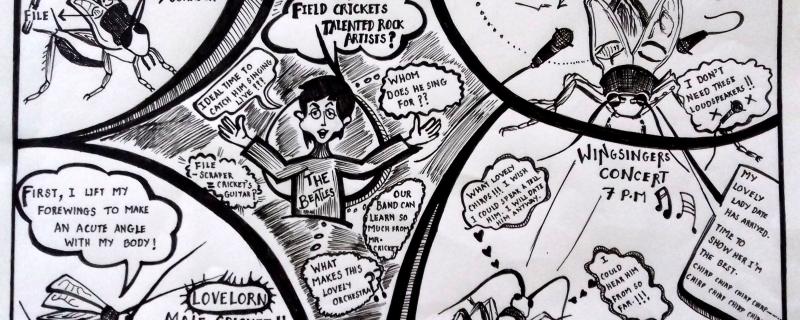
If ever the Beatles were to be formed again, they would definitely agree to rope in field crickets, the distant rockstar relatives of grasshoppers, into their influential band. The male members of the Gryllidae family are noted in the animal world for the music they make with their forewings. As the sun goes down and the dark is welcome, the musical concert of adult male field crickets goes live. Some sing continuous trills, the others produce periodic chirps to enchant the ladies of their own species for mating.

Researchers from the CSIR- Institute of Himalayan Bioresource Technology, Palampur, Himachal Pradesh have discovered the presence of a novel cryptic virus tentatively called the Arhar cryptic virus-1 in Pigeonpea plants from pigeonpea field in Telangana state.

Search Research Matters