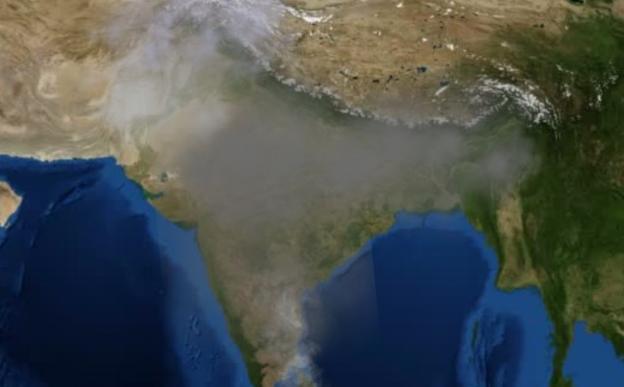
Satellite analysis confirms rising temperatures and wind patterns are driving aerosol spikes across India, with a record high in 2022 following the historic lows of the COVID-19 lockdown.

Technology

Bengaluru

A recent assessment by the World Meteorological Organisation has declared heat waves as the deadliest extreme weather event in the years 2015–2019, causing more than 8,900 deaths globally. In May 2015, temperatures crossed 45°C in Odisha and Telangana in the fifth deadliest heat wave in history, with a death toll of 2,300. With 30% of the global population living in regions susceptible to 20 heat wave days in a year and the rising global temperatures, one can conclude that its toll will only increase in the years to come. In such situations, warnings about impending heat waves can be lifesavers. However, very few studies have focused on such a prediction system to date, with none looking at real-time predictions. Now, researchers have developed a prediction system to predict heat waves a couple of weeks in advance. The study, funded by the Ministry of Earth Sciences, Govt. of India, was published in the journal Scientific Reports.
Bengaluru

The India International Science Festival, the country’s science extravaganza, begins today in Kolkata, the City of Joy. The event, held from 5th of November to the 8th of November, 2019, is being organised by the Ministry of Science and Technology and Ministry of Earth Sciences, Government of India, in association with Vijnana Bharati (VIBHA). The event, held in multiple venues across the city, hosts many conferences, conclaves and exhibitions aimed at anyone enthusiastic about science.

Bengaluru

Among the various types of cancer, Urothelial Bladder Cancer (UBC) is responsible for around 2 lakh deaths per year around the world. This cancer affects the inner lining of the bladder and is the most common form of bladder cancer. It usually affects aged individuals, with blood in urine and painful urination as the first sign of its manifestation. Conventional methods of treatment involve surgical removal of cancerous tissue in the bladder and chemotherapy.

Bengaluru

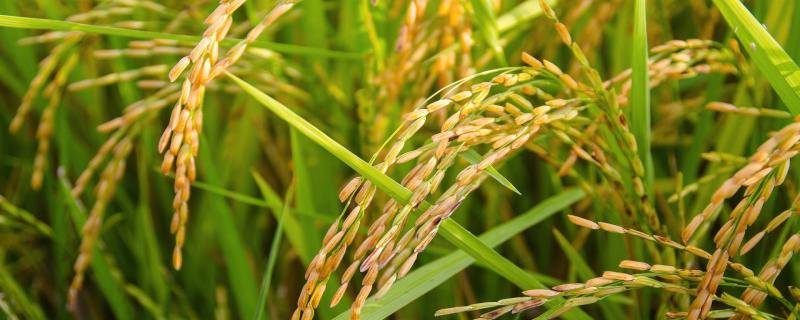
In a country that predominantly depends on rain for irrigation, loss of crops due to disruptive weather continues to be a source of distress to farmers, and approaches to make crops tolerant to the vagaries of weather are necessary. In a recent study, researchers have shown that, by modifying particular genes, rice plants can be kept alive through periods of acute salinity in their water supply. 

Bengaluru

One of the annoying side effects of being absorbed in a gripping novel is that the cup of tea on the table becomes cold! Unfortunately, the tea would not heat itself by absorbing the heat around it, just as pieces of a broken egg would not put themselves together or milk mixed in coffee would not separate by itself. Such things are irreversible, and define a fixed direction of time—that from the past towards the future. This apparent progression of time is called the ‘arrow of time’. In a recent study, Prof Mahendra Verma of the Indian Institute of Technology Kanpur, suggests a way, different from any previous ones,  to determine the direction in which time is progressing. He uses the concept of energy cascade to define the arrow of time.

Mumbai

Researchers at the Indian Institute of Technology Bombay (IIT Bombay) and the University of Birmingham, UK hope to better understand urinary incontinence and possible interventions for those suffering from this condition.

Bengaluru

In a recent study, published in the journal Current Science, researchers from Banaras Hindu University (BHU), Varanasi, South Asian University, New Delhi, and Leibniz Institute for the Social Sciences, Germany, have studied how much attention Indian research gets on social media.

Bengaluru

The nucleus of the cell holds our genetic material and is a vital part of our cell. Apart from what they carry, how they look also plays a crucial role in diagnosing many diseases. In a recent study, researchers at the Indian Institute of Science (IISc), Bengaluru, have developed a mechanical model to quantify the shape of the nucleus and predict the biochemistry within a cell. They have used this model to show how Hepatitis C virus changes the nuclear mechanics of cells affected by it. This study is published in the Biophysical Journal.

Bengaluru

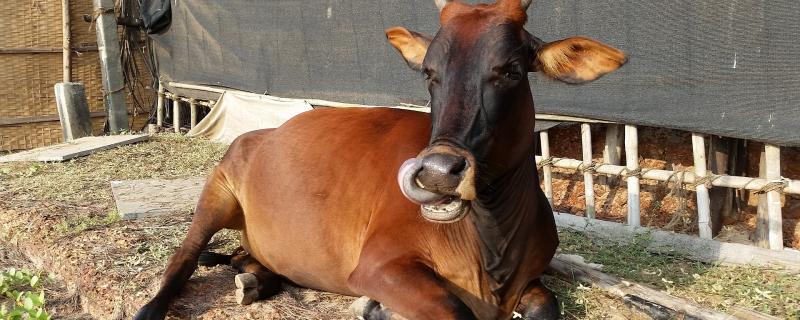
Antimicrobials, a class of drugs used in humans and animals to treat diseases caused by bacteria, fungi, and parasites serve as a proxy for good hygiene and make up for the poor husbandry practices in animal farms in low and middle-income countries around the world. However, this dereliction comes with a considerable cost wherein, the overuse of these drugs has led to these microbes developing resistance against the very same drugs used to kill them.  Antimicrobial resistance (AMR) in humans is linked to several animals, especially those that are raised for food. Despite this knowledge, it has received little attention in the world of animal science. A new study, published in the journal Science, has mapped the global trends of antimicrobial resistance in farm animals, with particular focus on developing countries, including India. 

Bengaluru

In a press announcement released yesterday, India has now joined 16 other countries as a Member of the Global Antimicrobial Resistance (AMR) Research and Development (R&D) Hub. For a country that ranks the highest in antibacterial resistance, this move expands global partnership opportunities to address challenges and improve collaboration in addressing the growing epidemic of antimicrobial resistance.

Search Research Matters