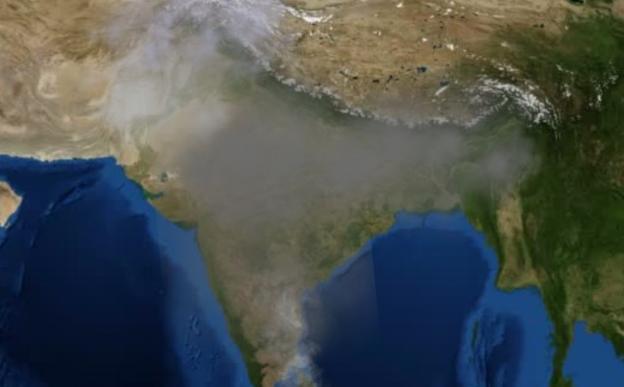
Satellite analysis confirms rising temperatures and wind patterns are driving aerosol spikes across India, with a record high in 2022 following the historic lows of the COVID-19 lockdown.

Technology

Bengaluru

Researchers from Singapore, Thailand and the USA, have created an antidiabetic medicine using extracts from Withania coagulans, commonly known as the Indian Rennet or paneer dodi.
Mumbai

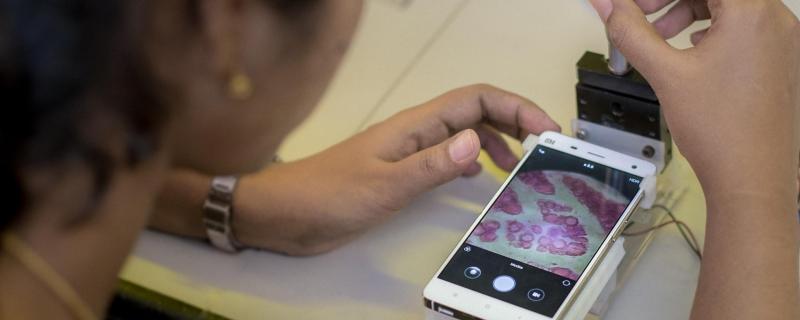
IIT Bombay researchers develop techniques to make tiny, inexpensive lenses that can be used on smartphones.


Guwahati

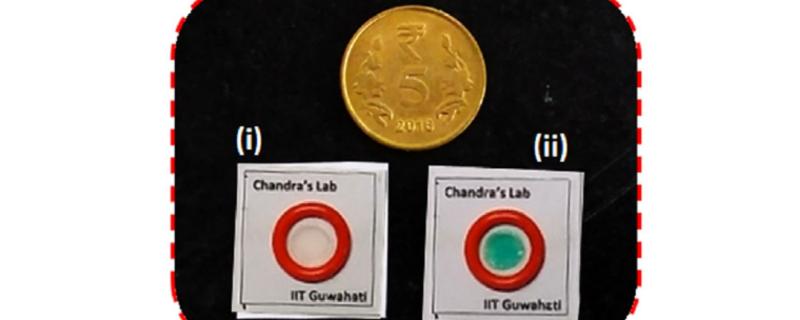
In this digital age, ruled by smartphone apps, how about one to tell you how fresh your milk is? Although there are stringent safety rules concerning the quality of milk, almost 68% of what is available in the country does not conform to them. In a recent study, researchers at the Indian Institute of Technology Guwahati have come up with a paper-based detection system to detect if a sample of milk is pasteurised and fresh. This technique, they say, is cost-effective, rapid, user- and environment-friendly.

Bengaluru

Researchers from IISc, Bengaluru and IBM Research-India have developed a machine learning-based technique to manage the demand and supply of power in a network of microgrids while maximising profit. Since such local grids can run on renewable sources of energy instead of relying on fossil fuels, they also reduce carbon emissions and are sustainable.

New Delhi

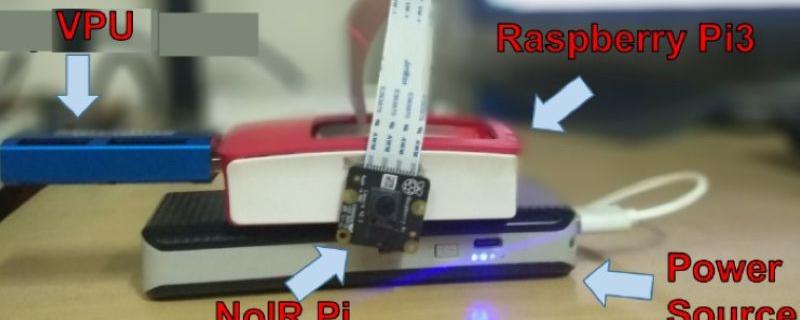
Researchers at IIT Delhi develop a portable hardware system to detect malaria, tuberculosis, intestinal parasites and cervical cancer.

Bengaluru

Researchers from IISc, Bengaluru, have investigated whether renewable energy sources and their large-scale integration into the electricity grid can help transition our electricity system into a ‘clean energy’ system.

Mumbai

A theoretical study from IIT Bombay can help make our military communication more robust.

Kanpur

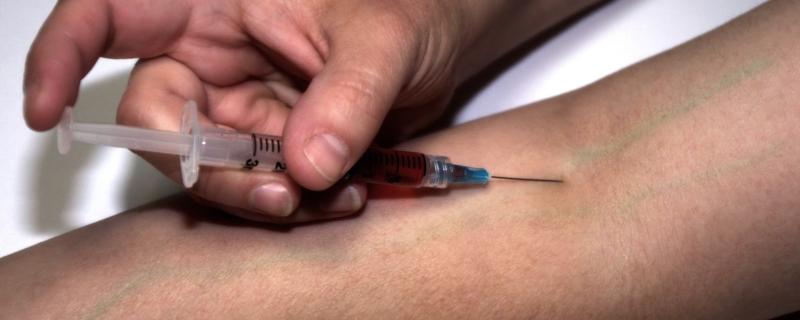
Indian Institute of Technology Kanpur try to understand the physics behind how a mosquito punctures the skin without causing pain. They found that low-frequency vibrations, along the axis of the needle, considerably reduces the resistance to piercing, thus reducing the pain. 


Mumbai

The need for secure electronic devices is pervasive at all levels; from banking transactions to defence and surveillance applications.

New Delhi

Researchers from the IIITD, CSIR-IMT and DU designed NeuroPIpred, a web-based tool that uses machine learning techniques to craft insect-specific pesticides.

Search Research Matters