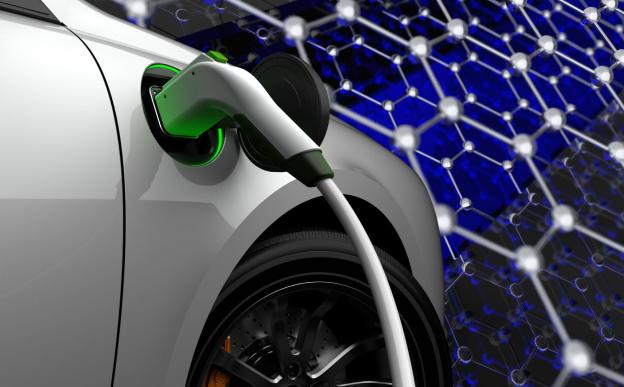
Research reveals that graphene-enhanced batteries can slash electric vehicle charging times by up to 27% while cutting battery weight by more than half, potentially solving the biggest hurdles to green transportation.

Deep-dive

Bengaluru

Study by researchers from  Institute of Public Health, Bangalore investigate how successful Primary healthcare Centres are for treating non-communicable diseases like diabetes and hypertension. They find many loopholes in the healthcare delivery system.
Bengaluru

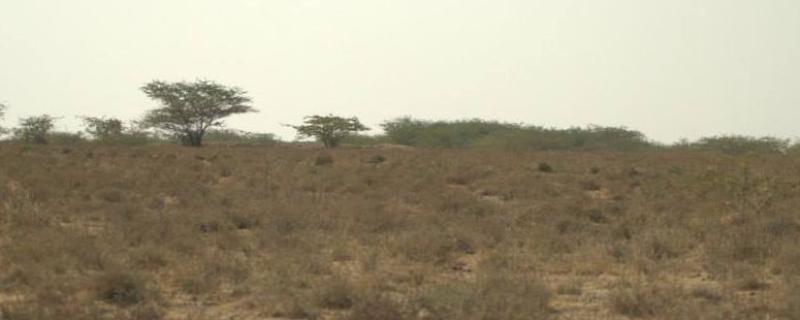
Are grasslands and deserts wastelands? How are these ecosystems affected by change in land use due to humans? In a recent study, researchers  study these complex ecosystems to understand crucial transition points for the system, after which it cannot revert back to its original state.

Indore

Researchers from the Indian Institute of Technology Indore, India; University of North Texas, USA and the National Institute of Technology Goa, highlight how changes made to patent policy in 2005 have boosted research and development in the country.

Pune

Accurate prediction of the monsoon is important for all sections of the society. A study from Indian Institute of Tropical Meteorology shows how we can now predict the accurate arrival of monsoon rains almost three months in advance.

Bengaluru

Dogs have been introduced in various places across the world, where they were not found before by humans. In a recent study, researchers from the Ashoka Trust for Research in Ecology and the Environment study how dogs affect the local biodiversity.

Bengaluru

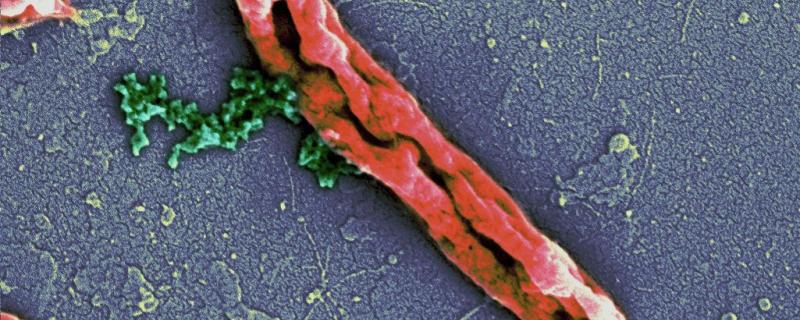
Researchers from the Indian Institute of Science, Bangalore use a computational approach to design peptides which are highly effective in killing drug resistant microbes.

Bengaluru

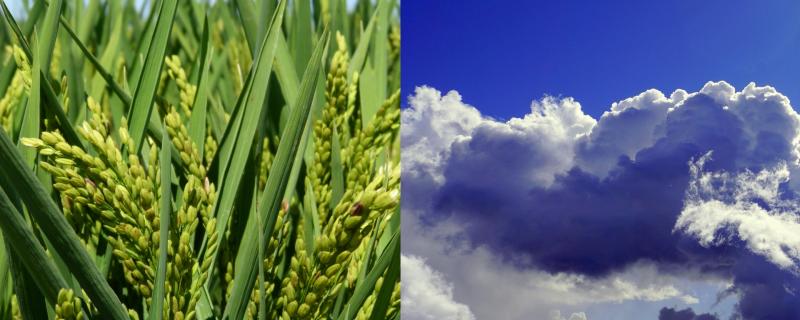
Scientists from the Indian Institute of Sceince, Bangalore show us how the humble grain of rice can be a historian and meterologist!

Kanpur

Scientists from the Indian Institute of Technology, Kanpur, devise a new method to make chemotherapy safer and easier with the help of liposomes.

Pune

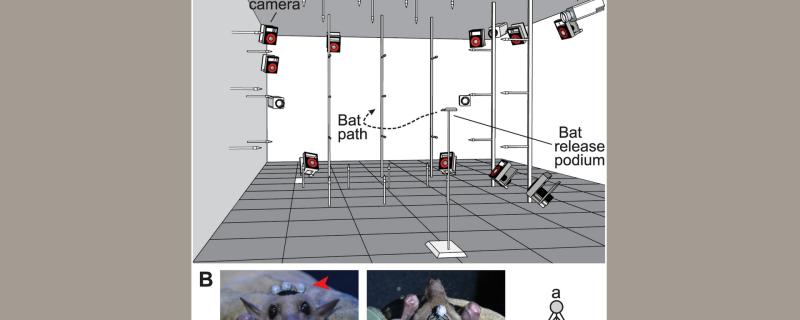
Bats use high frequency sounds waves to echolocate their food. While most bats move their heads, nose, ears or mouth to change the direction of the sound waves they produce, Egyptian fruit bats do so without any visible movements in their head or body. Scientists from IISER Pune and University of Washington, USA, Johns Hopkins University, USA explore how they pull off this feat.

Bengaluru

What is dark matter? Where and how does it exist? These are some of the questions scientists from the Raman Research Institute and Indian Institute of Science, Bangalore, have attempted to answer in their recent paper.

Search Research Matters