A team of researchers have discovered a new species of ginger hidden in the lush, remote Siang Valley of Arunachal Pradesh. Named Parakaempferia alba, the plant was identified by researchers from the CSIR-North East Institute of Science and Technology and local colleges. The discovery, published in the Nordic Journal of Botany, marks a major milestone for the region’s biodiversity, as it is only the second species ever found within its specific genus.
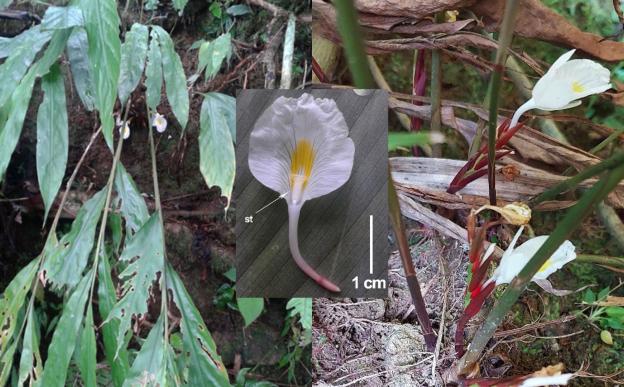
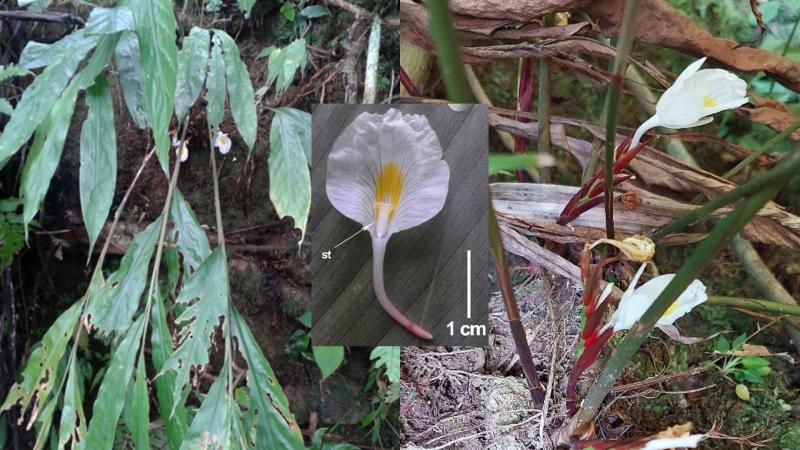
The journey to this discovery began a decade ago. Researcher Tatum Mibang first collected a specimen of the plant in 2015, but it remained unstudied in a local herbarium for years. It wasn’t until a recent follow-up expedition into the Siang Valley that the full team spotted the plant again. They noticed a unique leafy stem bearing delicate white flowers and several spikes growing from the base. After comparing the plant to historical records and digital databases of known species, the researchers confirmed they had found an entirely new species.
What makes Parakaempferia alba stand out is its striking appearance. Unlike its only known relative, Parakaempferia synantha, which features purple and red tones, this new species is defined by its snowy white flowers. The plant has thin, papery leaves that sit almost directly on the stem without long stalks. It produces between 2 and 8 flower spikes, significantly more than its relative. Its most identifying feature is the labellum—a large, prominent petal in certain flowers—which is white with distinct watery stripes and a bright yellow band down the centre.
The scientists chose the name alba for the new species as a nod to its appearance. The word is Latin for white, referring specifically to the white colour of the plant’s anther and its connective parts.
While the discovery is a cause for celebration, the researchers have raised concerns about the plant's future. Parakaempferia alba appears to be extremely rare, growing only in a very specific habitat: the steep, shady slopes of small stream banks in humid, sandy soil. Because it has only been found in one tiny area so far, scientists have categorised it as Data Deficient but warn that human interference in its habitat could put it at risk of extinction. This find highlights how many secrets the Eastern Himalayas may still hold, provided the environment is protected long enough for scientists to find them.