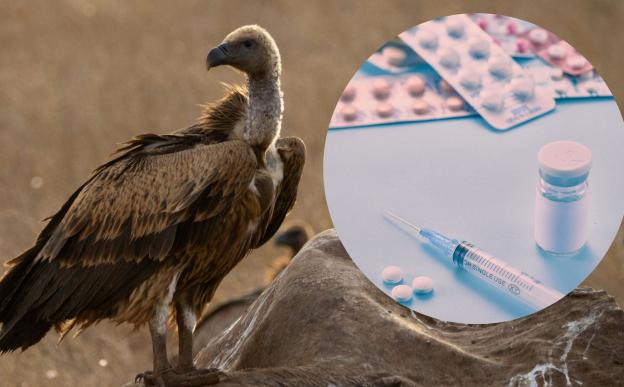
Despite successful bans on the veterinary drug diclofenac in Nepal and parts of India, a decade-long undercover investigation reveals that toxic alternatives like flunixin and nimesulide are rapidly replacing it, posing a renewed existential threat to the region’s critically endangered vulture populations.

Ecology

Bengaluru

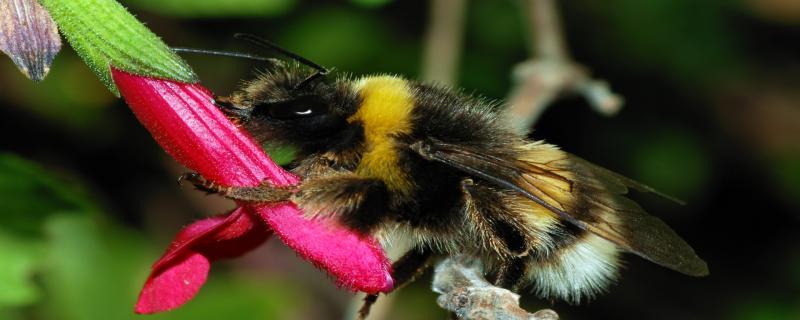
A first-of-its-kind study details diversity and distribution of bumblebees in the Eastern Himalayas. 
Bengaluru

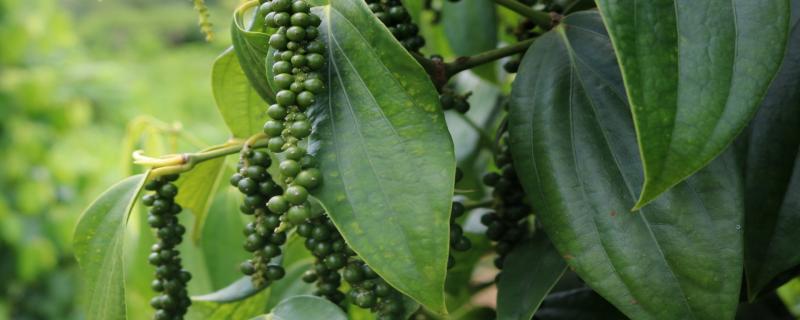
A team of researchers from the ATREE, Bengaluru, Concordia University, Canada, Quebec Centre for Biodiversity Science, Canada, and Jawaharlal Nehru Tropical Botanical Garden and Research Institute, Kerala, have traced the biogeographical origins of Piper genus in India.

Bengaluru

Researchers from the Zoological Survey of India describe a new species of bee Melitta indica from Uttarakhand, India

Bengaluru

Bengaluru’s decreasing tree cover and expanding concrete jungle in recent decades paints a grim picture of the city’s biodiversity. The tales of sparrows nesting on the roofs, parakeets pecking on the juiciest fruit in the backyard tree or the myriad coloured butterflies dancing in the garden are now fragments of imagination! So where have all the birds, animals and insects gone?

Mumbai

Researchers identify a bacterial strain that prefers aromatic pollutants over sugar as food 

Kerala

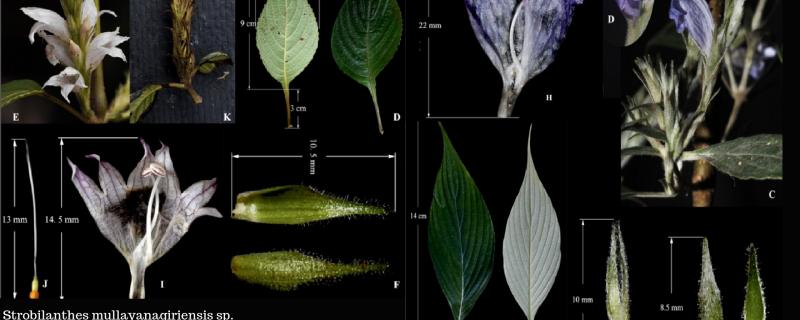
Every 12 years, the landscape of the Nilgiri Hills is covered with a blanket of purplish blue hues, thanks to the flowers of Strobilanthes kunthianus or Neelakurinji. In a recent study, researchers from the Carmel College Mala, Kerala, St. Thomas College Palai, Kerala, St.

Bengaluru

Researchers from the Natural History Museum, London, have uncovered the evolutionary links between the different species of centipedes dating back to Gondwana. 

Pune

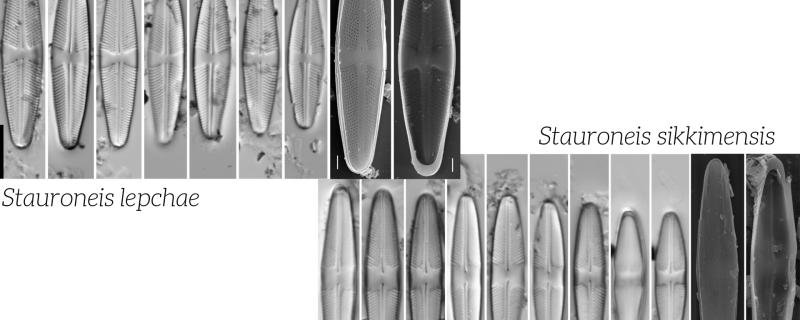
What do you get when a trip to Sikkim does not follow the plan, thanks to hectic schedule and unfavourable weather? It's frustration for many; an "Eureka!" moment for some! A trip, meant to meet up with fellow scientists, ended with the discovery of two new species of diatoms—Stauroneis sikkimensis and Stauroneis lepchae.

Bengaluru

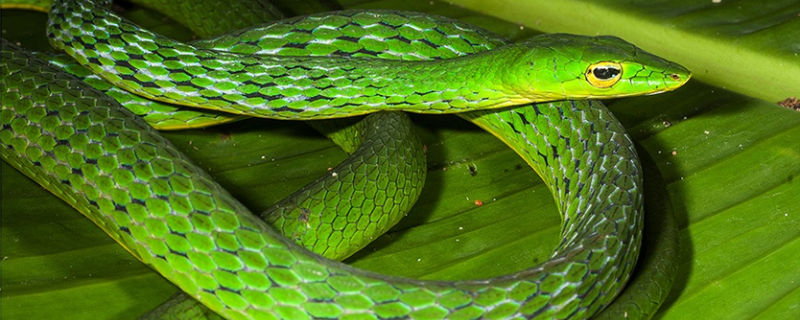
The team of researchers, from the Indian Institute of Science, Bengaluru were attempting to study and classify snakes in the Western Ghats systematically. That's when they came across Proahaetulla antiqua, which is endemic to the southern Western Ghats. What's more interesting is that it is an ancient species, thought to have evolved around 26 million years ago during the mid-Oligocene. 

Bengaluru

Every year, since 2010, the 29th of July is celebrated as the International Tiger Day to raise awareness about tiger conservation. India is home to over half of the world's tigers. New tiger populations are still being discovered, with one as recent as last year, in the Eastern Himalayas at altitudes of 3,630 metres. In 2010, India reportedly had 1,706 tigers, and this number increased to 2,226 in 2014. Isn't a 30% increase in population in just four years remarkable?

Search Research Matters