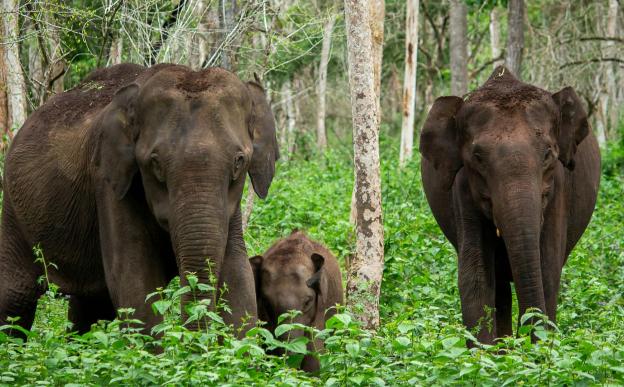
New research from India reveals that, contrary to long-held scientific beliefs, feeding on trees and shrubs does not provide Asian elephants with more protein than grazing on grass.
New research from India reveals that, contrary to long-held scientific beliefs, feeding on trees and shrubs does not provide Asian elephants with more protein than grazing on grass.
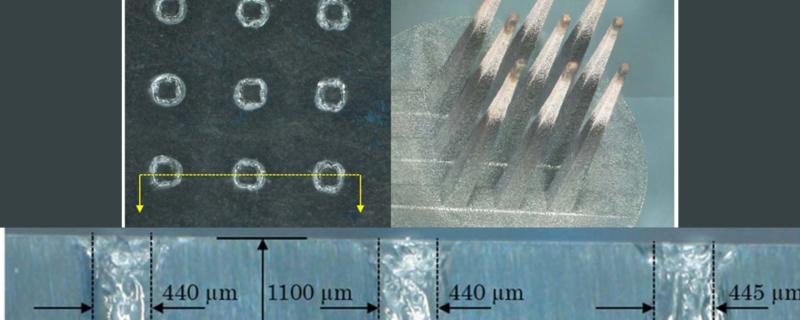
Researchers at IIT Bombay analysed the electrolyte flow and debris removal dynamics to demonstrate how Ultrasonic-Assisted Electrochemical Discharge Machining (UA-ECDM) can overcome the deep debris problem in microhole drilling for improved fabrication in brittle materials.
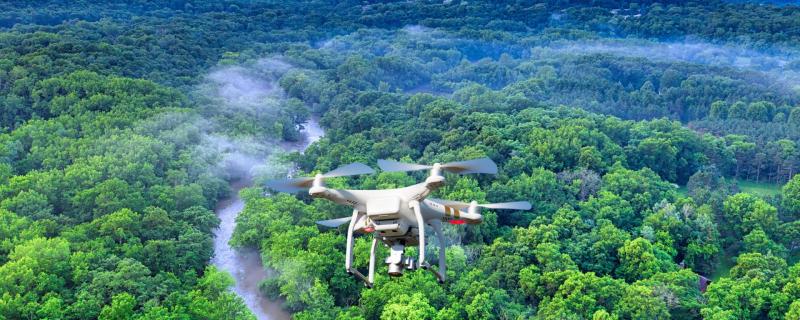
Deep learning models applied to drone images offer a fast, accurate, and scalable alternative to costly manual tree surveys.

Six young researchers have been named the winners of the Infosys Prize 2025, celebrating their extraordinary contributions to science and scholarship in India. The Infosys Science Foundation (ISF) announced the laureates, all under 40, who are being honoured for research that tackles some of the world’s most pressing challenges and complex theoretical problems. Their work ranges from creating absurdly fast algorithms to pioneering sustainable fertiliser production.
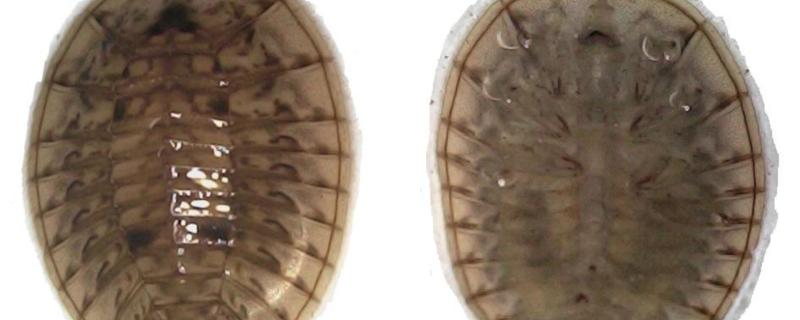
Researchers have uncovered a previously unknown species of the unique aquatic insect known as the water-penny beetle, marking the first-ever record of its genus in Tamil Nadu. The discovery, made in the fast-flowing Kurangani stream of the Bodi hills, introduces Jaechanax kuranganiensis to the world.
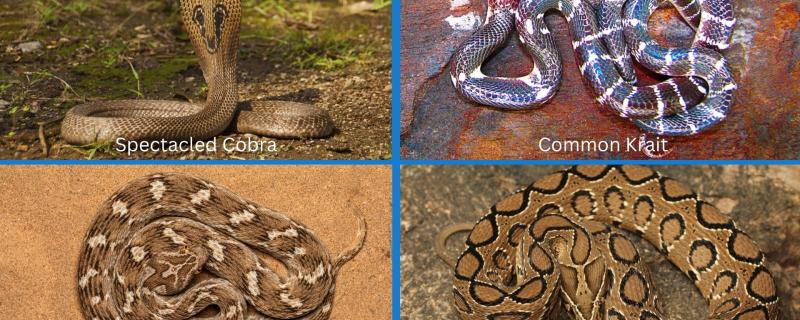
New study on India's four most medically important snakes—the spectacled cobra, Russell's viper, common krait, and saw-scaled viper—has revealed that a snake's age, or life stage, is the dominant factor determining the amount of venom it produces.
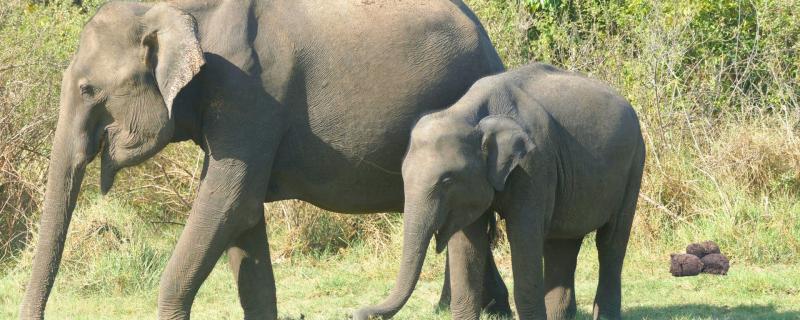
Researchers used genetic tracking and spatial modelling to overcome the limitations of dung counts, providing a reliable census of Asia's threatened elephants.

A newly observed gravitational wave event from the collision of two massive, rapidly spinning black holes forces scientists to reconsider how these cosmic giants are born and grow.
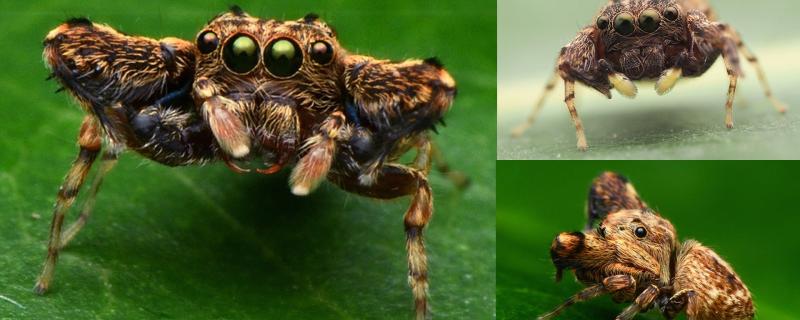
Pilia, an enigmatic genus of jumping spider has just been rediscovered in the tropical forests of Western Ghats after a staggering 123 years. The find has not only led to the description of a brand-new species, Pilia malenadu, but, also allowed researchers to document the first-ever female of the entire genus.
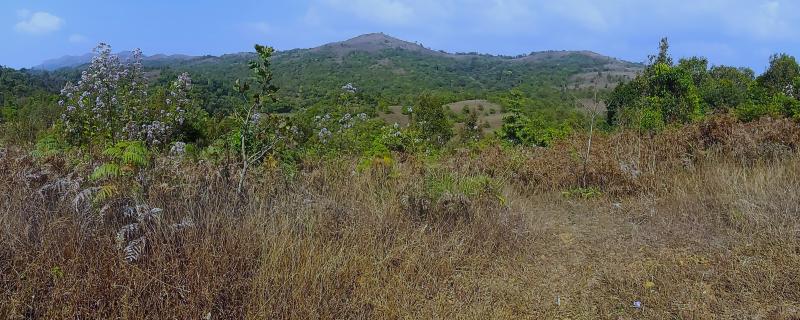
Synergistic pressures from land use changes and climate extremes are the primary drivers behind a worrying decline in the Western Ghats' ability to absorb carbon.