Study finds an increase in the rate of soil erosion post the extreme floods in August 2018.
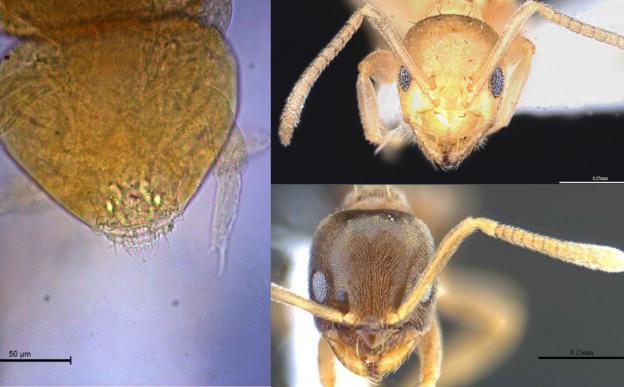
Three new species discovered in the Himalayas: a new springtail from Sikkim and 2 new ants from Assam.
Three new species discovered in the Himalayas: a new springtail from Sikkim and 2 new ants from Assam.

Study finds an increase in the rate of soil erosion post the extreme floods in August 2018.
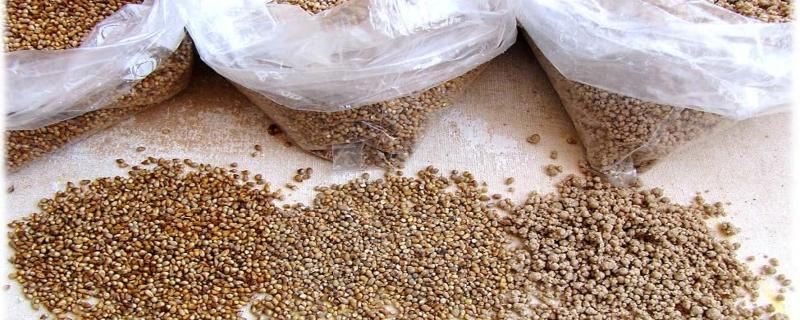
Researchers point out that growing millets can eliminate over-reliance on major staples like rice and wheat, and help address global food and nutritional security.

The detailed analysis of the stomach contents of two frogs provide evidence that frogs do play an important role in protecting crops against insects.

Researchers discuss the challenges in studying human-wildlife coexistence and the way forward.
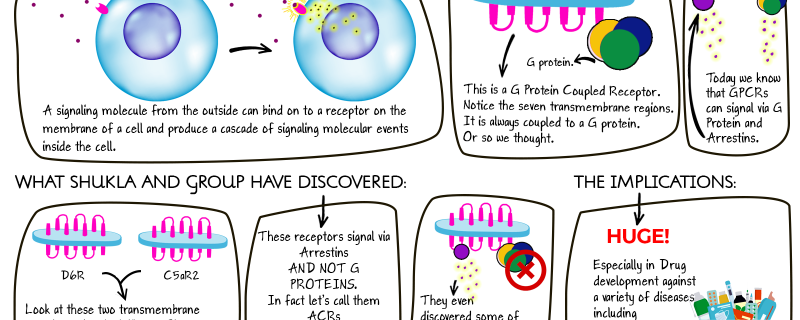
Researchers have shown that two receptors previously known as ‘silent receptors’ are not truly silent and that they signal via a different mechanism than was expected.
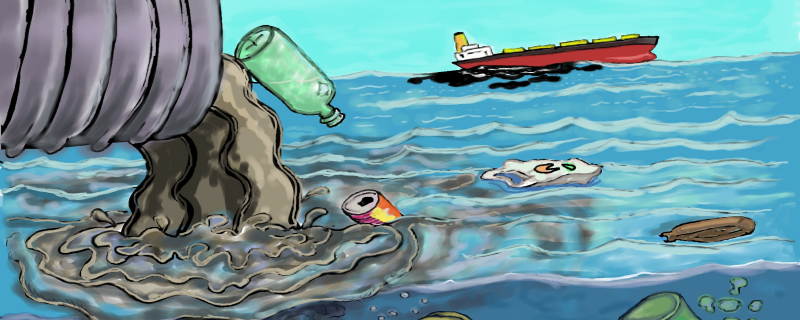
Plastics are stubborn trash and non-biodegradable. Yet, did you know our indiscriminate use of plastics has now permeated our oceans as well?
According to the United Nations, 80% of marine pollution is caused by land-based debris. Our waterways carry tonnes of waste — mainly discarded plastics and industrial waste —into the seas. Apart from that, ships and fishing boats dump discarded cargo, fishing nets and other debris into the sea.

Study identifies the role of DLX1 gene in prostate cancer demonstrating how its elimination leads to reduced carcinogenesis in mice models
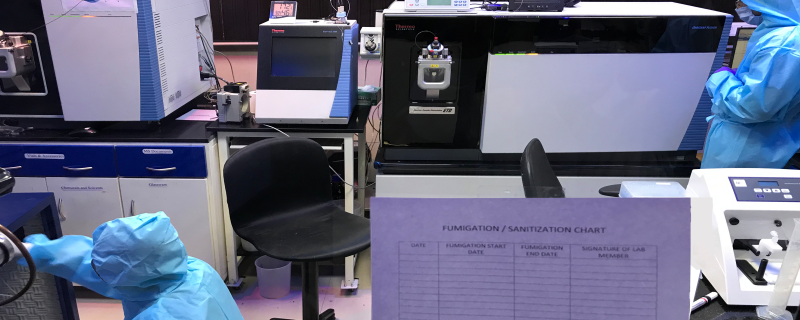
Researchers use mass spectrometry to determine the intensity of Covid-19 infection.
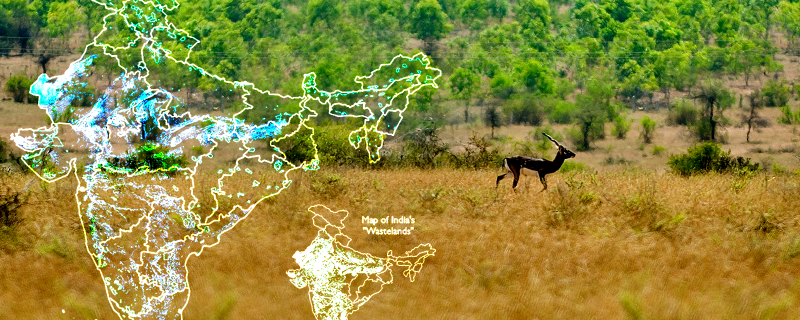
Research Matters caught up with Dr M D Madhusudan, one of the researchers involved in developing a high-resolution map of Open Natural Ecosystems (ONEs) in India, to gain insights into their work. Here are excerpts from the interview.
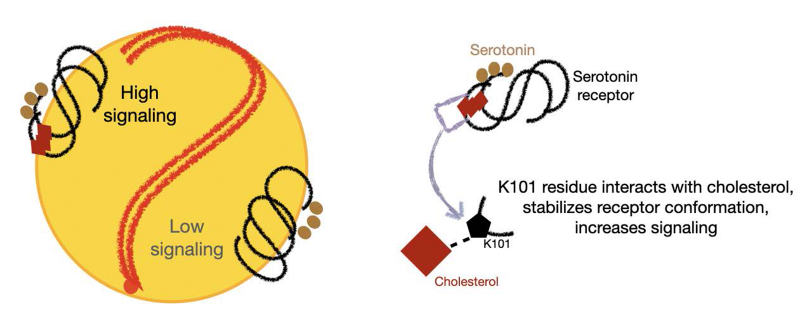
Researchers have identified that Lysine (K101) in the CRAC I region of the Serotonin receptor binds to cholesterol in the cell membrane and stabilizes its interaction with the receptor.