A new review reveals that rising global temperatures, increased pollution, and extreme weather events are driving a global surge in eye diseases, disproportionately affecting vulnerable communities and challenging healthcare systems.

General

Bengaluru

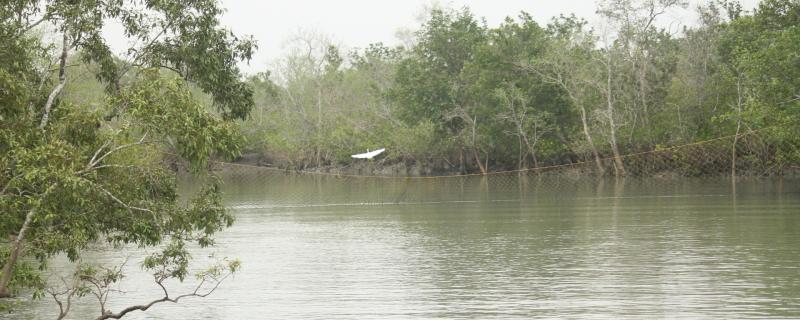
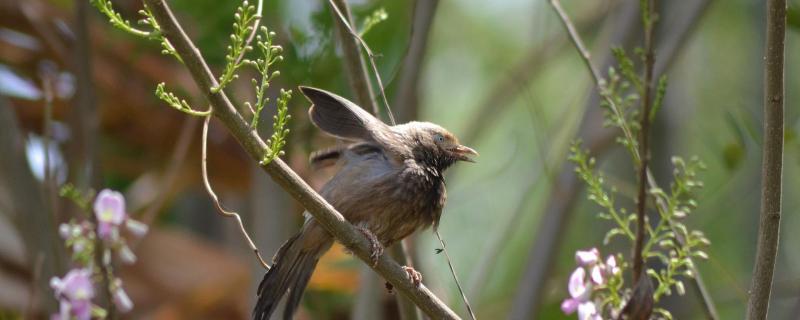
Every year, the 12th of November is observed as National Birdwatching Day, to mark the birth anniversary of India’s legendary ornithologist, Salim Ali. Regardless of where or when you watch birds, an intimate connection with mother Nature follows. On this national birdwatching day, try birding for a change and see what windows it opens up for you when you sit beside your window looking at the world through a binocular.

Mumbai

Study by Indian Institute of Technology Bombay, uses digital processing of archived satellite images to study the growth patterns in the Mumbai Metropolitan Region. 

Bengaluru

Starting in 2006, North Korea has made a series of nuclear tests in its hidden backyard. The country’s latest one was conducted in 2017 at Punggye-ri, some 3.6 kilometres northwest of its first nuclear test site. Despite its success, the test results provided loose estimates of the source parameters like the energy produced and the depth of the explosion. Since this was the most extensive test conducted by North Korea, it has evoked special attention among the scientific community in the last two years. While many studies have tried to reckon these parameters, the results were shrouded in uncertainty. Besides, the country’s political abnegation of seismometers called for an exigent need for a more accurate means of estimating the blast site’s characteristics. In a recent study, published in the Geophysical International Journal, a team of scientists from the Indian Space Research Organisation (ISRO) seems to have done just that.

Bengaluru

In January 2006, NASA launched the New Horizons space probe to explore the horizons of the Solar System and know what’s beyond all the planets. The space probe sailed about 5.9 billion kilometres for almost a decade, with state-of-the-art instruments on board, before it met Pluto, a now downgraded ‘dwarf planet’. Three and a half years later and still gliding, it encountered ‘2014 MU69’—the farthest object in the Solar System ever to be visited by a spacecraft. Today, this oddly named object has a fancy moniker—Arrokoth—and we now know a whole lot about this distant Kuiper Belt Object than ever before, thanks to three new studies.

Mumbai

Bureaucracy and political interests hinder the implementation of the Forest Rights Act, finds study 

Bengaluru

In the 18th and 19th century, Britain was abuzz with cranking steam engines, rattling power looms, and clattering machines. Amidst this daily ding, the world was witnessing a defining movement in human history—the Industrial Revolution—that soon spread to the rest of Western Europe. Powered by coal, the production of most things transitioned from hand to machine, spurring a rise in population and air pollution. For the next two centuries, London became infamous for its soot and smog, which turned fatal for about 12,000 people. Now, a new study has shown that this mal air has left its trace in the lofty Himalayan glaciers, thousands of kilometres away from Europe.

Mumbai

Researchers find a unique new technique to make stable, low-power graphene transistors

Arunachal Pradesh

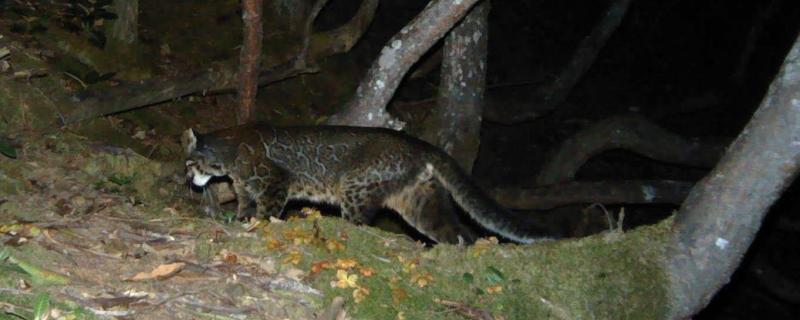
A team of the local Idu Mishmi people led by Dr Sahil Nijhawan from ZSL and UCL, placed cameras in the jungles of Dibang Valley, Arunachal Pradesh to understand the distribution of medium and large-sized mammals. Among the images, they found many pictures of differently coloured, medium sized cats—all of which were Asiatic golden cats. The study also marks the first discovery of the tightly-rosetted morph of the golden cats in the world.

Bengaluru

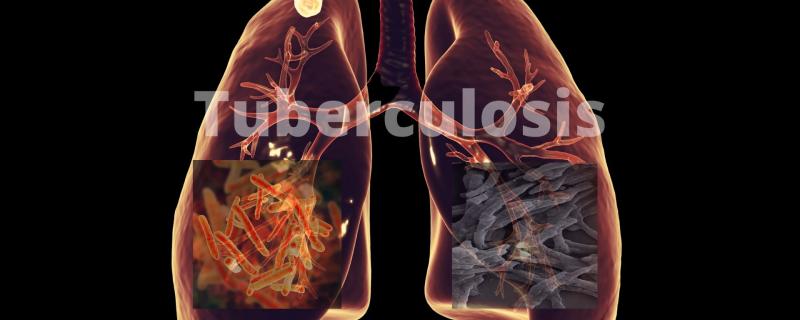
Researchers find familial dissimilarities in proteins from two species of Mycobacterium.

Bengaluru

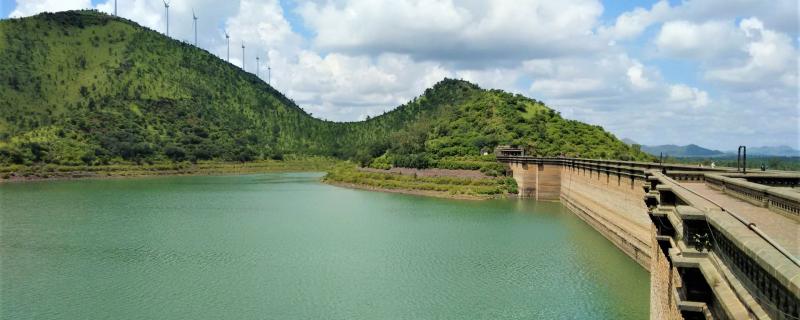
In a new study, an international team of researchers have found that large dams have heavily fragmented fish population across the world. Published in the Proceedings of the National Academy of Sciences, the study assessed about ten thousand species of fish worldwide affected by around 40,000 existing dams and 3,700 upcoming dams worldwide. The findings reveal that fish habitats are most disconnected in the United States, Europe, South Africa, India, and China. The proposed dams are poised to further worsen fish habitat connectivity in tropical watersheds like the Amazon, Congo, Mekong and Salween.

Search Research Matters