A new review reveals that rising global temperatures, increased pollution, and extreme weather events are driving a global surge in eye diseases, disproportionately affecting vulnerable communities and challenging healthcare systems.

General

Bengaluru

Human Immunodeficiency Virus (HIV) infections are one of the most severe public health problems in India, with approximately 21 lakh HIV infected people reported in 2017. Sex workers, men who have sex with men, transgender people, and people who inject drugs are at a higher risk of contracting the virus. Scientists across the world are exploring the possibility of a drug that can be taken daily to keep HIV infections at bay, which could help in reducing the spread of the disease and an overall prevalence, besides acting as a preventive measure for those under high risk. In a recent study, published in the journal Clinical Infectious Disease, researchers evaluate if such a drug can act as a preventive measure in a developing country like India. 

Bengaluru

Child mortality is a leading cause of concern in many developing countries. Lack of necessary healthcare facilities has resulted in children's death due to infectious diseases such as pneumonia, diarrhoea and other complications related to preterm birth. However, most of these diseases are avoidable with inexpensive interventions like appropriate nutrition, breastfeeding and vaccination. A recent study, led by researchers from the Johns Hopkins Bloomberg School of Public Health, USA, and involving researchers from the UK, Switzerland, Canada and India, has provided some insights into how well India has fared in reducing child mortality. The study provides estimates of child mortality at a national, regional and state level in India and is published in the journal The Lancet Global Health.

Bengaluru

The human gastrointestinal tract is inhabited by myriad microbes, which collectively form the gut microbiome. The interaction between the members of this internal 'ecosystem' can help us understand their organisation, growth, and how they react to what we eat. In summary, this tiny ecosystem in our gut determines our health. In a recent study, published in the journal Science, an international collaboration of researchers has investigated if these microbes hold a clue to the health of malnourished children.


Bengaluru

Study finds how pet dogs, shelter dogs and free-ranging dogs react to human gaze.

Bengaluru

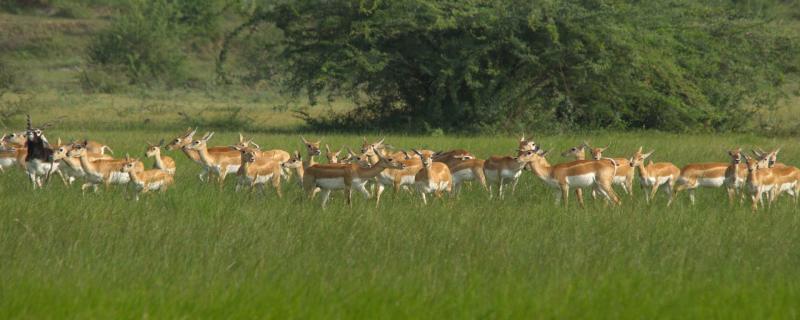
The blackbuck is an antelope species native to the Indian subcontinent. Although the term 'antelope' is loosely used to refer to many ruminating ungulates, the blackbuck is the only animal that belongs to the genus named Antilope. True antelopes belong to one of the four genera—Gazella, Nanger, Eudorcas and Antilope. Scientists are still debating the evolutionary relationships between these members. In a recent study, researchers at the Indian Institute of Science, Bengaluru, have traced the evolutionary relationships of the blackbuck (Antilope cervicapra) using phylogenetics. The study was published in the journal Molecular Phylogenetics and Evolution.

Bengaluru

One of the annoying side effects of being absorbed in a gripping novel is that the cup of tea on the table becomes cold! Unfortunately, the tea would not heat itself by absorbing the heat around it, just as pieces of a broken egg would not put themselves together or milk mixed in coffee would not separate by itself. Such things are irreversible, and define a fixed direction of time—that from the past towards the future. This apparent progression of time is called the ‘arrow of time’. In a recent study, Prof Mahendra Verma of the Indian Institute of Technology Kanpur, suggests a way, different from any previous ones,  to determine the direction in which time is progressing. He uses the concept of energy cascade to define the arrow of time.

Bengaluru

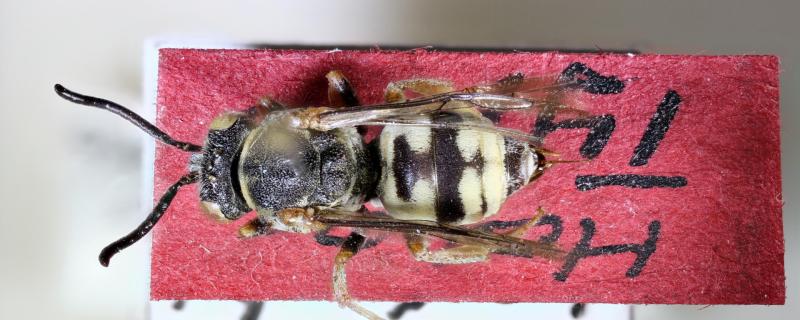
A specimen of a cuckoo bee  lay in a museum in Austria for decades before Dr Petr Bugosch took a look at it and described it as a new species, Epeolus ladakhensis. 

Chandigarh

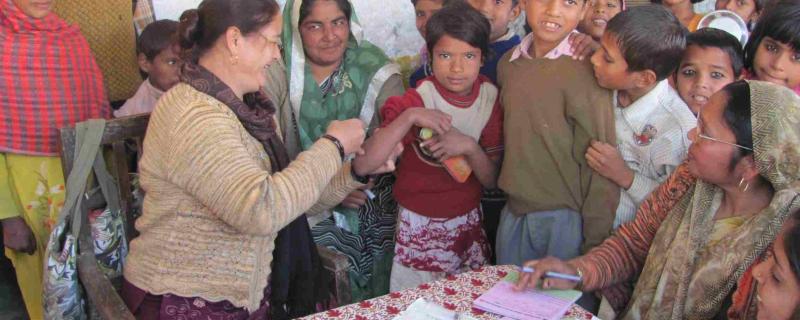
Researchers from the University of Toronto, Canada, King George’s Medical University, Lucknow, the Ministry of Health and Family Welfare, Post Graduate Institute of Medical Education and Research, Chandigarh, and the Indian Council of Medical Research have analysed the impact of the national measles immunisation campaign in India.

Bengaluru

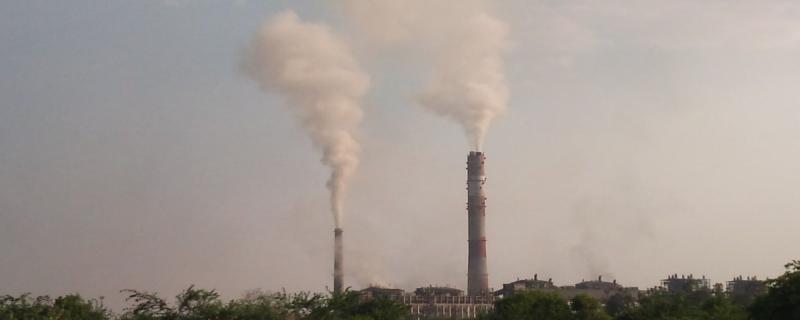
The leading cause of death in the world is not wars or famines but cardiovascular diseases, and worse still, we haven't fully understood what causes these ailments. Researchers believe it to be a mix of genetic factors, lifestyle changes, diet and environmental factors like air pollution, noise and our neighbourhood. In recent years, cases of high blood pressure and hypertension, which directly contribute to heart diseases, have increased, and those living in low and middle-income countries are the most vulnerable.  A recent study, published in the journal Epidemiology, aims to examine the associations between long-term exposure to ambient particulate air pollution, and prevalence of hypertension in adults from peri-urban India. 

Bengaluru

In a recent study, researchers from the Bangalore Baptist Hospital, Bengaluru, Zuyd University of Applied Sciences, The Netherlands and the University of Sheffield, UK, have attempted to find what ailments plagued the residents of Devarajeevanahalli.

Search Research Matters