Despite successful bans on the veterinary drug diclofenac in Nepal and parts of India, a decade-long undercover investigation reveals that toxic alternatives like flunixin and nimesulide are rapidly replacing it, posing a renewed existential threat to the region’s critically endangered vulture populations.

General

Arunachal Pradesh

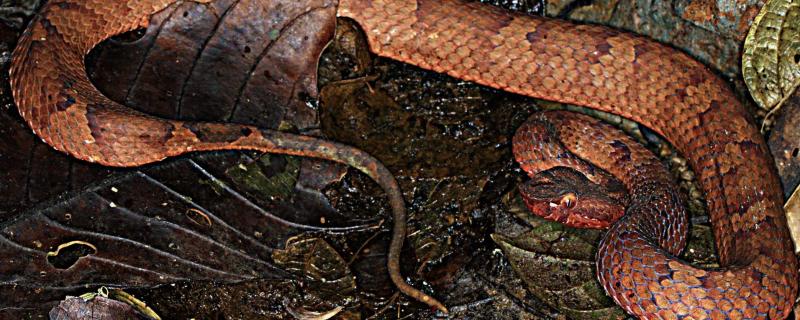
Researchers discover a new species of pitviper in Arunachal Pradesh and name it Trimeresurus arunachalensis or the Arunachal pitviper.

Bengaluru

Researchers at the Karnataka Health Promotion Trust, Bengaluru, have assessed the cost effectiveness of a self-help group program, called Parivartan, in Bihar. They studied the economics of implementing maternal health programs through self-help groups.

Bengaluru

Researchers from the KTH Royal Institute of Technology, Sweden, Bombay Natural History Society, Mumbai, Aarhus University, Denmark, ICPO ‘Biologists for Nature Conservation’, Russia and the University of Washington, USA, have reported the effect of urbanisation on the diversity of birds.

Bengaluru

Researchers from IISc, Bengaluru, have designed a smartphone-based therapy and hearing aid.

Himachal Pradesh

Forests, with their rich biodiversity, play a critical role not only in the ecology of a region but also in social systems that involve humans. Researchers from the University of Illinois, USA, used artificial intelligence to evaluate the forest management policies in Himachal Pradesh, India.

Today, a majority of us are glued to our smartphones. In the midst of swiping and scrolling through our social media applications, little would we know about an entire community that exists right at the tip of our fingers -- the social community of bacteria on our screen that is a ‘social network’ on its own!

Bengaluru

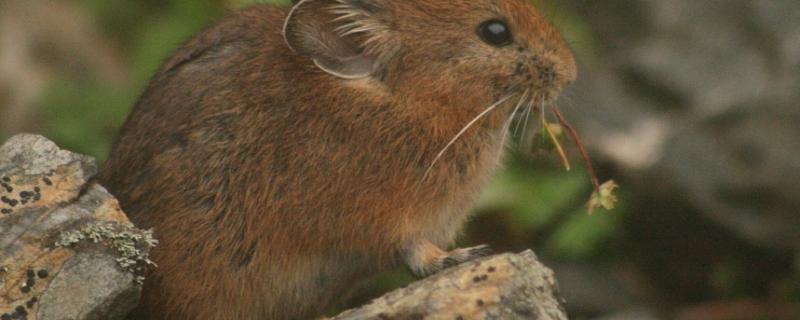
Researchers from IISc have found evidence that climate change is threatening the mountain-dwelling Royle’s pika.

Bengaluru

A conversation with Deccan Herald, Prof Rajaram Nityananda, a well-known Indian physicist who is now a Professor at the Azim Premji University, Bengaluru, sheds some light on how scientists captured the image of a black hole and the role of radio astronomy in this achievement.

Delhi

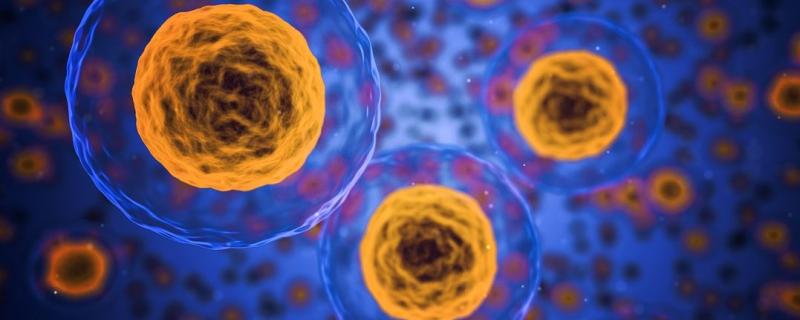
Researchers from IIT and IIIT Delhi design an algorithm to find rare cells 


Physics lessons in school taught us that light is electromagnetic radiation, where electric and magnetic fields oscillate in harmony and travel perpendicular to one another. Over centuries, the properties of light have led to the greatest discoveries—from far-away galaxies to understanding the structure of atoms. What if we put the light rays to do some mechanical work? That’s what optical tweezers—scientific instruments used to manipulate microscopic objects—do!

Search Research Matters