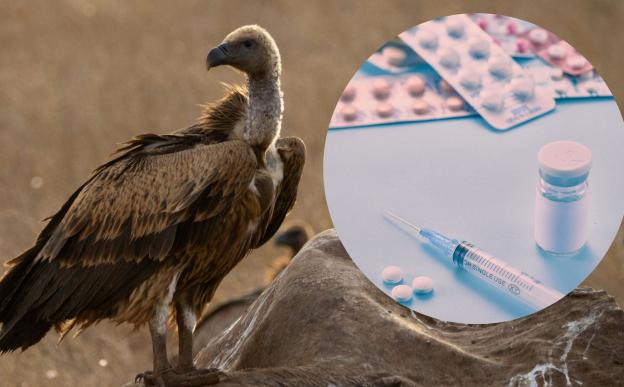
Despite successful bans on the veterinary drug diclofenac in Nepal and parts of India, a decade-long undercover investigation reveals that toxic alternatives like flunixin and nimesulide are rapidly replacing it, posing a renewed existential threat to the region’s critically endangered vulture populations.

Science

Kharagpur

Scientists from Indian Institute of Technology Kharagpur (IIT Kgp) and GLA University, Mathura have developed a novel, low power humidity sensor using molybdenum disulphide nanoflakes and platinum nanocrystals.
Delhi

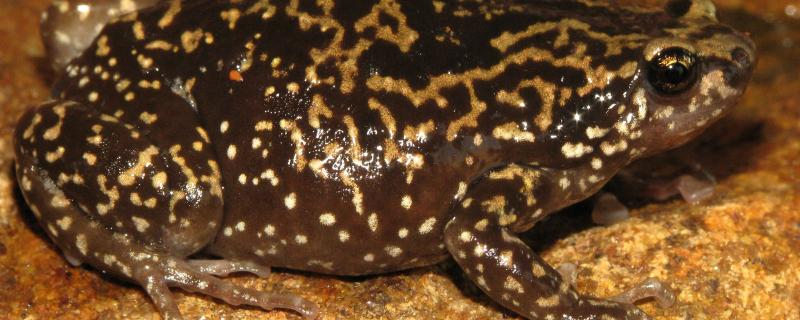
The Western Ghats in India and Sri Lanka are well known biodiversity hotspots, with a rich diversity of amphibian species. Both these regions have high density of amphibian endemism, which means that many of the species of amphibians found here are found nowhere else on Earth. Over 85% of amphibian species found in Sri Lanka are endemic, making this island nation have the highest amphibian endemism in Asia.

Bengaluru

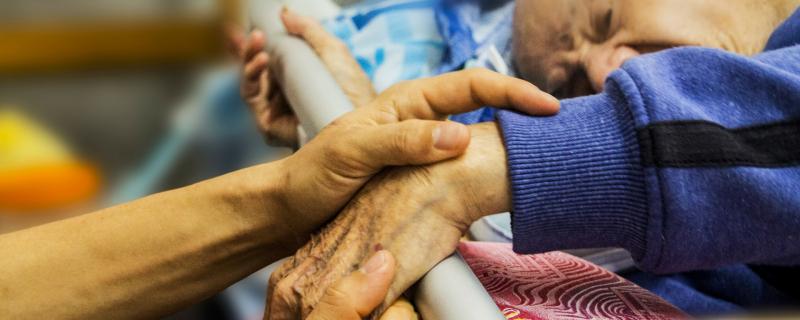
Alzheimer's affects a large section of our aged population. Scientists from the Indian Institute of Science, Bangalore, shed some light on how the disease can be identified in its early stages. 

Bengaluru

A new study conducted by Pallavi Sinha and group from Institute of Medical Sciences, Banaras Hindu University and Boston Medical Centre has concluded that behavioral factors, like alcohol consumption and smoking, and clinical factors, like previous anti tubercular treatment, increases the risk of multi-drug resistant TB (MDR-TB).

Mumbai

For the first time ever, scientists from the Tata Institute of Fundamental Research (TIFR), Mumbai, Indian Institute of Science, Bengaluru, and Indian Institute of Science, Education and Research, Pune uncover the process of transport of fats in the body.

Bengaluru

Rampant sand mining over the decades in India and many parts Asia has led to eroding coastlines and degraded waterways in much of the continent. Christina Larson, a journalist from Kihim, India has looked the severe ecological damage caused by unbridled epidemic of illegal sand mining.

Bengaluru

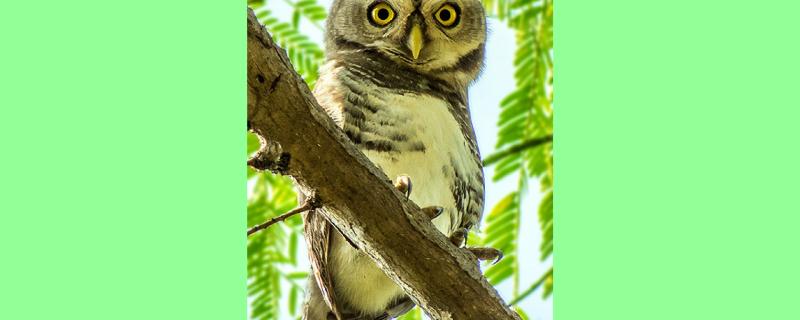
The forest owlet (Heteroglaux blewitti), an owl endemic to the forests of Central India, has been the centre of a century-old debate among ornithologists. Its classification into the particular genera is at the stem of this debate. Now, a new study by researchers, involving genetic analysis of the owl’s genome, may put an end to this debate forever.

Have you ever received an electric shock while operating everyday electronic devices?  Ever wondered why? One of the most probable reasons could be faulty earthing.

The term earthing is not as intriguing as it sounds, for it does in fact involve a connection to the earth. It is a safety installation, which involves connecting the non-electricity carrying part of an electrical system to the mass of the earth so that any electrical energy that gets built up in this part is discharged to the ground.

Delhi

Tuberculosis(TB) has claimed 1.8 million human lives globally according to World Health Organization, in 2015. Despite Bacillus Calmette-Guerin (BCG) vaccine, the only available vaccine for TB, currently one-third of the world is latently infected with TB due to the incompetence of BCG in adults against Mycobacterium tuberculosis, the bacteria responsible for TB.

Chennai

Researchers from Anna University, Chennai use a microwave-based remote sensing technique to assess changes in Kolkata’s land subsidence for the years 2003, 2007 and 2011. Their resuls indicate that the city might in fact be slowly sinking.

Search Research Matters