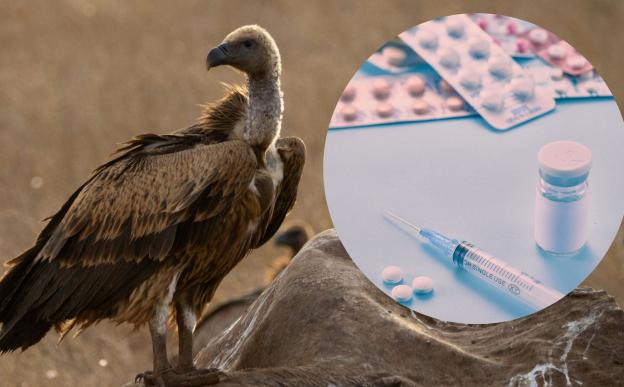
Despite successful bans on the veterinary drug diclofenac in Nepal and parts of India, a decade-long undercover investigation reveals that toxic alternatives like flunixin and nimesulide are rapidly replacing it, posing a renewed existential threat to the region’s critically endangered vulture populations.

Science

Amsterdam

New data gathered by researchers from University of Amsterdam (UvA), over a period of several years from slums across Bengaluru could help in understanding and tackling poverty in India.
Bengaluru

Earlier this month, we erred. Among the 1000+ articles published on Research Matters, it was the first for us. An alert reader expressed displeasure on Twitter with a hashtag #fakescience on one of our stories. Alarmed, we investigated to note that the story was based on a research paper published in a journal listed as ‘predatory’, and with that, found a lot more about the prevalence of ‘predatory’ journals that hound the world of science.

Wormholes are the stuff of sci-fiction, which transport space travellers through cosmic distances in minutes! But, is this really possible?

Bengaluru

Science in India is in interesting times. We have some of the best scientists producing world-class research working in a host of institutions within India that are largely public funded. A large scientific workforce complimented by a promising younger generation – that is often dubbed to be our demographic dividend. A learned and competent scientific administration fighting tooth and nail for increased budgetary allocations to invest in science.

Bengaluru

In an interdisciplinary study, scientists from the Indian Institute of Science, Bangalore, display how the use of nanotechnologies can be useful in treatment of cancer.

Gandhinagar

Scientists from the Central University of Gujarat (CUG), Gandhinagar, use computers to design the most efficient drug against TB. They apply pharmacophore modelling approach to understand the interactions between proteins found in Mycobacterium tuberculosis (Mtb) and the compounds which can suppress the bacteria. 

New Delhi

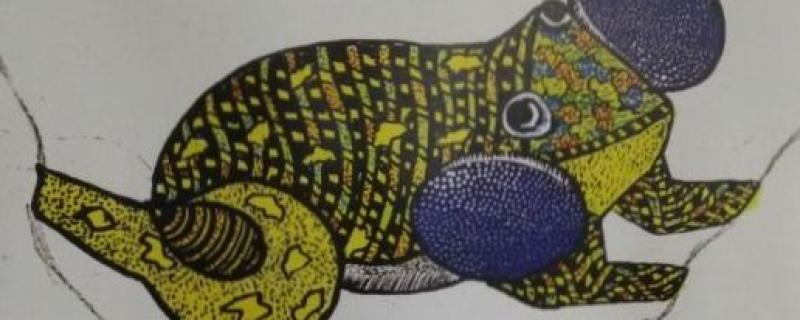
FrogFest is a unique exhibition held at the World Wildlife Fund (WWF) office at New Delhi showcasing frogs in art and in nature. It showcases around 500 frog artefacts with a spotlight on the need for conservation of the amphibians.

Pilani

Scientists from Birla Institute of Technology, Pilani, uncover the mechanism behind how plants tolerate and grow in soils with high salt content. The study also explore the role of the bacteria Enterobacter cloacae, which is a known plant growth promoting rhizobacteria.

Thiruvananthapuram

Scientists from Indian Institute of Space Science and Technology (IIST), Thiruvananthapuram have possibly designed the first sustainable molecular keypad lock, which can also be used as a sensor of a poisonous pesticide.

Vadodara

The Young Ecologists Talk and Interact (YETI) conference is underway at the Maharaja Saiyajirao University in Vadodara—commonly referred to as the cultural capital of Gujarat. The four-day conference, commencing on the 22nd of January and concluding on the 25th of January, 2018, gives early career ecologists an opportunity to interact with like-minded students from across the country to exchange ideas and collaborate.

Search Research Matters