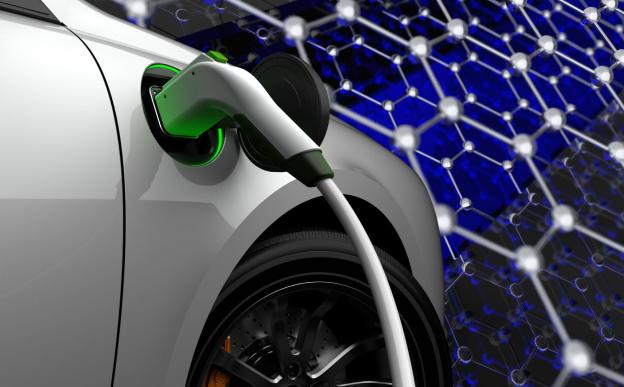
Research reveals that graphene-enhanced batteries can slash electric vehicle charging times by up to 27% while cutting battery weight by more than half, potentially solving the biggest hurdles to green transportation.

Deep-dive

Bengaluru

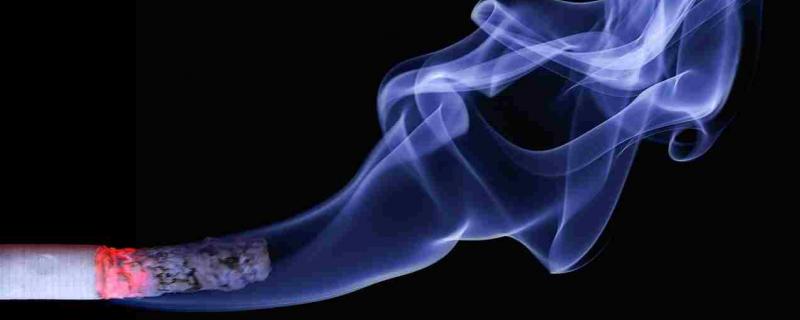
An international collaboration of researchers have studied the trends in tobacco use in China, Japan, South Korea, Singapore, Taiwan and India. The study, which included a million participants, is a meta-analysis of 20 cohort studies in these countries that collected data on tobacco habits from representative individuals above 35 years of age. The results reveal region–specific tobacco smoking patterns and the resulting mortality.
Bengaluru

A team of Indian scientists, working with collaborators from Singapore, Australia and France, have shown how clusters of circulating tumour cells—cancer cells that have sloughed off the tumour and are circulating in the blood—could help monitor the response to cancer treatments and predict a patient's survival chances using a simple blood test. 

Bengaluru

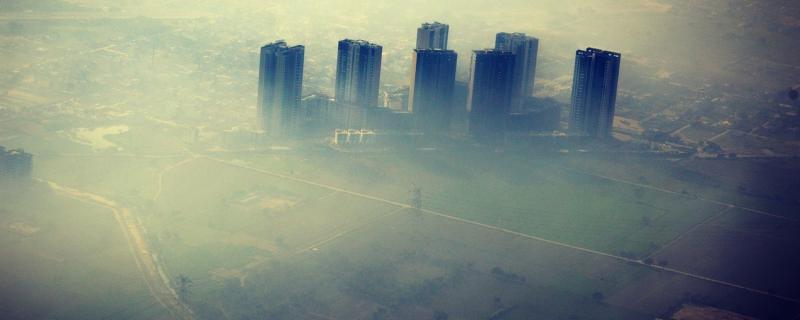
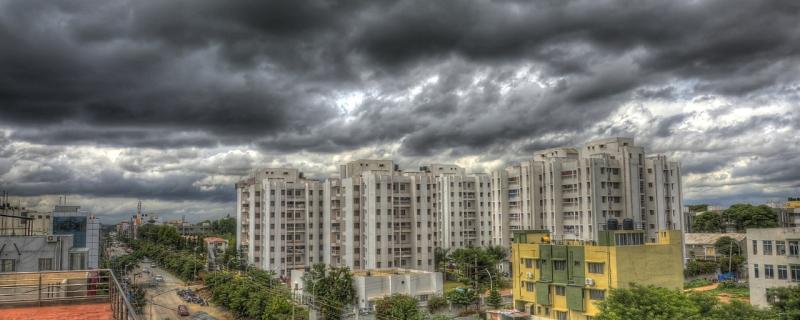
Researchers from the Desert Research Institute, USA and Urban Emissions, New Delhi, India, have investigated the emission levels of multiple pollutants in twenty Indian cities, other than Delhi.

Bengaluru

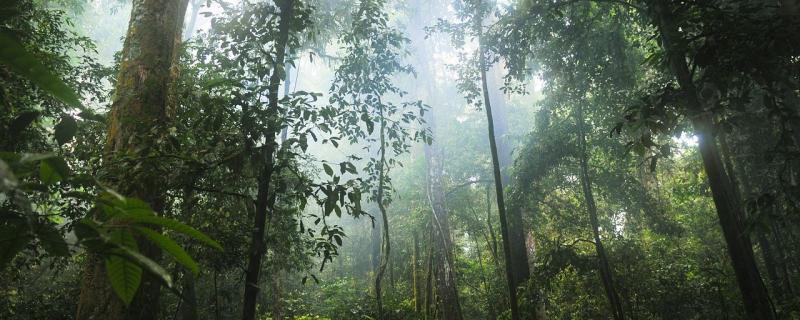
Researchers from Gubbi Labs, Bengaluru and ATREE, Bengaluru, have archived the regeneration of forests across an eleven year timespan in the Kalakkad Mundanthurai Tiger Reserve, Tamil Nadu.

Bengaluru

Researchers from IISc, Bengaluru, have investigated whether renewable energy sources and their large-scale integration into the electricity grid can help transition our electricity system into a ‘clean energy’ system.

Bhubaneswar

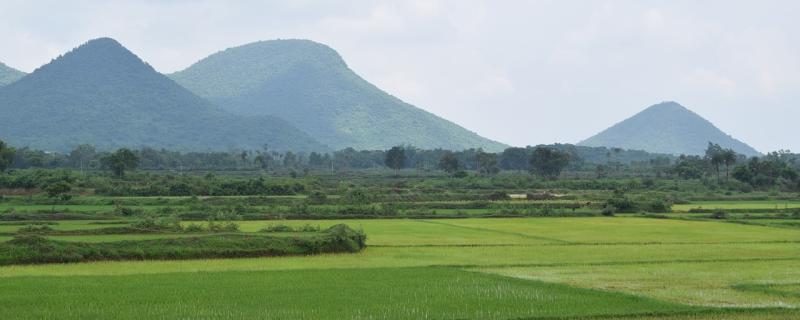
Researchers at the Indian Institute of Technology Bhubaneswar,  Indian Institute of Technology Kharagpur, and the University of Southampton, UK have tried to understand the effects of changes in land use and land cover on regional temperatures in Odisha, which frequently experiences heatwave, cyclones, droughts and floods.

Kerala

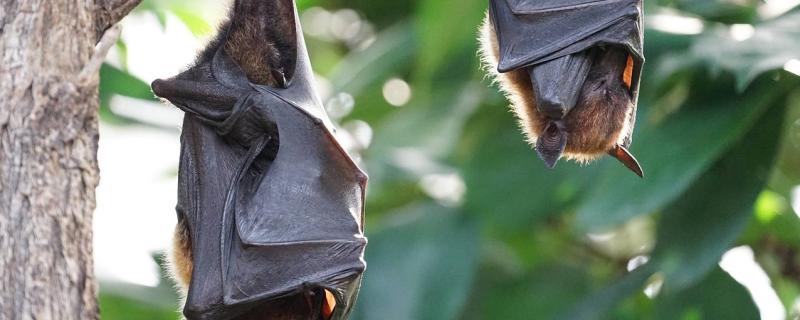
Researchers use a data-driven approach to identify bat species that could be carriers of the Nipah virus in Kerala.

Bengaluru

The walls were as quiet as ever. Warmth and protection radiated from them, but all went in vain against Ourelia’s boredom. She had been counting the days, as patiently as someone could, for the past 14 years. Every day presented the meticulous, yet mechanically planned, cellular routine in the same way. She would tend to the daily tasks by nibbling on the required nutrients and oxygen. She would then move on to cook some much-needed proteins and try to find some fun in watching the machine churn out strings of amino-acids.

Pune

Researchers from Agharkar Research Institute, Pune, Savitribai Phule Pune University, MES College of Arts, Commerce and Science, Bengaluru and the Centre for medicinal Plants Research, Kerala have described a new species of pipewort from the Western Ghats. They have named the new species Eriocaulon karaavalense, after the Kannada work karaavali (ಕರಾವಳಿ), which translates to ‘the coast’.

Bengaluru

Researchers from China, USA and UK, shed light on the formation and evolution of the Asia-Africa-Australia monsoon and arid regions. They also looked at the factors that controlled them during the Cenozoic Era.

Search Research Matters